


Плавлені цеглини AZS
Fused AZS bricks are high-density alumina–zirconia–silica refractory materials produced by electric arc fusion. They are used in selected glass-contact zones. Suitability and service life depend on AZS grade, glass chemistry, operating temperature, furnace area, and installation conditions; review product data before selection.
-
33-41%
ZrO2 (клас AZS)
-
≤15%
SiO2
-
3.80–4.05 г/см³
Об'ємна щільність
-
70-80 MPa
Міцність на холодне роздавлювання

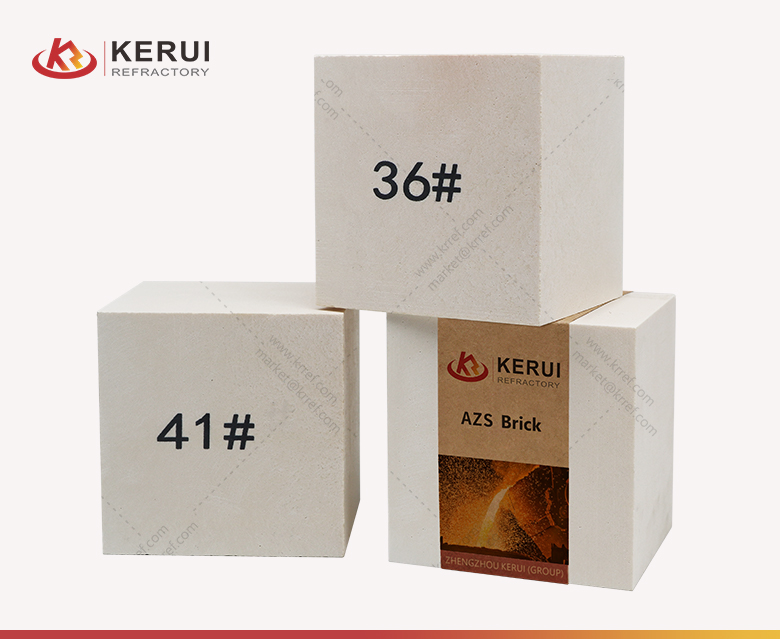
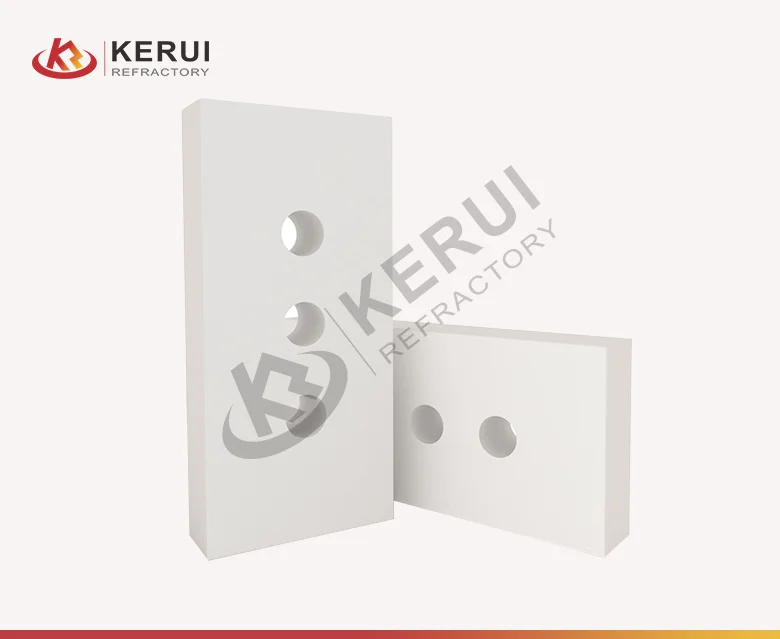
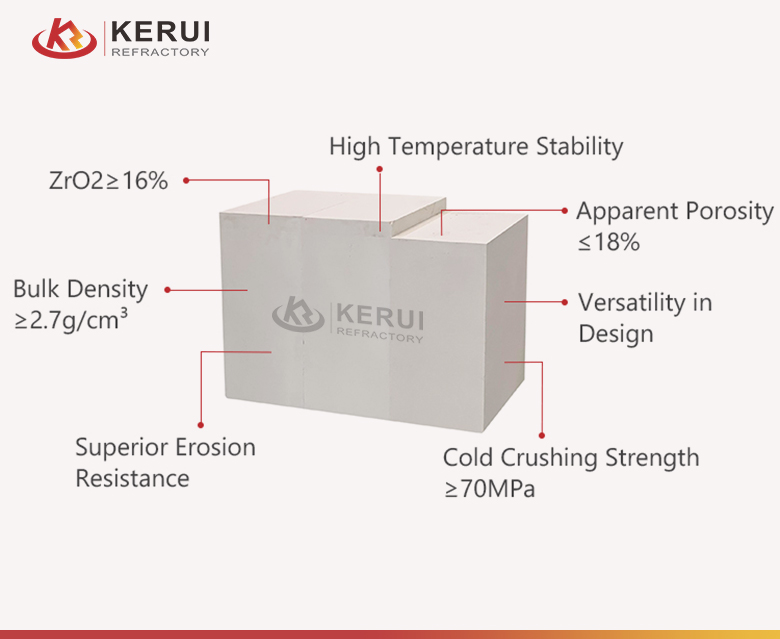

Що таке плавлені цеглини AZS?
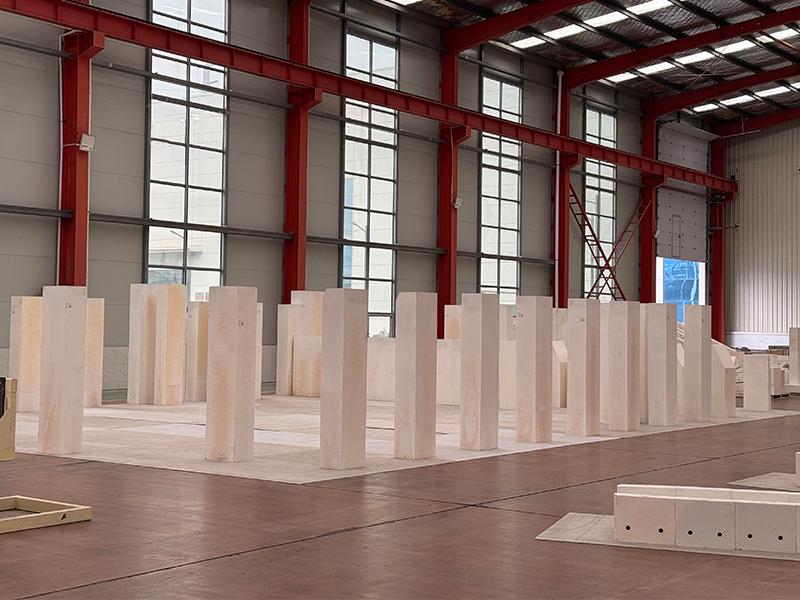
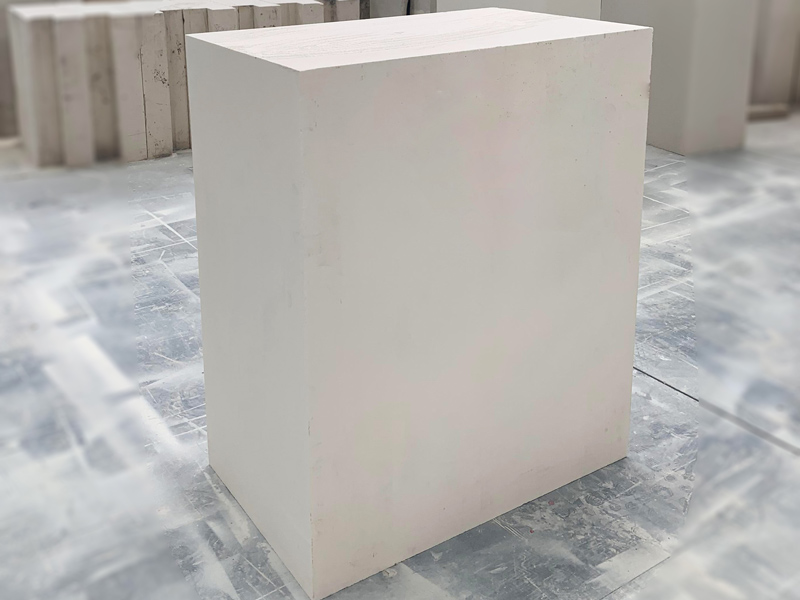
Fused-cast AZS bricks are made by melting an alumina–zirconia–silica batch, then casting and annealing the blocks. Their crystalline phases in a glassy matrix form a dense glass-contact material. Corrosion behavior varies by AZS grade and glass composition; refractory interaction can contribute to glass defects over time. Select a grade using the product data and the furnace’s glass chemistry and operating conditions.
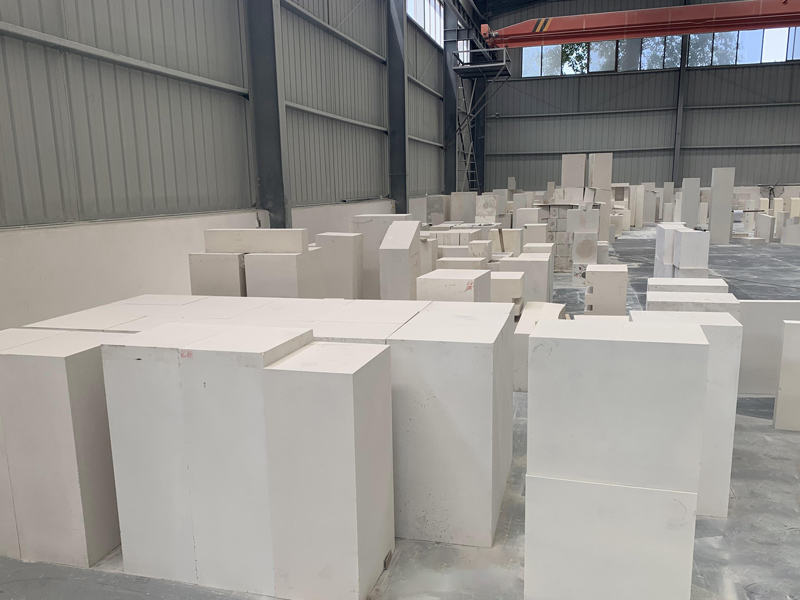
Основні властивості плавленої цегли AZS
Fused-cast AZS brick is selected for glass-furnace areas that require resistance to molten-glass corrosion. Performance and service interval depend on grade, glass composition, temperature, and furnace design. Review technical data for the target zone.
| Grade | Al₂O₃ (%) | ZrO₂ (%) | SiO₂ (%) | Склофаза (%) | Максимальна робоча температура |
|---|---|---|---|---|---|
| АЗС 33 | 32-35 | 32-35 | 14-17 | 18-22 | 1700-1750 ° С |
| АЗС 36 | 47-50 | 32-35 | 13-15 | 15-18 | 1750-1780 ° С |
| АЗС 41 | 45-48 | 40-42 | 11-13 | 10-13 | 1780-1850 ° С |
Corrosion resistance varies by AZS composition and glass chemistry. Request test data relevant to your glass type and operating range.
Campaign life depends on grade, glass chemistry, furnace conditions, block quality, and installation. Confirm expected performance with project-specific data.
Fused-cast AZS blocks have a dense structure, but porosity and microstructure vary by grade and production. Request the relevant product data for your application.
Thermal-cycling performance and operating limits are grade- and design-specific. Confirm the technical data and installation requirements before use.
Застосування у скловарних печах
Applications depend on furnace design and grade. Glass-contact sidewalls, throats, working ends, and forehearth areas may be evaluated; confirm suitability for the specific zone and glass composition.


Дізнайтеся повну систему скловарної печі →
Захист якості скла
AZS corrosion or glass-phase exudation can contribute to stones, bubbles, cords, or other defects in glass. Grade selection, product quality, glass composition, and furnace operation all affect this risk; an AZS block cannot guarantee defect-free glass. Review grade-specific performance data for the glass and furnace conditions.
Refractory erosion can contribute solid inclusions to molten glass. Use glass-specific corrosion data and furnace operating conditions when evaluating an AZS grade.
Reactions, exudation, and pores in fused-cast refractories can contribute to bubbles under some conditions. Assess the grade and glass interaction data; do not assume the block will prevent bubbles.
Glass flow and defect behavior depend on furnace design, glass composition, and operating conditions. Grade selection alone cannot ensure defect-free production.
Продовження терміну служби печі
Fused-cast AZS is specified in selected glass-contact zones for its grade-specific corrosion performance. Campaign life and maintenance intervals depend on glass chemistry, temperature, furnace design, installation, and operation. AZS is used with other вогнетривкі матеріали as part of a complete lining design.
The service interval depends on the AZS grade, glass chemistry, furnace conditions, and installation. Request performance data for the target zone.
Inspection and wear data can help plan maintenance. Downtime depends on the full furnace operation and lining condition; a material choice cannot guarantee fewer shutdowns.
Monitor lining condition against the selected grade’s limits and the furnace maintenance plan. Long-term performance varies with service conditions.
Thermal Performance & Lining Design
Thermal conductivity and heat loss depend on AZS grade, wall construction, backup materials, and furnace operation. Evaluate the complete lining design using grade-specific data; do not assume AZS alone will reduce fuel use or heat loss.
AZS provides glass-contact refractory performance. The backup layers and overall lining design provide thermal insulation.
Thermal conductivity and temperature profiles depend on grade, temperature, thickness, and surrounding materials. Request technical data for design calculations.
Evaluate fuel use against the full furnace thermal balance and operating data; do not attribute energy savings to AZS blocks alone.
Безпека печі та захист конструкцій
Furnace design, installation, inspection, and operation all affect lining integrity. Fused-cast AZS may be specified in selected glass-contact zones, but corrosion and leakage risks remain dependent on grade and service conditions. Confirm the material and installation design for the project.
AZS may be specified for corrosion resistance in selected glass-contact zones. Correct grade, installation, inspection, and operating conditions all affect lining integrity; no material can guarantee against leakage.
Thermal cycling, block joints, mechanical stress, and glass chemistry affect lining condition. Follow the project installation specification and inspection plan.
Regular inspection and project-specific maintenance planning help manage refractory risks. Material selection cannot eliminate the possibility of an emergency shutdown.
Виробничий процес
1. Сировина → 2. Автоматичне дозування → 3. Електродугове плавлення → 4. Рафінування розплаву → 5. Лиття → 6. Контрольований відпал → 7. Прецизійна обробка → 8. Внутрішній контроль → 9. Контроль якості → 10. Упаковка → 11. Зберігання → 12. Доставка по всьому світу
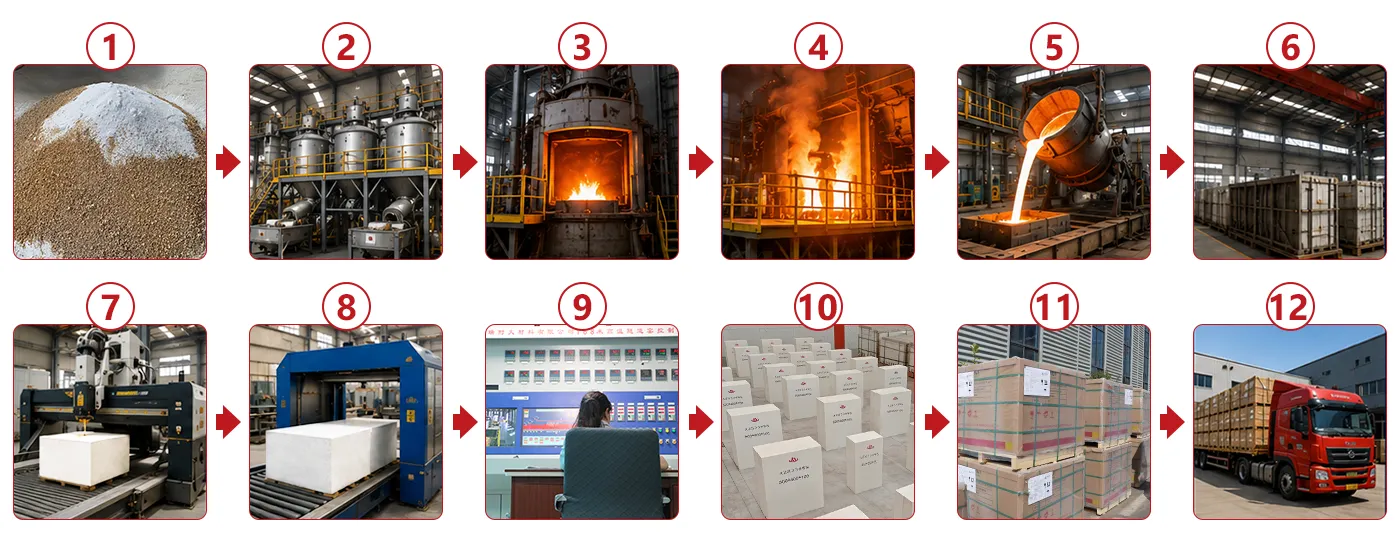
Стабільність якості
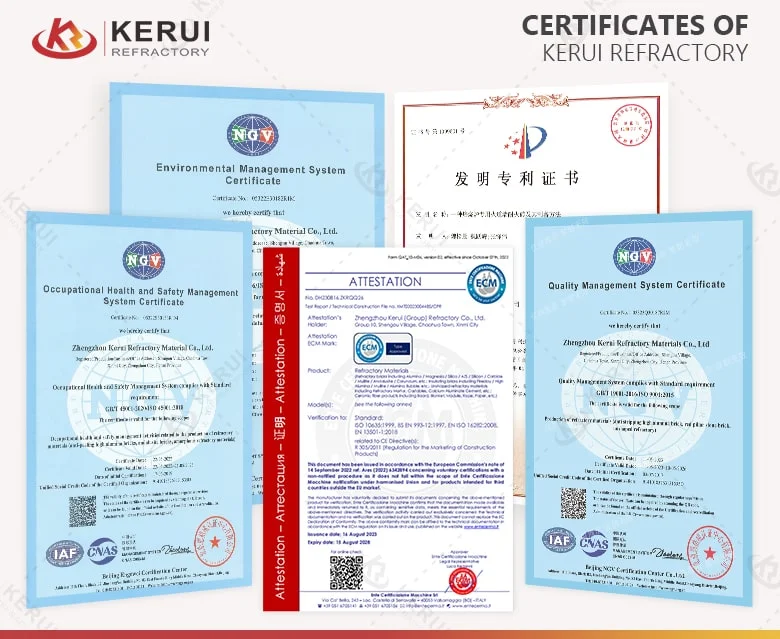
Product quality depends on raw materials, fusion, casting, annealing, machining, and inspection. Ask Kerui for available grade- and batch-specific inspection records and confirm the acceptance criteria for your order.
Ask for the grade-specific chemical composition and applicable raw-material acceptance criteria.
Electric fusion and casting form the fused AZS structure. Batch chemistry and casting practice affect its microstructure and performance; review the relevant product data.
Annealing conditions are set for the block design. Review the inspection data and handling requirements for the selected grade.
Request the available inspection report for dimensions, density, and other agreed acceptance criteria.
Чому вибрати Kerui
At Kerui Refractory, ми постачаємо високопродуктивні плавлені цеглини AZS для листового скла, тарного скла та спеціальних скловарних печей. Наша продукція призначена для роботи з повним спектром вогнетривких матеріалів, включаючи ізоляційну цеглу, силікатну цеглу, та монолітні вогнетриви, що забезпечують комплексні рішення для футеровки печей для сучасного виробництва скла.
Сучасні лінії виробництва вогнетривких матеріалів методом плавлення забезпечують стабільну якість, однакову мікроструктуру та великі виробничі потужності. Наш контрольований процес плавлення та лиття забезпечує надійну роботу для вимогливих скловарних печей та промислових застосувань за високих температур.
Досвідчені інженери з вогнетривів надають повну технічну підтримку, включаючи вибір матеріалів, рекомендації щодо проектування футерівки печі та рішення для конкретних застосувань, щоб оптимізувати теплову ефективність та термін служби промислових печей.
Наші вогнетривкі вироби постачаються до понад 50 країн світу, обслуговуючи скляну, металургійну та високотемпературну обробну промисловість, маючи стабільну логістику, досвід експорту та підтримку поставок на основі проектів.
Ask for available quality records and confirm which inspection items and standards apply to the grade and order.


