Essential Preparation for Refractory Cement Projects
Successful refractory work begins with careful preparation. First, select the cement grade that matches your maximum operating temperature and thermal cycling requirements. Gather all necessary tools, including clean mixing containers, calibrated scales, trowels, and personal protective equipment. In addition, ensure your workspace stays between 10–30°C and avoid direct sunlight or strong wind to prevent premature setting or curing problems.
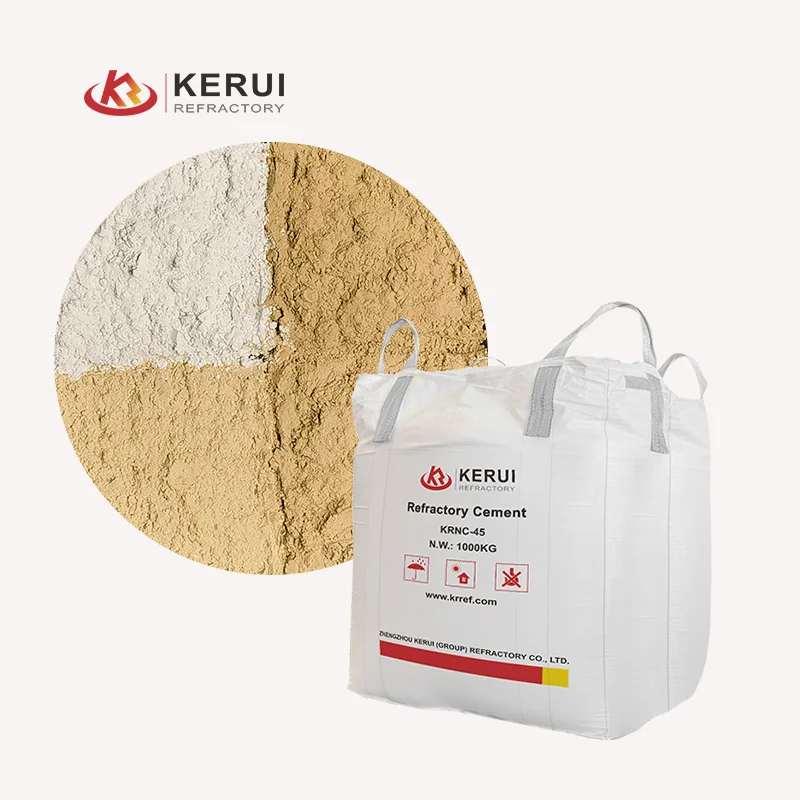
Step 1 — Material Selection and Measurement
Choose the correct refractory cement type based on your thermal requirements, and always consult the manufacturer’s technical data sheet (TDS) for precise instructions. Measure both cement and water with calibrated equipment; even small deviations can affect strength and durability. For most high-alumina cements, maintain a water-to-cement ratio between 0.35–0.45 unless otherwise specified. Finally, record each batch for traceability and quality control.
Step 2 — Precision Mixing Techniques
Begin by pouring about 70% of the recommended water into your mixing container. Slowly add dry cement while mixing using a mechanical mixer or a suitable hand-held mixing tool to ensure even particle dispersion and prevent lumps. Then, add the remaining water in small increments until you achieve a smooth, homogeneous consistency that holds shape, neither crumbly nor overly fluid. In practice, mix times and speeds may vary depending on the product, so always refer to the TDS.
Step 3 — Expert Application Methods
Apply the mixed cement within 20–30 minutes of initial water contact. For vertical surfaces, apply in layers of appropriate thickness as recommended by the product specification, generally not exceeding 50 mm per layer. Moreover, compact each layer thoroughly; use vibration for dense castables, while lightweight or insulating types may only require gentle tamping. These steps eliminate air pockets and ensure maximum density and bonding.
Step 4 — Optimal Curing Protocol
Begin controlled curing immediately after application. For best results:
- Maintain a humid environment for at least 24 hours using plastic sheets or damp coverings.
- Gradually reduce humidity over the next 48 hours, avoiding direct drafts.
- During initial heat-up, increase temperature slowly — typically below 25°C per hour for dense linings — to minimize thermal shock and prevent cracking.
By following these guidelines, residual moisture is removed carefully, and the cement matrix stabilizes before full operational temperatures.
Advanced Tips for Superior Results
- Monitor ambient temperature and humidity, as they directly affect working time and final strength.
- Consider adding specialized aggregates to improve thermal-shock resistance when required.
- Run a small test batch when using a new material supply or changed mix ratio.
- Keep detailed records of each batch and curing profile for quality control and troubleshooting.
- In field applications, always check setting time and workability before large-scale application.
Ensuring Long-Term Performance
Attention to detail at every stage — selection, precise measurement, correct mixing, careful application, and controlled curing — determines the final installation’s durability. Therefore, following these professional guidelines and leveraging technical support from Kerui Refractory ensures refractory cement installations perform reliably in demanding high-temperature environments.


