
Kerui ceramic fiber products provide lightweight thermal insulation for high-temperature applications. Selected grades have classification temperatures up to 1,600 °C (2,912 °F), making them suitable for a range of industrial uses. Kerui supplies products for different operating conditions.
Ceramic Fiber Products and Related Insulation Materials

- Al₂O₃ ≥ (%): 35-52
- Bulk Density (kg/m³): 64-128
- Shot Content ≤(%): 12-15
- Classification Temperature (°C): 1260-1430
- Industrial kiln linings
- Insulation for high-temperature tubes
- Fire protection for high-temperature equipment
- Raw material for ceramic fiber modules

- Al₂O₃ ≥ (%): 35-52
- Bulk Density (kg/m³): 160-220
- Classification Temperature (°C): 1260-1430
- Permanent Linear Change ≤(%): 2.5-3.0
- Petrochemical industry: ethylene cracking furnace, reforming furnace, hydrogenation furnace, hydrogen production furnace.
- Steel industry: continuous annealing furnaces, blast furnaces, hot-blast stoves, converters, and flues.
- Electric power industry: waste heat boilers, tubular boiler doors, hot air ducts
- Ceramic industry: trolley kilns, roller-hearth kilns, and shuttle kilns

- Modulus of Rupture ≥ (MPa): 0.3
- Bulk Density (kg/m³): 250-360
- Classification Temperature (°C): 1260-1430
- Loss on Ignition ≤ (%): 6
- Metallurgical industry: back-up insulation, insulation boards, and mold insulation
- Non-ferrous metals industry: back-up insulation for tundishes and electrolytic cells
- Ceramic industry: lightweight kiln-car structures, hot-face linings, insulation between kiln zones, and fire protection
- Glass industry: back-up insulation for melting furnaces and prefabricated burner blocks
- Petrochemical industry: hot surface materials for lining high-temperature heating furnaces
- Molds for forming value-added glass products, such as decorative glassware

- Bulk Density (kg/m³): 200-240
- Classification Temperature (°C): 1260-1350
- Tensile Strength (MPa): 0.4-0.7
- Thickness (mm): 0.5-6.4
- Instrumentation and equipment, including insulation for electric heating elements
- Expansion joint filling material
- Thermal insulation for the automotive, construction, metallurgical, and glass industries
- Molten-metal sealing
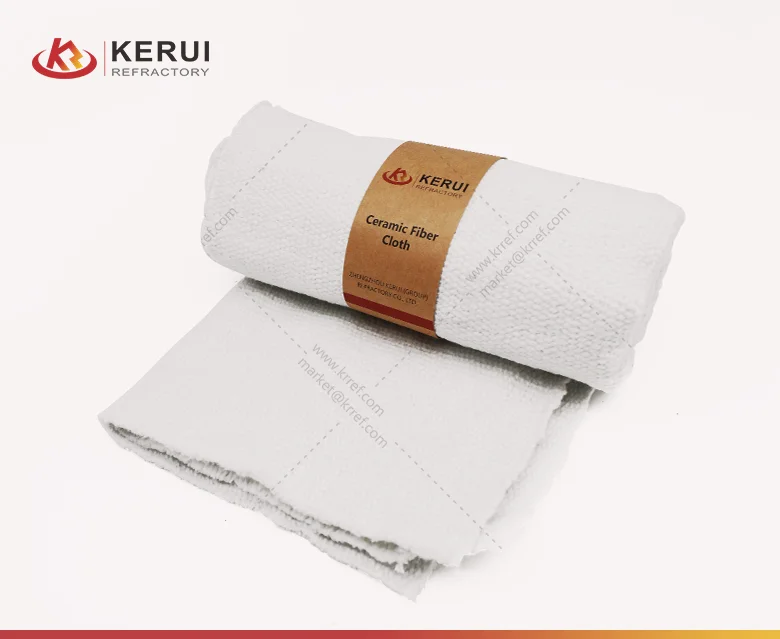
- Color: White
- Organic Content ≤(%): 15
- Bulk Density (kg/m³): 500
- Continuous Use Temperature Limit (°C): 650-1000
- Insulation and sealing for industrial kilns and flues
- Filling material for flexible expansion joints
- Sealing for heat exchangers, valves, pumps, and kiln cars
- Protective covering for high-temperature insulated wires and cables

- Bulk Density (kg/m³): 380-500
- Continuous Use Temperature Limit (°C): 650-1000
- Organic Content ≤(%): 15
- Reinforcement: Glass Fiber/Stainless Steel
- High-temperature pipe insulation and sealing
- Cable insulation and protection
- Sealing kiln openings, masonry joints, and furnace doors
- Flexible expansion joint filler

- Bulk Density (kg/m³): 100-300
- Service Temperature (°C): 1000-1260
- Color: White
- Shot Content %(Φ>0.25mm): 11-13.6
- Glass industry, including float glass, flat glass, display glass, and everyday glassware
- Biomass power generation furnaces
- Non-ferrous metal furnaces
- Coking and carbon black industries

- Al₂O₃ ≥ (%): 35-52
- SiO₂ ≥ (%): 47-55
- Classification Temperature (°C): 1260–1430
- Shot Content ≤(%):12-15
- Electric power and petrochemical pipeline insulation
- Industrial kiln wall backings
- Ceramic fiber module processing materials
- Fire-resistant shutters and sound-insulation materials
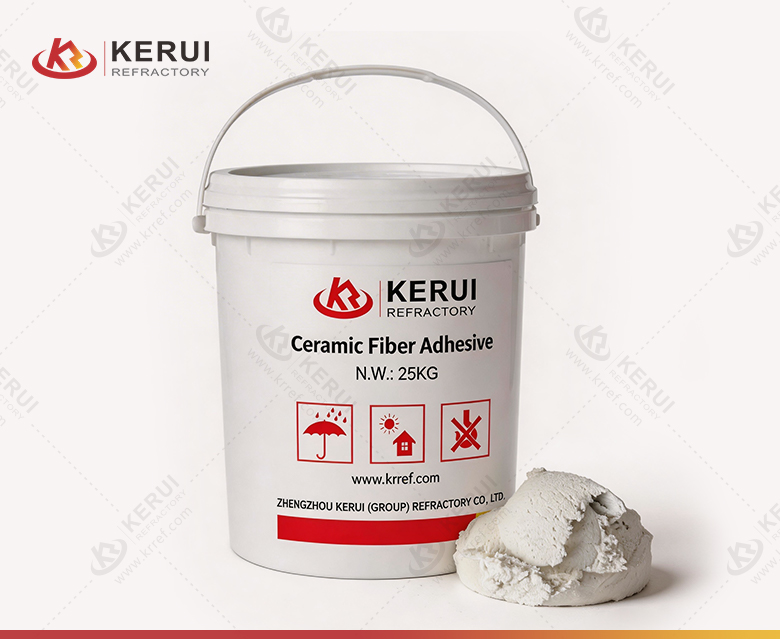
- Al₂O₃ ≥ (%): 22-35.4
- SiO₂ ≥ (%): 40-76
- Classification Temperature (°C):1000-1400
- Color: White/Off-white
- Bonding ceramic fiber blankets, boards, and modules
- Fixing insulation materials to furnace shells and refractory linings
- Sealing joints and gaps in ceramic fiber lining systems
- Repair and maintenance of high-temperature insulation layers

- SiO₂ (%): 46-48
- CaO (%): 39-41
- Bulk Density (kg/m³): 230-270±10%
- Maximum Use Temperature (°C): 1000
- Expansion joints and mold insulation
- Thermal insulation of tundish and chute cover
- Linings for combustion in industrial and domestic boilers
- Kiln temperature zone separation and fire protection
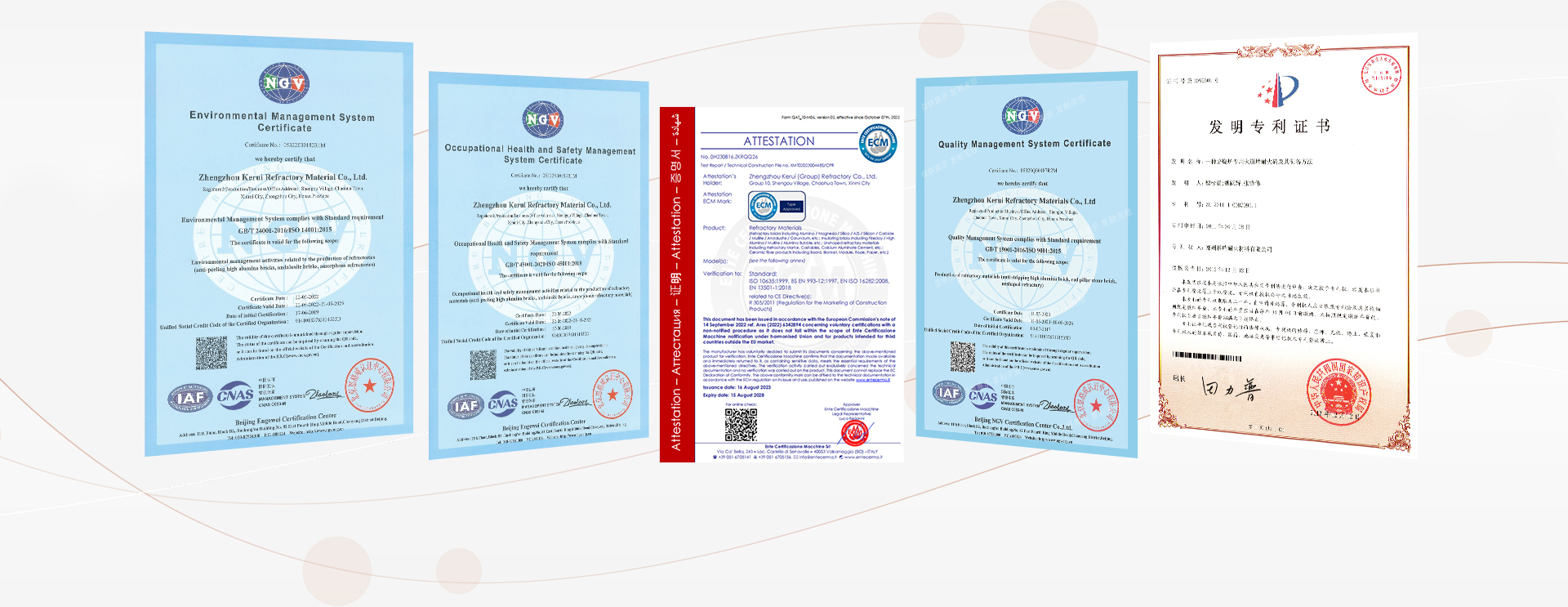
Certificates of Kerui Ceramic Fiber Products
Kerui’s ceramic fiber insulation products hold ISO, CE, and SGS certifications that support their quality and performance. Recognition from the refractory industry and local government further reflects Kerui’s experience as a ceramic fiber insulation supplier.
Brief Introduction to Ceramic Fiber Products
Kerui manufactures ceramic fiber insulation products from high-purity alumina and silica using high-temperature melting and fiber-forming processes. The resulting fibers are white, odorless, flexible, and thermally insulating. Kerui offers several product forms for different applications and operating conditions.
Ceramic fiber products are also known as aluminosilicate fiber products. For other high-temperature insulation needs, Kerui offers calcium silicate insulation boards.
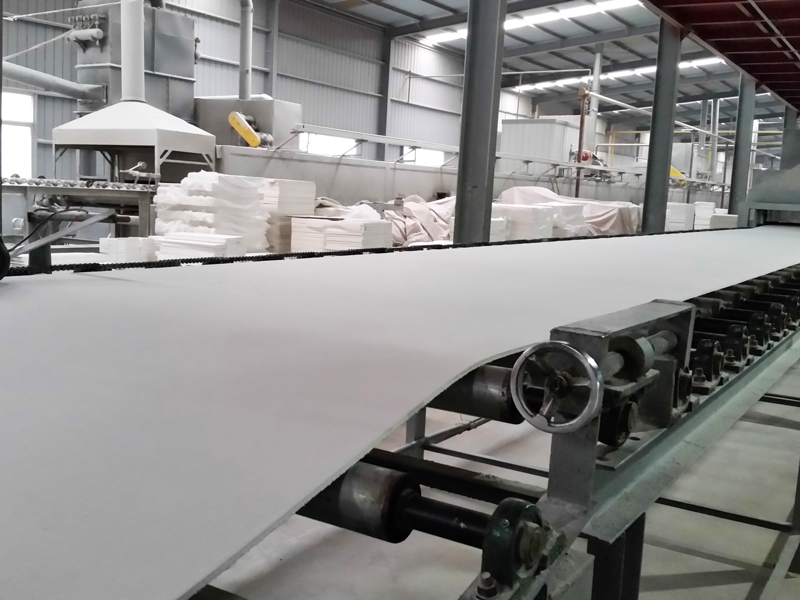

Manufacturing Process for Ceramic Fiber Products
| 1. Preparation of Raw Materials | 2. Fiber Formation | 3. Product Formation | 4. Packaging and Delivery |
The process begins with raw-material preparation. Its main components are alumina and silica, which are commonly sourced from minerals such as bauxite and quartz. In addition, these raw materials are crushed, ground, and mixed to achieve the desired chemical composition and consistency.
- Strict quality control on raw materials;
- Advanced processing equipment for raw materials;
After the raw materials are prepared, they are formed into ceramic fibers using one of two common methods:
- Spinning: The raw materials are melted at high temperatures, then drawn into fine fibers using centrifugal force or streams of air. Workers collect the fibers on a rotating drum or another collection device to form a fibrous mat.
- Blowing: Molten material passes through spinnerets or nozzles and is drawn into fine ceramic fibers by streams of air or gas.
Ceramic fibers are formed into products according to the intended application. Common forms include blankets, boards, modules, paper, cloth, rope, tubes, and bulk fiber. The fibers are compressed, layered, or woven to achieve the required thickness, density, and shape.
- Precise molding systems;
- Highly automated equipment supports efficient production;
After the ceramic fiber products are formed, they undergo strict quality control to ensure they meet specifications and standards. Kerui then packs them according to their form and customer requirements and ships them to the specified destinations, ready for use.
- High-quality products and fast production;
- Safe and on-time delivery;
What Is the Price of Kerui Ceramic Fiber Products?
As a ceramic fiber manufacturer, Kerui has direct control over pricing and aims to offer competitive rates while maintaining product quality.
Kerui maintains strict quality controls and builds long-term partnerships. For a quote tailored to your requirements, please contact Kerui.
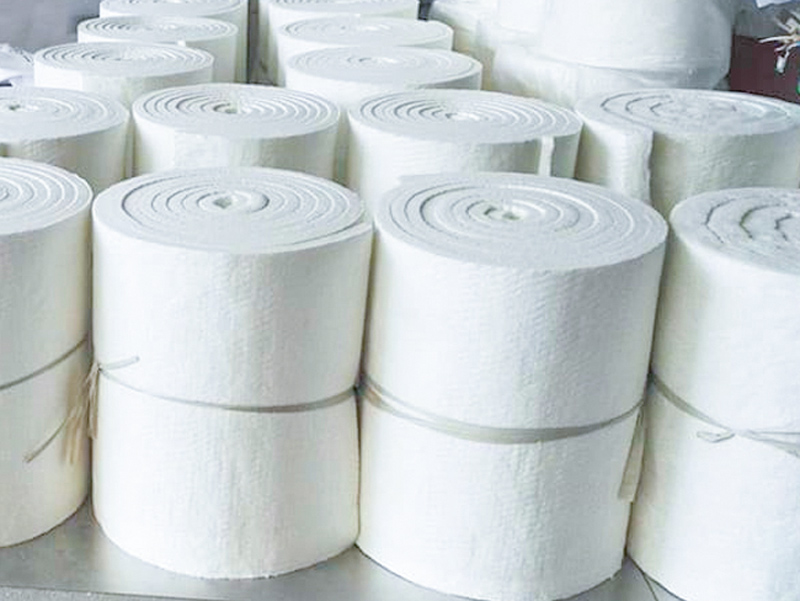

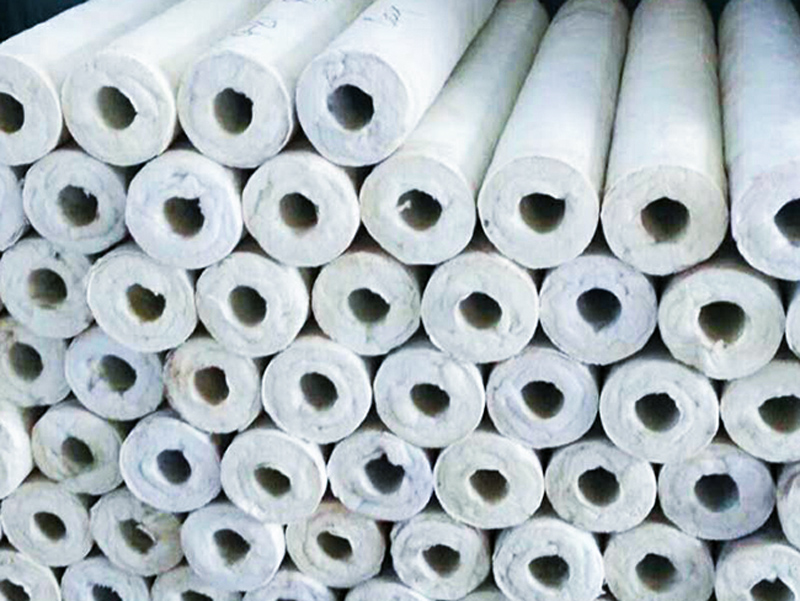
Delivery Cycle of Kerui Ceramic Fiber Products
Prompt Dispatch for Standard Products
Kerui keeps standard ceramic fiber products in stock for prompt dispatch. Orders can be shipped after processing; delivery times depend on the destination and logistics. The team works to help keep projects on schedule.
5–7 Working Days for Customized Products
Kerui offers customized sizes, shapes, and chemical compositions for ceramic fiber products. From design through production, customized orders can be completed in as few as 5–7 working days. Kerui then arranges delivery and keeps customers updated on each order.
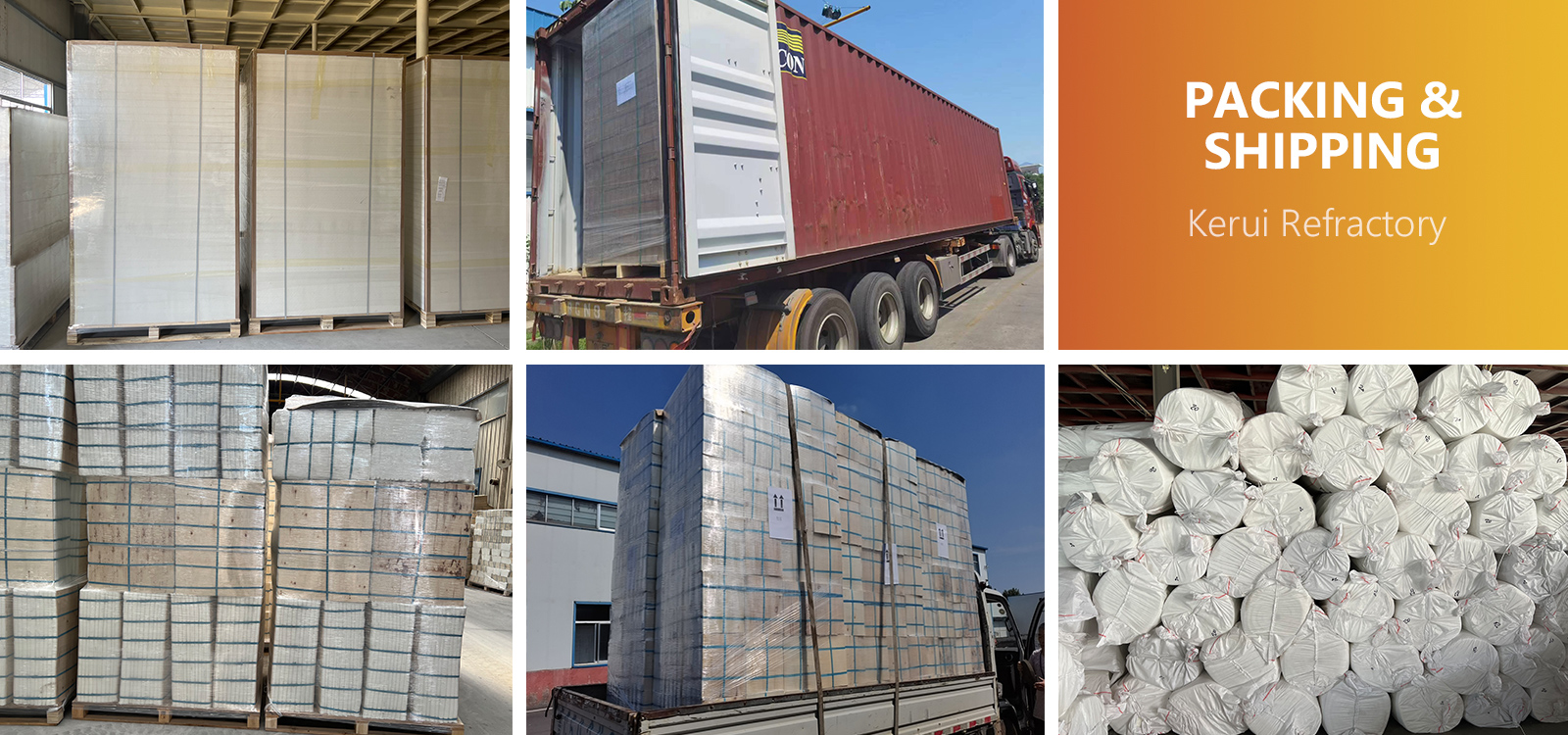
Ceramic Fiber Manufacturer in China – Kerui Refractory
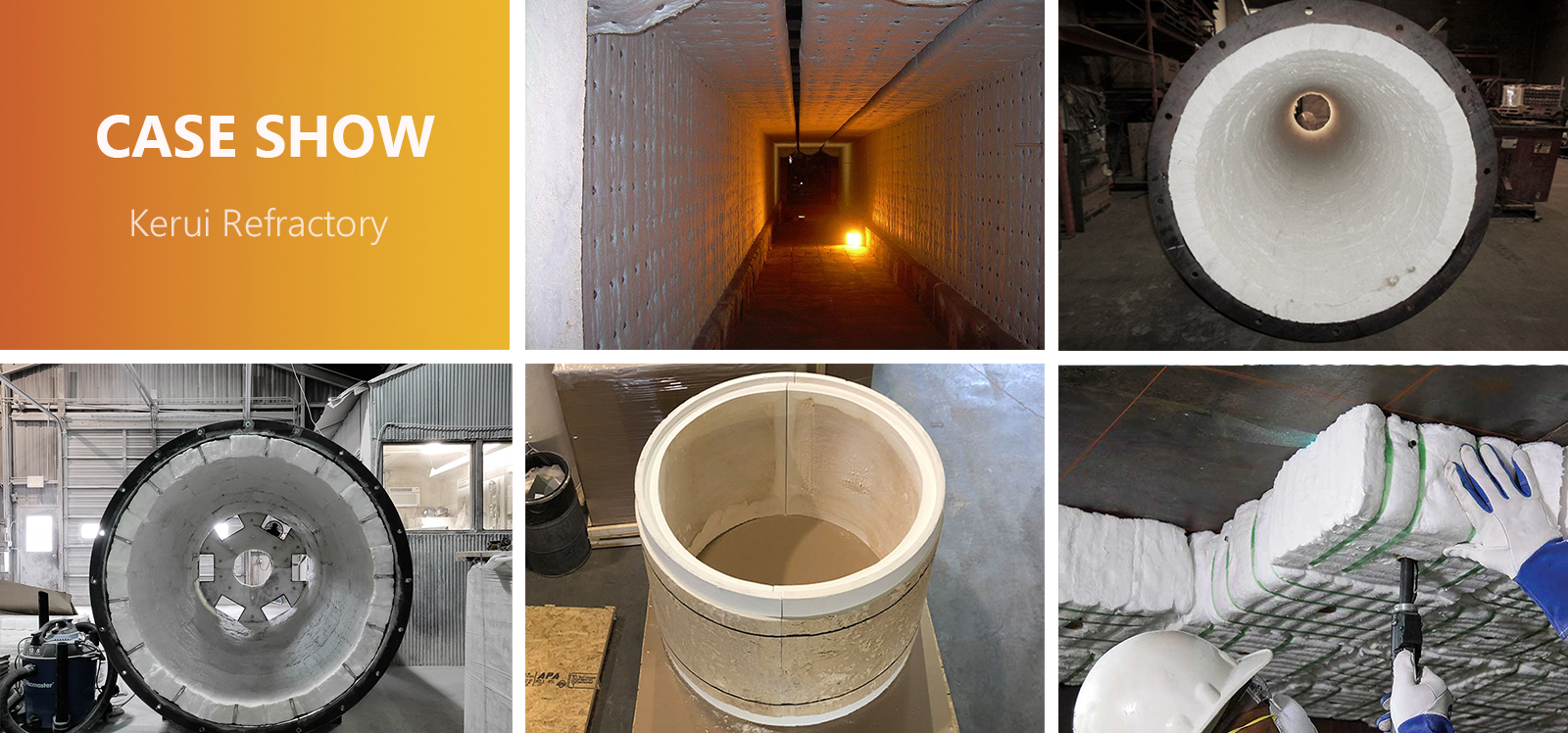
FAQs About Ceramic Fiber Lining Products
Here are some common questions and answers about ceramic fiber products:
- For standard ceramic fiber products: in-stock items can be dispatched immediately; delivery takes approximately 20 working days;
- For customized ceramic fiber products: approximately 35 working days, including 5–7 working days for production and about 30 days for shipping.
- For standard products, please provide the required raw materials, dimensions, technical specifications, quantity, and pricing terms;
- For customized products, please provide the required raw materials, drawings, chemical and physical specifications, quantity, and pricing terms.
Kerui follows a strict quality control system with at least 8 checkpoints throughout production:
- Quality-control point 1: verify that incoming raw materials meet purchasing specifications;
- Quality-control point 2: check raw-material fineness and particle size;
- Quality-control point 3: check slurry fineness, particle size, and moisture content;
- Quality-control point 4: verify mold dimensions, pressing parameters, bulk density, porosity, and unit weight;
- Quality-control point 5: inspect the appearance, dimensions, edges, and density of refractory ceramic fiber products;
- Quality-control point 6: monitor temperature in each kiln zone, including the drying, transition, sintering, and cooling zones;
- Quality-control point 7: inspect finished products against the drawings, including dimensions, edges, and impurities;
- Quality-control point 8: conduct a final inspection according to established procedures.


