


Carbon Brick
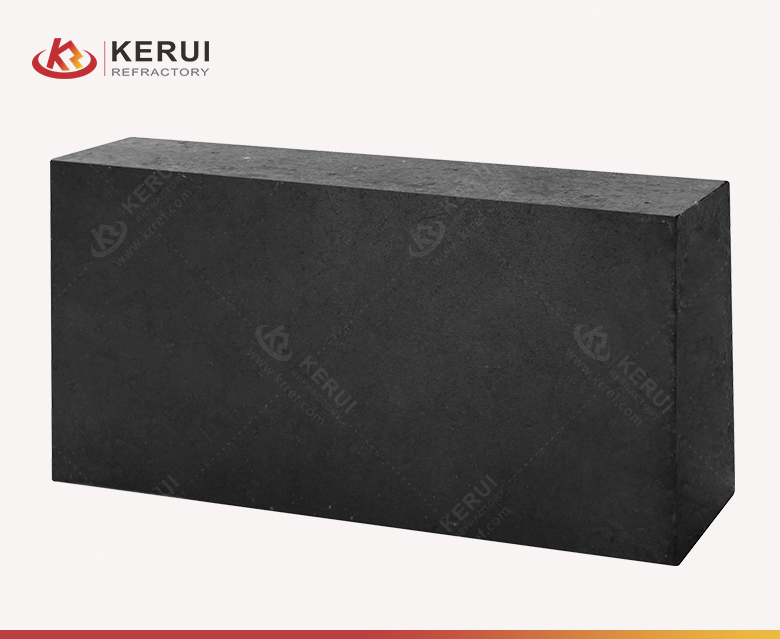
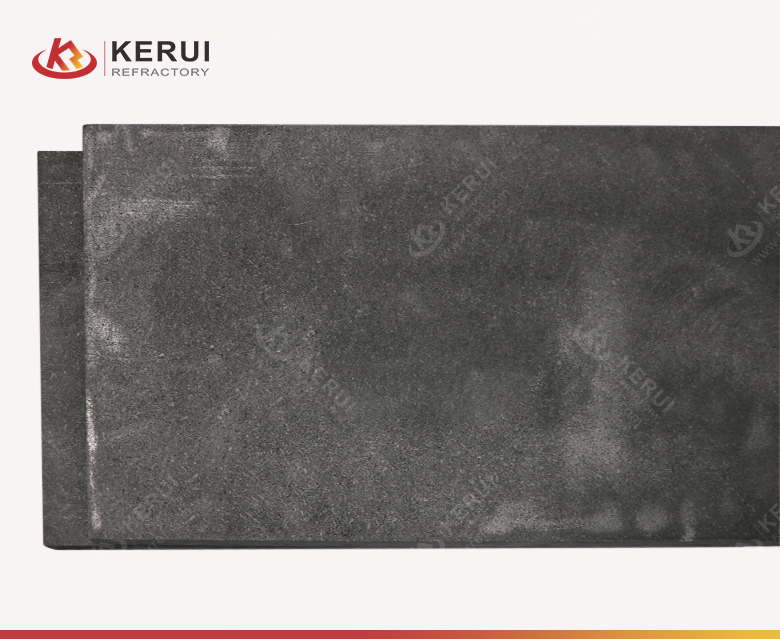
Carbon bricks are high-performance refractory materials made from anthracite, coke, and graphite, designed for molten metal, slag, and high-temperature environments. They are widely used in blast furnace hearths, electric furnaces, and chemical equipment, offering low permeability and high thermal conductivity for extended service life.
-
85–95%
Fixed Carbon (≥)
-
1.60–1.85
Bulk Density (g/cm³)
-
35–60
Compressive Strength (MPa)
-
15–35
Thermal Conductivity (W/m·K)

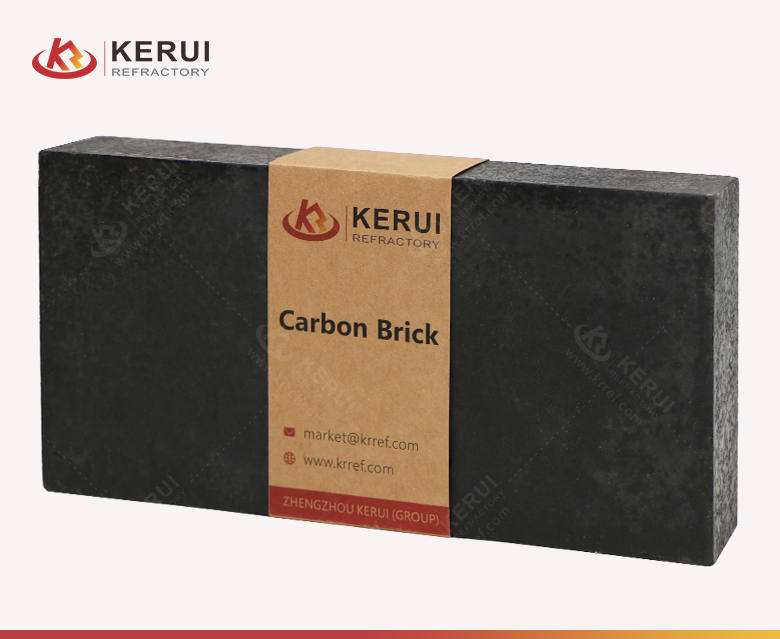
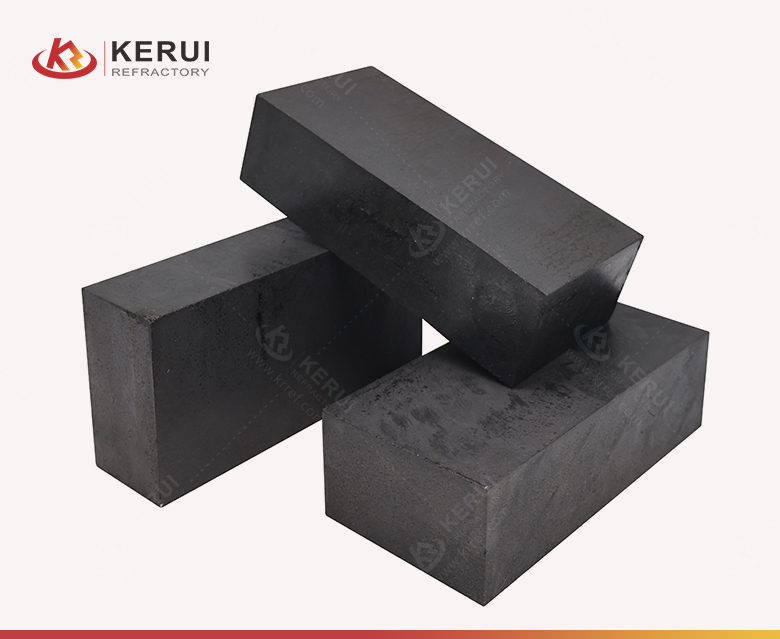
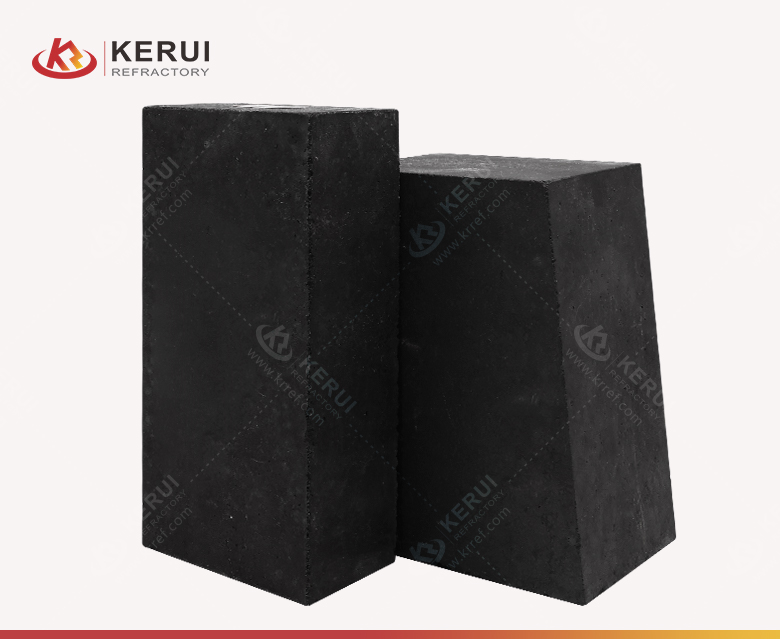
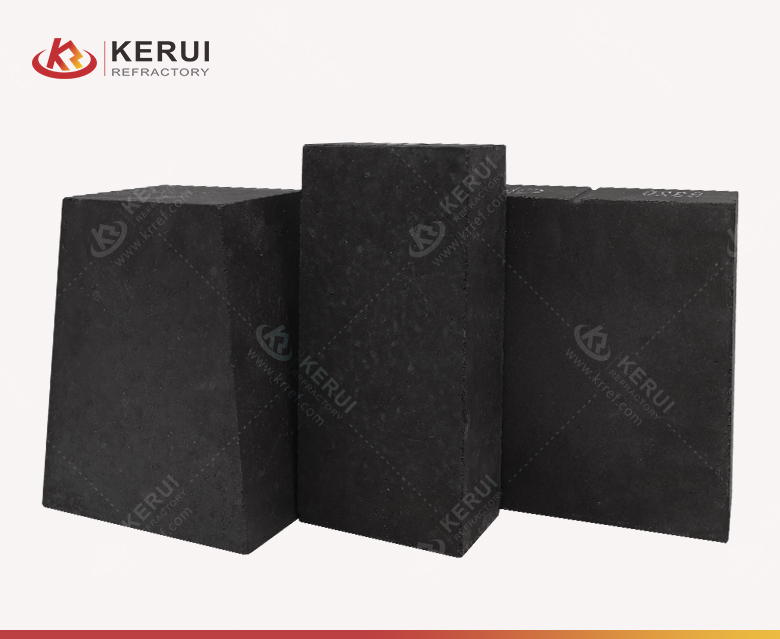
What is Carbon Brick?
Carbon brick is a carbon-based refractory material made from anthracite, coke, or graphite with specialized binders. It is widely used in blast furnace hearths, electric furnaces, and chemical equipment due to its ability to withstand high temperatures and aggressive environments.
>Compared with traditional refractory bricks, carbon bricks feature low wettability to molten metal, high thermal conductivity, and strong resistance to thermal shock, helping to reduce metal penetration and extend service life.
>Depending on the application, carbon bricks can be used for both metallurgical processes (molten iron and slag contact) and corrosion-resistant linings in chemical industries, making them a versatile solution for demanding conditions.
>
| Property | Ordinary Carbon | Semi-Graphite | Graphite | Microporous | Impregnated |
|---|---|---|---|---|---|
| Bulk Density (g/cm³) | 1.55–1.65 | 1.60–1.70 | 1.65–1.80 | 1.60–1.75 | 1.65–1.75 |
| Apparent Porosity (%) | 15–20 | 10–18 | 8–15 | ≤10 (as low as ≤5) | 5–12 |
| Cold Crushing Strength (MPa) | 30–50 | 40–60 | 50–80 | 35–60 | 50–80 |
| Carbon Content (%) | 80–88 | 88–93 | 93–99 | 90–98 | 85–95 |
| Ash Content (%) | 5–10 | 3–8 | 1–5 | ≤5 | ≤5 |
| Thermal Conductivity (W/m·K) | 3–8 | 5–12 | 10–25 | 6–15 | 5–10 |
| Permeability | High | Medium | Low | Extremely Low | Very Low |
Carbon Brick Systems by Application
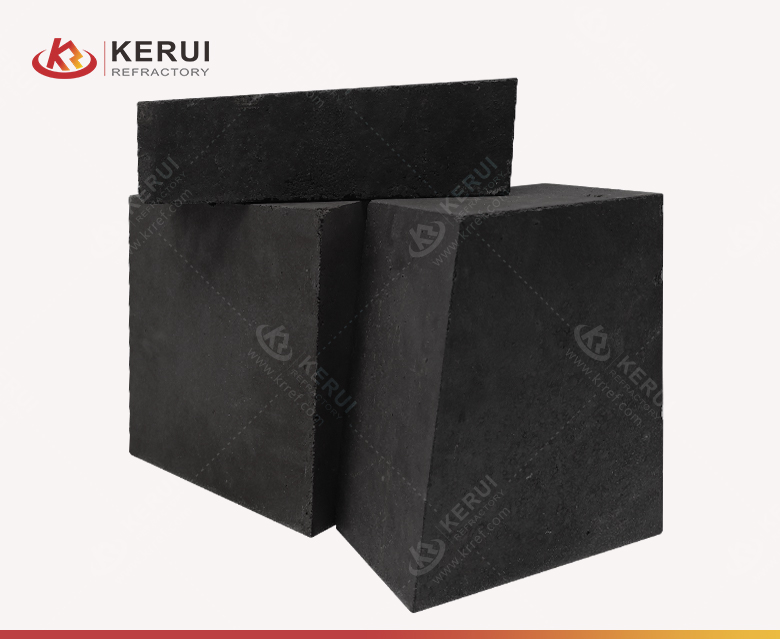
Carbon bricks can be broadly divided into two major application systems based on working conditions. Each system has different performance priorities, material structures, and typical applications.
Metallurgical Carbon Brick System
Designed for extreme high-temperature environments with molten metal and slag, this system focuses on thermal performance, erosion resistance, and structural stability.
- Microporous Carbon Brick
- Semi-Graphite Carbon Brick
- Graphite Carbon Brick
- Ordinary Carbon Brick
- Blast furnace hearth & bottom
- Electric arc furnace (EAF)
- Ferroalloy furnace
- Non-ferrous metal smelting furnaces
- Ordinary Carbon Brick → Cost-effective for secondary or low-load areas
- Microporous Carbon Brick → Ultra-low permeability, prevents molten iron/slag penetration
- Semi-Graphite Carbon Brick → Balanced thermal conductivity and structural stability
- Graphite Carbon Brick → High thermal conductivity for rapid heat dissipation
- Main working layer: Microporous Carbon Brick
- Transition/backup layer: Semi-Graphite Carbon Brick
- High heat transfer zones: Graphite Carbon Brick
- Secondary areas: Ordinary Carbon Brick
☑ Ideal for chemical industries where corrosion resistance is more critical than high temperature strength.
Corrosion Resistant Carbon Brick System
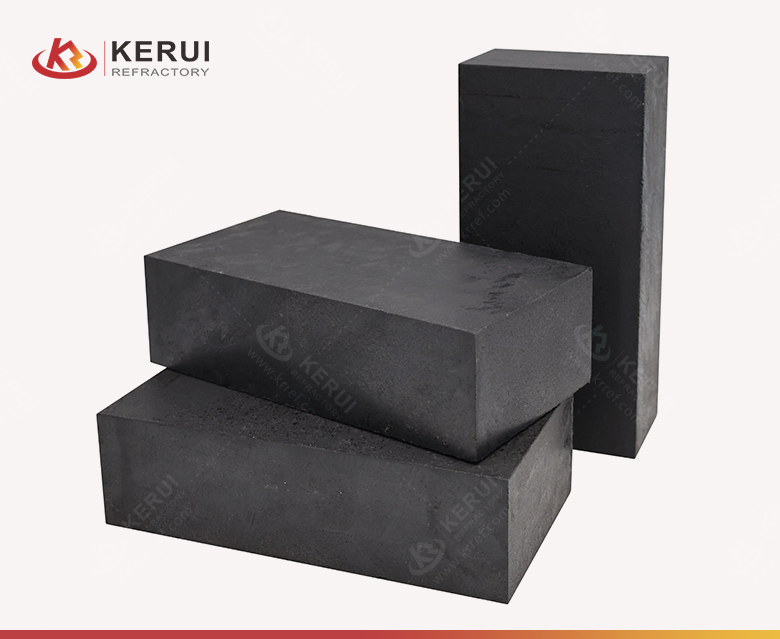
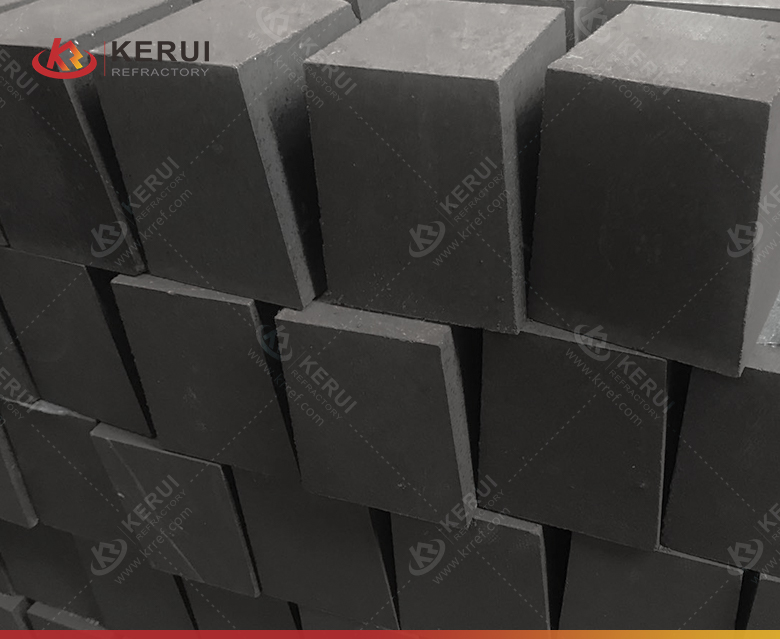
Engineered for chemical corrosion environments, this system emphasizes chemical stability, impermeability, and long-term durability in acidic or alkaline conditions.
- Impregnated Carbon Brick
- Microporous Carbon Bric
- Semi-Graphite Carbon Brick
- Ordinary Carbon Brick
- Acid pickling tanks
- Chemical storage tanks
- Petrochemical reactors
- Acid-resistant floors and linings
- Impregnated Carbon Brick → Sealed pores, excellent resistance to acids and chemical corrosion
- Microporous Carbon Brick → Low permeability for aggressive media penetration resistance
- Semi-Graphite Carbon Brick → Improved stability in moderate corrosion environments
- Ordinary Carbon Brick → Suitable for mild corrosion or cost-sensitive areas
- Primary lining: Impregnated Carbon Brick
- High corrosion resistance zones: Microporous Carbon Brick
- Reinforced/transition areas: Semi-Graphite Carbon Brick
- Secondary areas: Ordinary Carbon Brick
☑ Ideal for chemical industries where corrosion resistance is more critical than high temperature strength.
Key Differences Between Two Systems
| Aspect | Metallurgical Carbon Brick | Corrosion Resistant Carbon Brick |
| Main Environment | Molten metal & slag | Acid / alkali chemicals |
| Core Function | Anti-penetration & heat transfer | Anti-corrosion & impermeability |
| Thermal Conductivity | High | Medium |
| Chemical Resistance | Medium | Very High |
| Typical Industry | Steel / metallurgy | Chemical / petrochemical |
| Installation | Dry laying / ramming | With carbon paste or resin |
Installation & Supporting Materials
Proper installation and matching materials are essential to ensure the performance and service life of carbon bricks, especially in blast furnace and chemical corrosion environments.
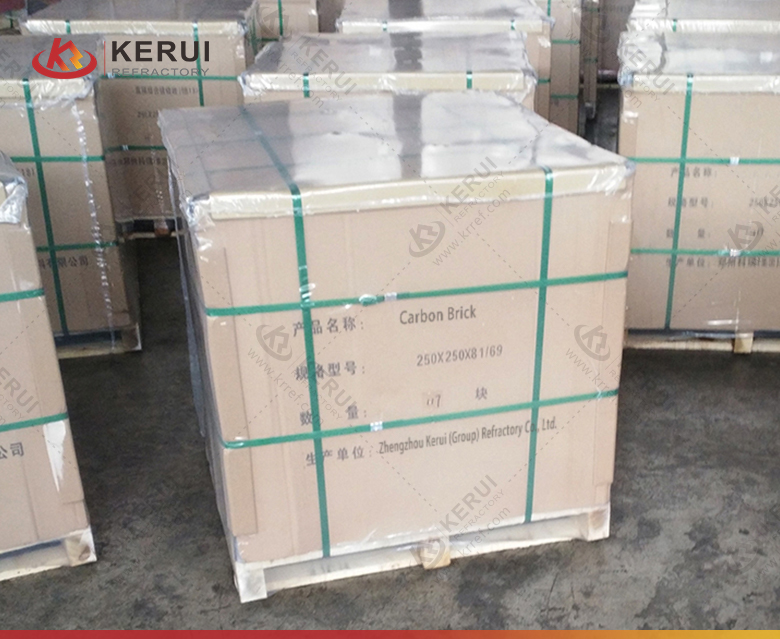
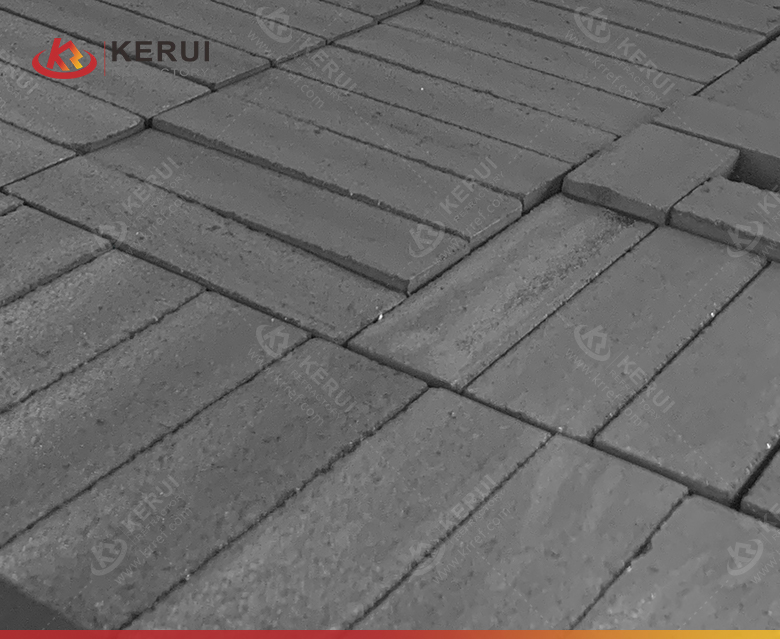
Installation Methods:
- Dry laying with tight joints: Commonly used in blast furnace hearths to minimize molten iron penetration.
- Ramming & sealing structure: Applied in critical zones to enhance overall density and integrity.
- Bonded installation (with mortar): Used in chemical applications where liquid tightness is required.
Recommended Supporting Materials:
- Carbon Paste / Ramming Mass: Improves sealing performance and prevents metal or liquid penetration.
- Resin Mortar (for corrosion system): Provides excellent chemical resistance and bonding strength in acid environments.
- Cooling System Coordination: Especially for metallurgical applications, proper cooling design is essential to prevent overheating and oxidation.
One-Stop Supply Solution:
Kerui Refractory provides not only carbon bricks, but also complete supporting materials and system solutions, including:
- Matching carbon paste / mortar
- Customized brick shapes and sizes
- Technical guidance for installation
☑ Helping you achieve faster installation, better sealing performance, and longer service life with a single-source supply.


