


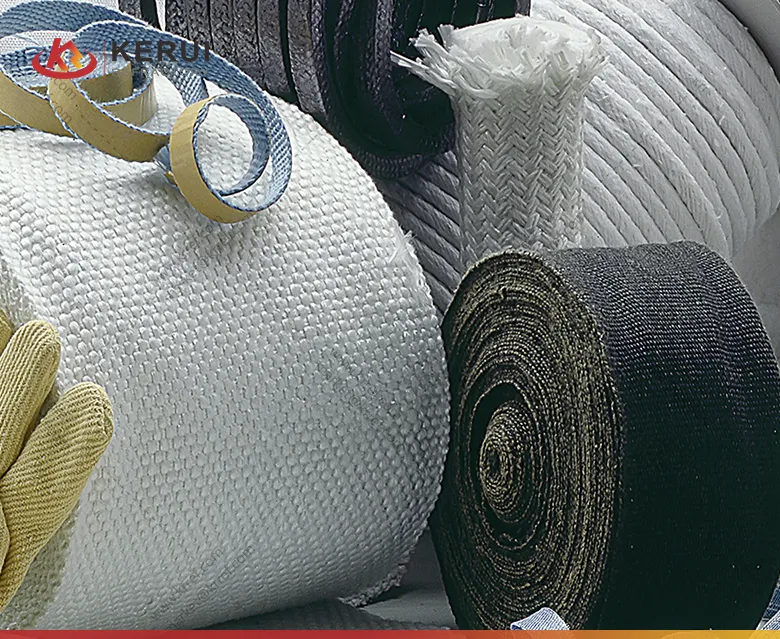
Glass fiber products are made by melting high‑quality glass and forming it into fine fibers. They provide excellent thermal insulation, chemical stability, electrical insulation, corrosion resistance, and sound absorption. Widely used in industrial, construction, electrical, and composite applications.
1– Glass Fiber Cloth / Fabric
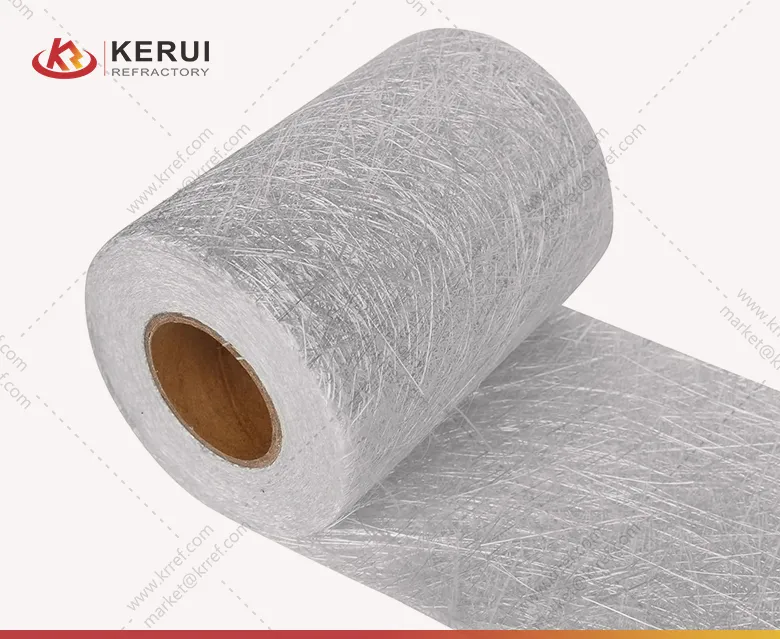
- Areal Weight: 100–600 g/m²
- Thickness: 0.08–1 mm
- Tensile Strength: 1000–3000 MPa
- Max Temp (°C): ~550
- Industrial and construction fabrics
- Composite laminates
- Electrical insulation
- Heat-resistant coverings
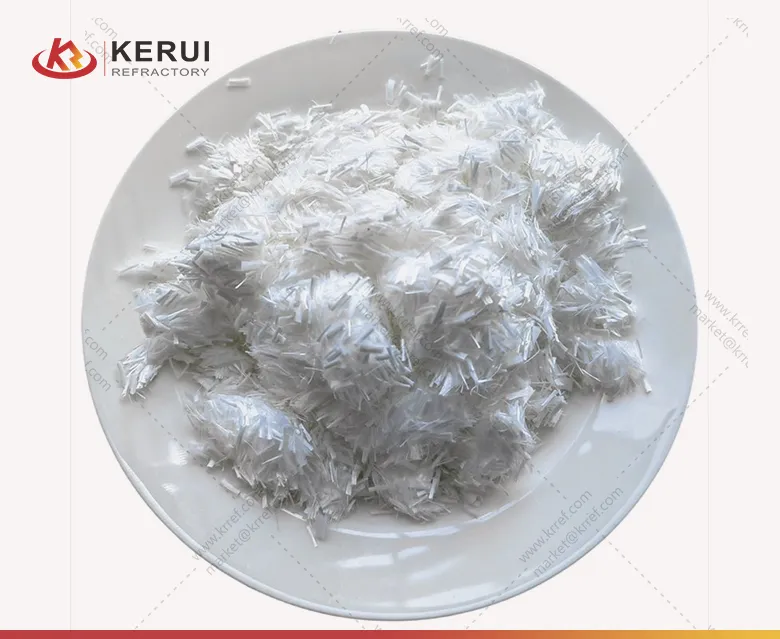
- Fiber Type: Medium & High SiO₂ / SiO₂-Al₂O₃ Short-Cut Fiber
- SiO₂ + Al₂O₃ Content: 80–98%
- Continuous Use Temperature: 800–1000 °C
- Sintered Fiber: low shrinkage <2%
- Needle-punched felt
- Continuous yarn
- Ropes & belts
- Mesh cloth / sewn products
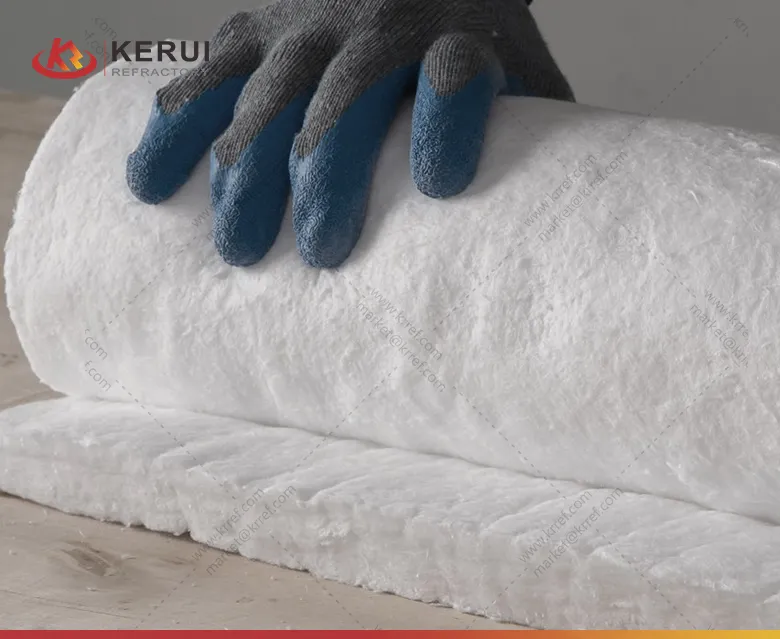
- Fiber Type: Glass Fiber / Medium SiO₂ / High SiO₂-Al₂O₃ Short-Cut Fiber
- Max Use Temperature: 550–1000 °C (short-term up to 1400 °C)
- Density: 120–250 kg/m³
- Non-toxic, asbestos-free
- Industrial and building insulation
- Automotive heat and sound insulation
- Aerospace, metallurgy, chemical, fire protection
- High-temperature and composite insulation
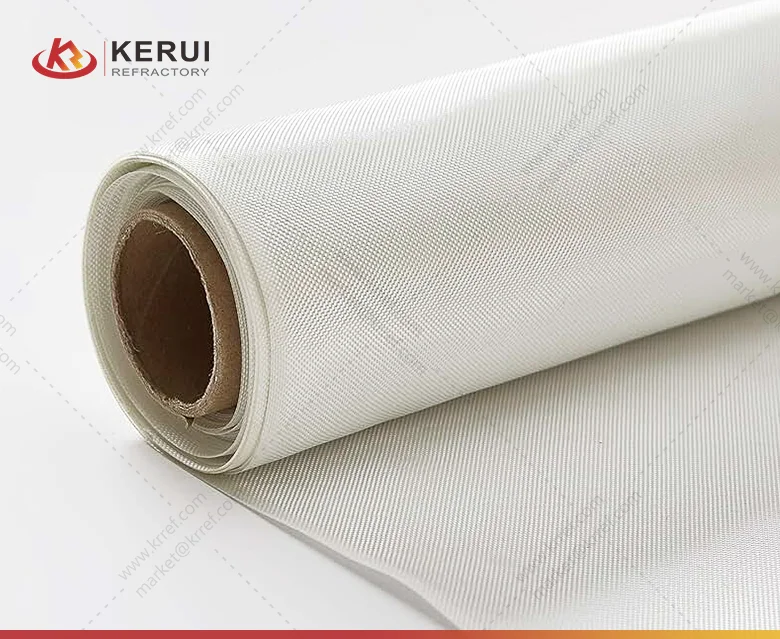
- SiO₂ Content: 96–98%
- Continuous Use Temperature: 1000 °C
- Fabric Weight: 1100 g/m²
- Thickness (mm): 1.3mm
- Industrial insulation at moderate temperatures
- Automotive heat and sound insulation
- Furnace and boiler lining
- Chemical and fire-resistant linings
- Density: 10–120 kg/m³
- Thermal Conductivity: 0.032–0.045 W/m·K
- Max Use Temp: ~450 °C
- Applications: Building insulation panels, partition boards
- Temp Resistance: up to 450 °C
- Insulation Class: F/H
- Applications: Pipe insulation, joint sealing in kilns & equipment
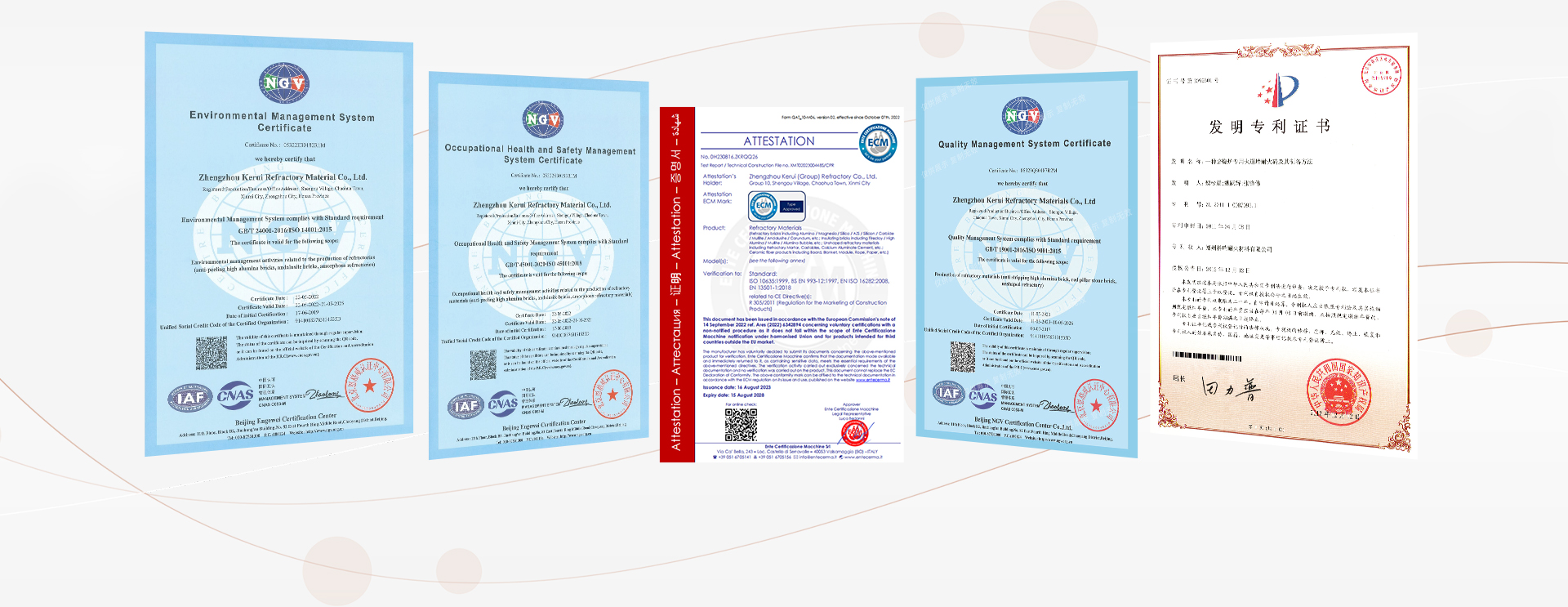
Certificates of Kerui Fiberglass Products
Kerui fiberglass products have international certifications including ISO, CE, and SGS certifications. These certifications ensure both the quality and performance of the products. In addition, Kerui has received numerous honors from the refractory and insulation industry as well as local government. Kerui is a reliable fiberglass product supplier with a strong sense of social responsibility. Customers can be assured of purchasing high-quality fiberglass insulation products.
Brief Introduction of Fiberglass Product
The main raw material of Kerui fiberglass insulation products is high-purity glass-forming materials such as silica, alumina, and other oxides. Kerui produces them through advanced high-temperature melting and fiber forming processes. The fiberglass is white or slightly transparent, odorless, and has excellent flexibility. This gives it good toughness, thermal insulation, and durability, making it suitable for a wide range of industrial applications.
To meet different requirements in various industries, Kerui offers a wide range of fiberglass products. Alternative names include glass fiber textile products, high-temperature insulation materials, fiber glass mats, fiberglass boards, and fiberglass ropes.
In addition to fiberglass, Kerui also provides other insulation and refractory solutions, such as Aluminum Silicate Fiber Blanket, Calcium Silicate Board, and Refractory Castables, which can be used together for comprehensive thermal insulation and refractory applications.
Manufacturing Process of Fiberglass Product
| 1. Preparation of Raw Materials | 2. Forming Fiberglass Fibers | 3. Mold and Shape Fiberglass Products | 4. Packaging and Delivery |
The process begins with the preparation of raw materials. The main components are silica, alumina, and other mineral oxides. These raw materials undergo crushing, melting, and mixing to achieve the desired chemical composition and consistency.
- Strict quality control on raw materials;
- Advanced processing equipment for raw materials;
After preparing the raw materials, employees process them into fiberglass fibers. There are two common methods for forming fibers:
- Spinning: The molten glass is spun into fine fibers using centrifugal force or air blowing techniques. Fibers are collected on rotating drums or collection devices to form mats.
- Blowing: The molten glass is forced through spinnerets or nozzles and cooled by air or gas streams, forming fine fiberglass strands.
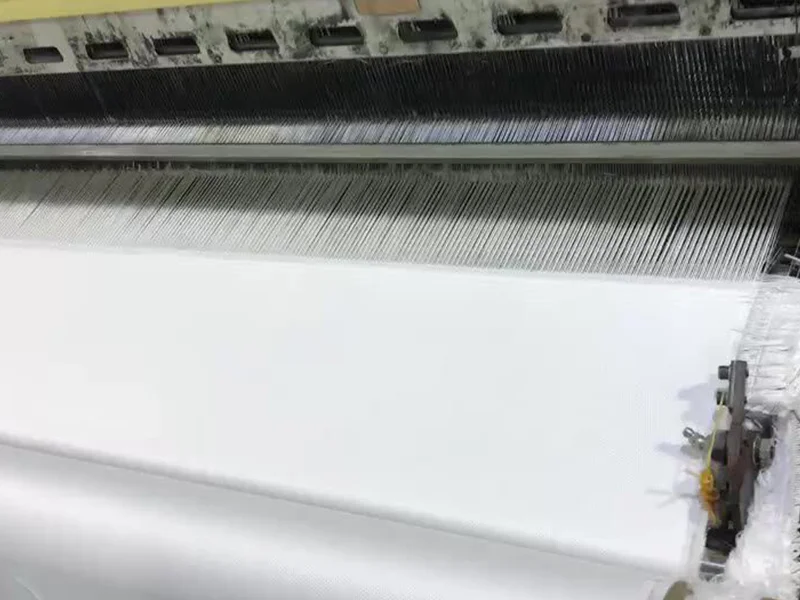
In the molding stage, the fibers are processed according to the desired application. Common forms of fiberglass products include blankets, boards, mats, papers, cloths, ropes, and tubes. Fibers can be compressed, layered, or woven to achieve the required thickness, density, and shape.
Some projects may require combining fiberglass products with other refractory or insulation materials, such as High Alumina Fire Bricks or Calcium Silicate Boards, to achieve optimal thermal performance.
- Precise molding system
- Highly automatic equipment allows efficient production
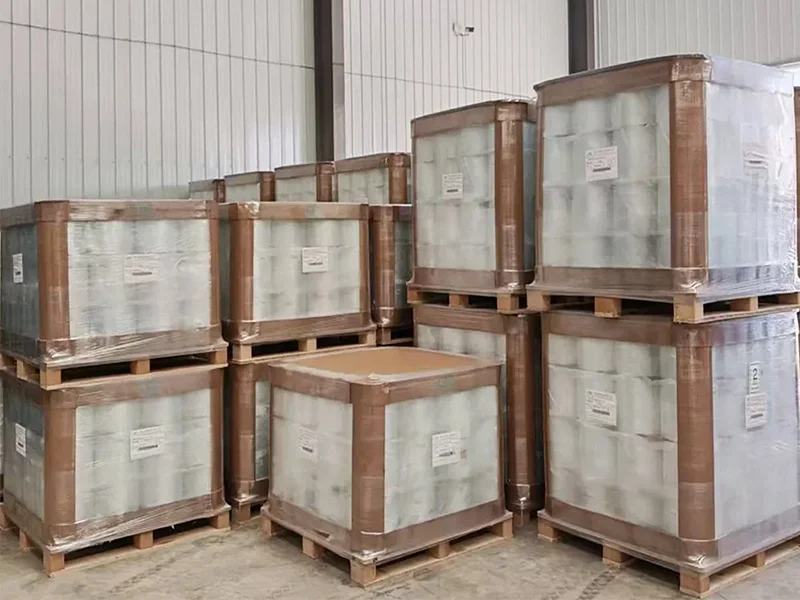
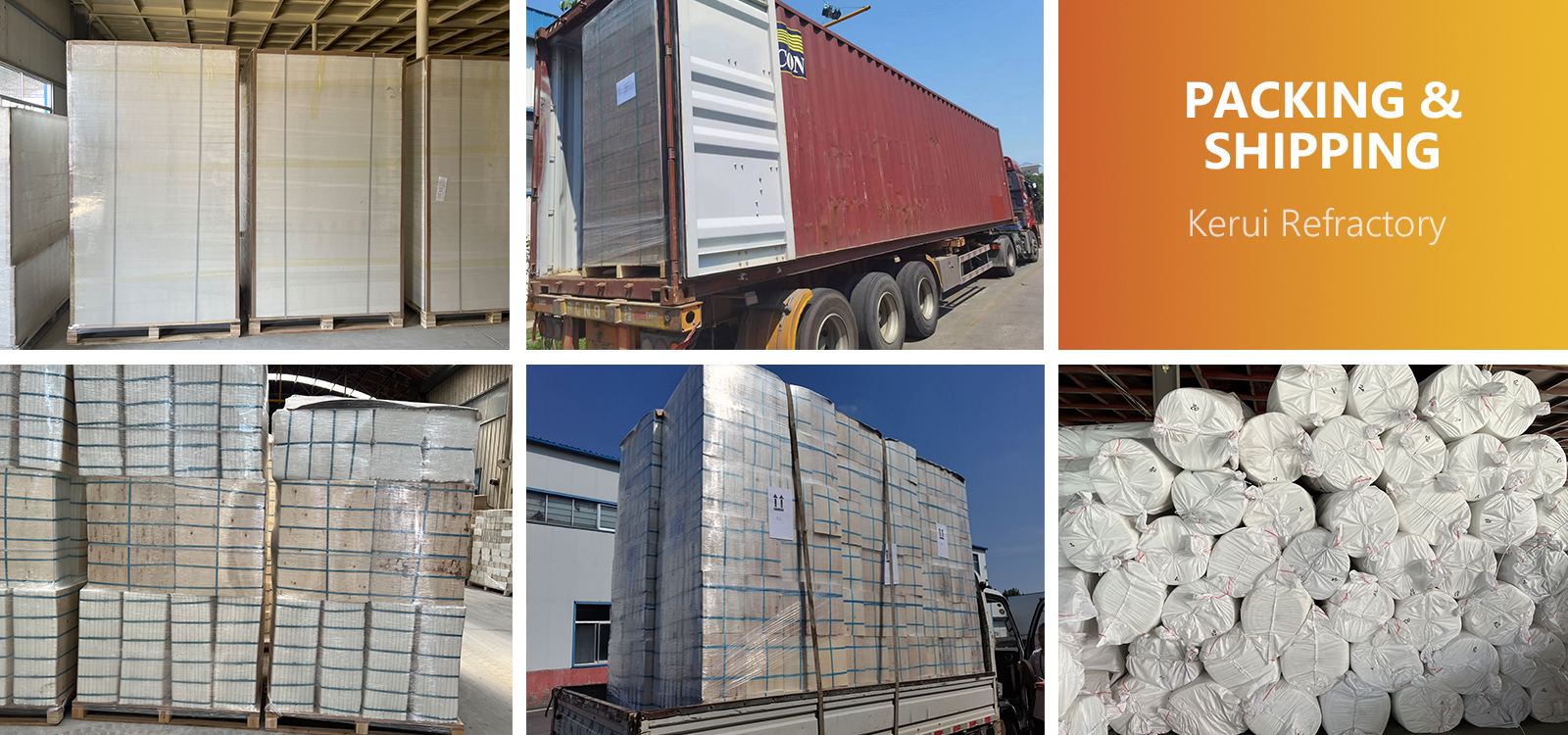
After molding, Kerui conducts strict quality control to ensure products meet specifications and standards. Products are then packed according to their form and customer requirements, and shipped to their destinations ready for use in insulation and industrial applications.
- High-quality and fast production
- Safe and on-time delivery
What’s Kerui Fiberglass Product Price?
As the original manufacturer of fiberglass products, Kerui controls pricing directly. To expand market share, Kerui adopts a model of small profits but quick turnover, offering competitive prices while ensuring quality.
Thanks to strict quality control and stable partnerships, customers can get high-quality fiberglass products at reasonable prices. For customized solutions or bulk orders, please contact Kerui Refractory for quotes.
Delivery Cycle of Kerui Fiberglass Products
Immediate Delivery For Standard Products
Standard fiberglass products are in stock and can be shipped immediately upon order.
5-7 Days For Customized Fiberglass Products
Kerui supports customization of sizes, shapes, and fiber compositions. From design to production, delivery can be arranged in 5–7 working days. Customers receive timely updates on their order status.
Fiberglass Products Manufacturer in China – Kerui Refractory
FAQs About Fiberglass Products
Here are some common questions and answers that customers may have regarding to ceramic fiber products:
- Standard products: immediate shipment from stock or 20 working days.
- Customized products: 35 working days (5–7 days production + 30 days shipping).
- For standard products: provide dimensions, technical data, quantity, and price terms.
- For customized products: provide drawings, chemical and physical data, quantity, and price terms.
Kerui implements a strict quality control system with at least 8 checkpoints:
- Raw materials meet purchase standards
- Control the fineness and granularity of raw materials
- Monitor fiber formation and consistency
- Inspect mold sizes, compression, and fiber density
- Check product appearance, size, and corners
- Control temperature during fiber processing
- Final product inspection according to design specifications
- Comprehensive final inspection per inspection procedures


