In industrial projects involving corrosion and high temperatures, two materials are often confused: acid resistant bricks (acid proof bricks) and acid refractory bricks used in acidic environments.
Although they may seem similar, these two products are designed for completely different working conditions and are not interchangeable. Choosing the wrong one can lead to premature failure, increased maintenance costs, and unexpected downtime.
What Is Acid Resistant Brick?
Acid resistant bricks are specifically designed for chemical corrosion protection at low to moderate temperatures. These bricks are widely used in environments where strong acids are present but temperatures are relatively limited.
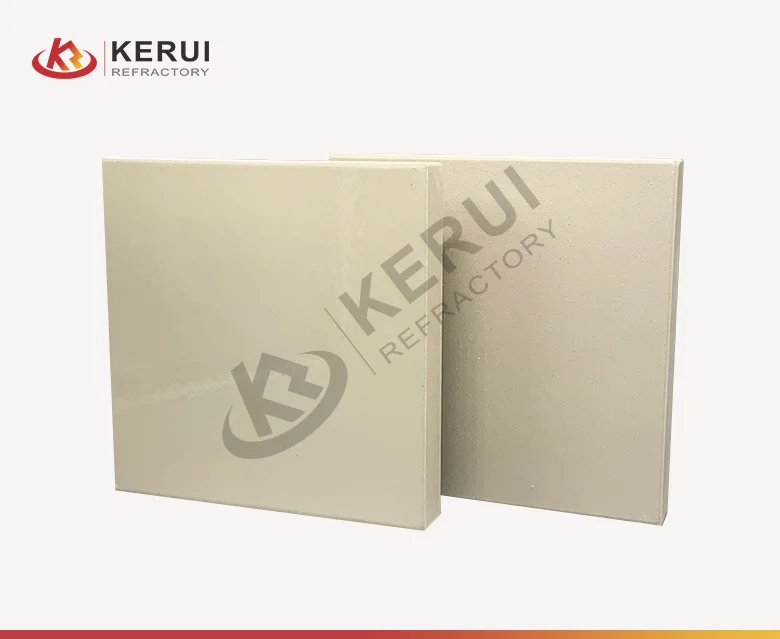
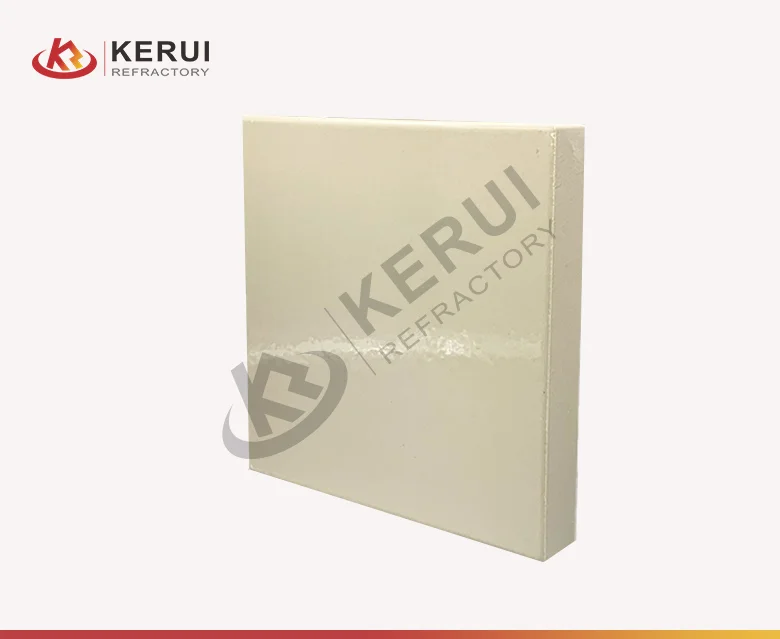
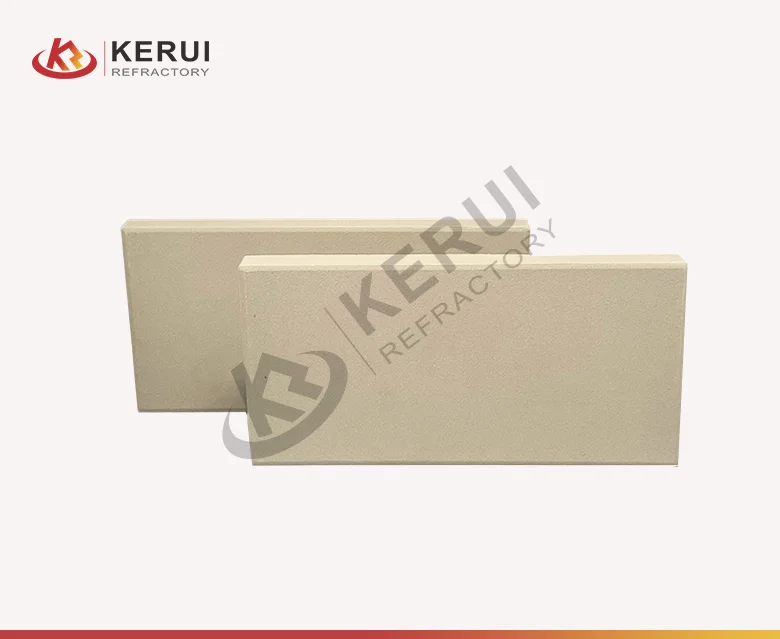
They are typically made from dense ceramic or silica-based materials, offering excellent resistance to acids such as:
- Sulfuric acid
- Hydrochloric acid
- Nitric acid
Key features:
- Excellent chemical resistance
- Low porosity and high density
- Strong impermeability
- Stable performance in acidic environments
Typical applications:
- Chemical plant floors and walls
- Pickling tanks
- Acid storage areas
- Wastewater treatment systems
👉 However, acid resistant bricks are generally used below 800–1000°C and are not suitable for high-temperature furnace environments.
What Is Acid Resistant Refractory Brick?
Acid resistant refractory bricks are designed for high-temperature environments where both heat and chemical corrosion are present.
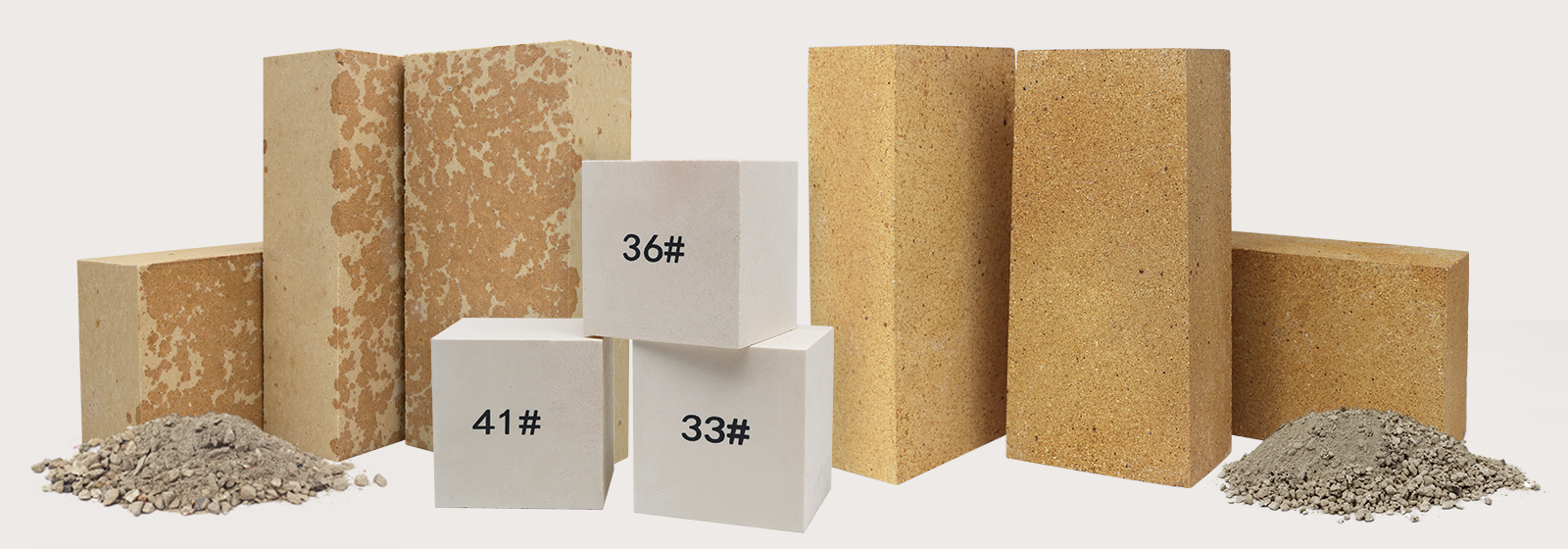
These include materials such as:
- Silica bricks
- Fire clay bricks (acid-resistant grades)
- AZS bricks (for glass furnaces)
Unlike standard acid resistant bricks, these refractories must withstand:
- High temperatures (typically 1200°C+)
- Thermal shock and expansion
- Chemical attack from acidic slags or gases
Typical applications:
- Glass furnaces
- Coke ovens
- Ceramic kilns
- High-temperature flue systems
These bricks are engineered not only for corrosion resistance, but also for structural stability and long-term furnace operation.
Key Differences at a Glance
| Aspect | Acid Resistant Brick | Acid Resistant Refractory Brick |
| Temperature range | Low to medium (<1000°C) | High temperature (>1200°C) |
| Main purpose | Corrosion protection | Furnace lining + corrosion resistance |
| Material system | Dense ceramic / silica | Refractory-grade materials |
| Application | Chemical industry | Industrial furnaces |
| Thermal performance | Limited | Excellent |
👉 Core difference:
are for chemical protection, while acid refractory bricks are for high-temperature industrial environments.
Common Mistake to Avoid
A frequent mistake is using acid resistant bricks in high-temperature furnace zones.
While these bricks can resist chemical corrosion, they lack the thermal stability and refractoriness required for furnace operation. This often results in:
- Cracking due to thermal shock
- Structural failure
- Shortened service life
On the other hand, using high-grade acid refractory bricks in low-temperature chemical environments may increase costs without delivering additional benefits.
How to Choose the Right Brick
Choose Acid Resistant Bricks When:
- The temperature is relatively low
- The primary concern is acid corrosion
- The structure is static (floors, tanks, walls)
Choose Acid Refractory Bricks When:
- The environment involves high temperature + chemical exposure
- The lining must handle thermal cycling and mechanical stress
- The application is a furnace, kiln, or high-temperature system
From Product Selection to System Design
In real industrial applications, selecting refractory materials is not just about choosing a product—it is about designing a complete lining system based on operating conditions.
Even though acid resistant bricks and refractory bricks may share similar chemical resistance, their design purpose, performance requirements, and applications are fundamentally different.
If you are unsure which solution fits your project, the engineering team at Kerui Refractory can help evaluate your working conditions—including temperature, chemical exposure, and mechanical requirements—and recommend the most suitable material for long-term performance and cost efficiency.
Choose Based on Conditions, Not Just Names
Refractory selection is not about product labels—it is about matching materials to real working conditions.
The right choice is not the most expensive option, but the one that fits your operating environment. Understanding the difference between acid resistant bricks and acid refractory bricks is the first step toward building a more reliable and cost-effective system.


