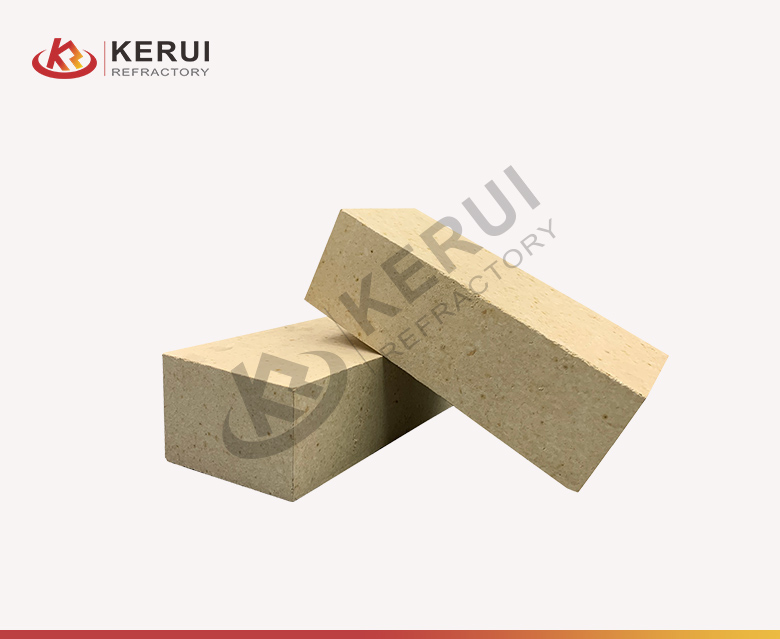
In the refractory industry, manufacturers usually classify high alumina bricks by their Al₂O₃ content, with common grades including 55%, 65%, and 75%. Many buyers assume that a higher alumina percentage automatically means better performance.
In reality, experienced furnace engineers evaluate much more than numbers. The real difference between these grades lies in thermal stability, mechanical strength, and suitability for different furnace zones.
Understanding these differences helps plant operators avoid unnecessary costs while improving furnace service life.
Why High Alumina Content Alone Does Not Tell the Whole Story
Alumina content plays an important role in refractory classification, but it does not fully determine performance.
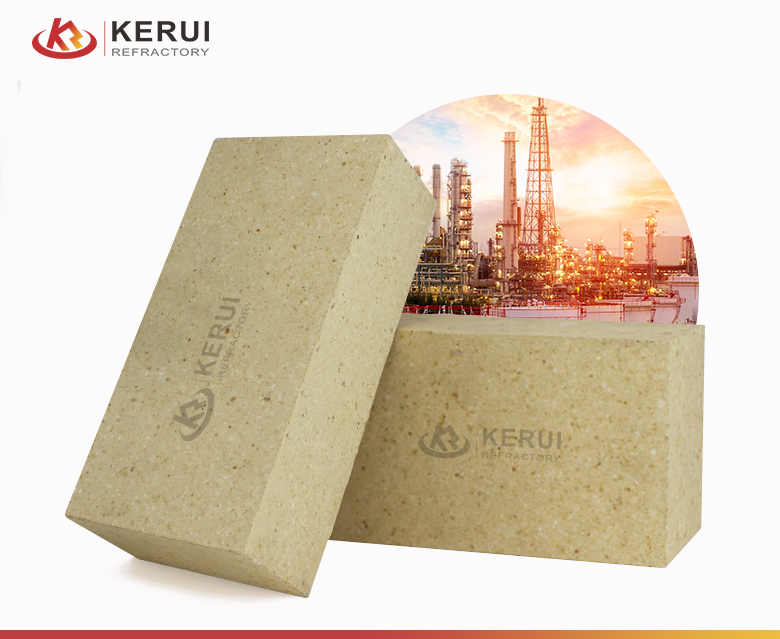
The mineral structure, porosity, firing process, and raw material quality all influence how a refractory brick performs in real operating conditions. Two bricks with the same Al₂O₃ content may behave very differently inside a furnace.
For this reason, professional suppliers such as Kerui Refractory evaluate multiple technical factors before recommending a specific grade for industrial applications.
55% High Alumina Bricks: Practical Solutions for Medium Temperature Zones
55% high alumina bricks represent the entry level of the high alumina category, but they still provide reliable performance in many industrial environments.
These bricks typically offer:
- Good refractoriness
- Stable thermal shock resistance
- Moderate resistance to slag attack
Industries commonly install this grade in equipment such as:
- Industrial boilers
- Reheating furnaces
- Lime kilns
- Secondary lining areas in cement kilns
Because these zones do not experience extremely high temperatures, 55% bricks often deliver sufficient durability with a lower material cost.
65% High Alumina Bricks: The Most Widely Used Industrial Grade
Many furnace designers consider 65% high alumina bricks the most versatile option for heavy industrial applications.
Compared with 55% bricks, this grade provides:
- Higher refractoriness under load
- Improved slag resistance
- Greater mechanical strength
These advantages make 65% bricks suitable for demanding environments such as:
- Steel plant furnaces
- Glass furnace structures
- Cement kiln transition zones
- Petrochemical heaters
Manufacturers like Kerui Refractory often recommend this grade when customers need a reliable balance between thermal stability, strength, and cost efficiency.
75% High Alumina Bricks: Materials for Severe High Temperature Conditions
75% high alumina bricks use higher-purity raw materials, which significantly improve their high-temperature performance.
Key advantages include:
- Higher refractoriness
- Stronger resistance to chemical corrosion
- Better performance under heavy thermal loads
Industries commonly use these bricks in critical high-temperature areas, including:
- Steel ladles
- Blast furnace structures
- Hot blast stoves
- High-temperature kiln zones
However, engineers rarely install this grade across an entire furnace. Instead, they place it only in zones where extreme temperatures or aggressive slag conditions require higher material purity.
Matching High Alumina Brick Grades to Furnace Zones
Industrial furnaces operate under different conditions in different areas. Temperature, slag contact, and mechanical stress vary widely across the structure.
Engineers therefore combine several refractory grades to optimize both durability and cost efficiency.
| Furnace Zone | Recommended Grade |
| Low to medium temperature areas | 55% High Alumina Brick |
| Transition zones | 65% High Alumina Brick |
| High temperature or high load zones | 75% High Alumina Brick |
Refractory manufacturers such as Kerui Refractory often help clients analyze furnace conditions and select materials based on temperature range, slag chemistry, and thermal cycling frequency.
Performance Matters More Than Numbers
Refractory selection is a process of engineering balance, not a competition of numbers.
The most expensive brick—or the one with the “best-looking” specifications—can perform poorly if it does not match the operating environment. True value lies in fitness for service, not in extreme parameters.
Rather than debating decimals on a specification sheet, meaningful communication with experienced refractory engineers will deliver better performance and lower total cost.
Refractories Should Match the Furnace, Not Just the Specification
In the end, high alumina bricks—like all refractories—should be viewed not as standardized commodities, but as tailored solutions designed around real operating conditions.


