Don’t Just Compare Prices — 3 Critical Factors That Determine 20+ Years of Service Life
In chemical plants, electroplating workshops, pickling lines, or laboratory projects, the first question buyers usually ask is:
“How much does acid resistant brick cost per square meter?”
At Kerui Refractory, we frequently receive this inquiry from industrial clients worldwide. While quick price comparison is understandable, in corrosion-resistant flooring systems, the difference in price often reflects a deeper difference in material quality — and that difference may determine whether your floor lasts 20 years or requires repairs within just a few years.
The cost of acid resistant brick represents only a small portion of the total anti-corrosion flooring system. If inferior materials cause seepage, corrosion, debonding, or cracking, the downtime and maintenance expenses can easily exceed the initial savings many times over.
Before focusing on the quotation sheet, make sure you carefully evaluate the following three key indicators that directly impact long-term performance.
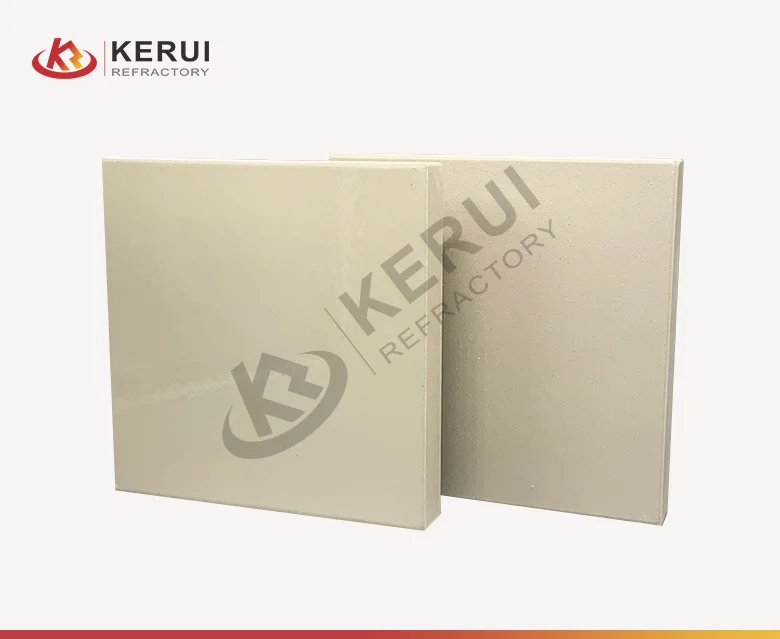
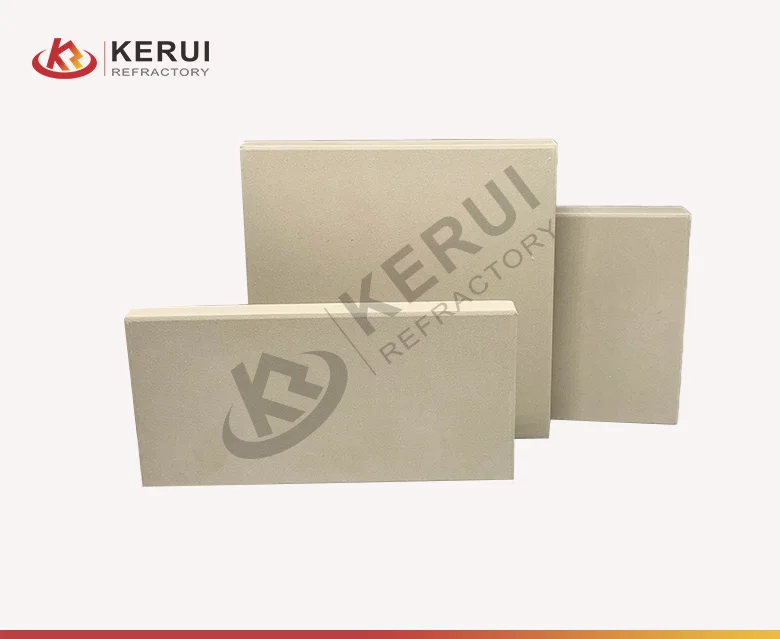
🔬 Factor 1: Acid Resistance & Raw Material Quality — Silica Content Is Critical
The fundamental property of acid resistant brick depends largely on its silica (SiO₂) content and high-temperature firing process. Premium-grade products typically contain 70% or more silica, forming a dense and chemically stable structure after sintering.
High-quality acid resistant bricks supplied by Kerui Refractory are engineered to resist most inorganic acids — including sulfuric acid, hydrochloric acid, and nitric acid (excluding hydrofluoric acid).
How to Verify:
- Request a third-party test certificate
- Confirm acid resistance rate (ideally ≥99.8%)
- Review density and firing temperature specifications
Lower-priced products often contain excessive clay or feldspar, which reduces chemical stability and long-term reliability.
🔨 Factor 2: Physical Lifespan — Water Absorption & Surface Hardness
Even if chemical resistance is adequate, poor physical properties can drastically shorten service life.
- Water Absorption — The Hidden Risk
Porous bricks allow acidic liquids to penetrate internally, gradually damaging the foundation layer. Over time, this leads to hollowing, peeling, and structural instability.
High-density acid resistant bricks should maintain a water absorption rate between 0.5%–5.0%, depending on the grade. A simple observation test: water droplets should remain on the surface rather than immediately soaking in.
- Mohs Hardness — Impact & Abrasion Performance
Industrial floors endure heavy loads, forklift traffic, steel equipment movement, and abrasion. Qualified acid resistant bricks should reach Mohs hardness level 7 or above, ensuring durability under demanding operating conditions.
👷 Factor 3: Installation System — Good Bricks Require Proper Adhesive
In many cases, floor failure is not caused by the brick itself, but by improper joint materials.
Acid resistant bricks must be installed with acid resistant mortar, such as potassium silicate mortar or epoxy resin mortar. Using ordinary cement will compromise the entire anti-corrosion system.
When requesting a quotation, ask:
- Does the proposal include matching acid resistant mortar?
- What adhesive system is recommended?
- Are installation guidelines provided?
A professional supplier like Kerui Refractory will clearly explain the full system solution — not just the brick price.
💰 So, What Is the Actual Price Per Square Meter?
The price of acid resistant brick varies depending on:
- Thickness (15mm–30mm common range)
- Size specifications
- Density grade
- Order volume
Market prices can vary significantly. However, extremely low quotations often indicate reduced silica content or insufficient firing quality.
The real question is not “How cheap is it?”
The better question is “How long will it last?”
📝 Practical Advice for Industrial Buyers
Instead of focusing only on price differences per square meter, carefully evaluate:
- Silica content and acid resistance rate
- Water absorption and hardness level
- Matching acid resistant adhesive system
With proper material selection and installation, acid resistant brick flooring can operate safely for over two decades.
If you are selecting materials for a chemical plant, wastewater treatment facility, laboratory, or electroplating workshop, the technical team at Kerui Refractory can assist with tailored material recommendations and accurate cost evaluation based on your working conditions.
A smart investment today ensures long-term operational stability tomorrow.


