


Fused AZS Bricks
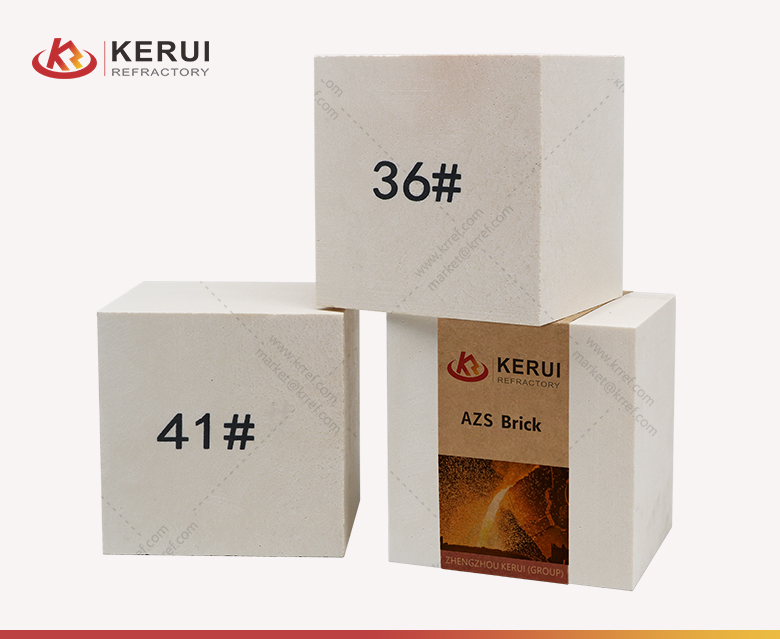
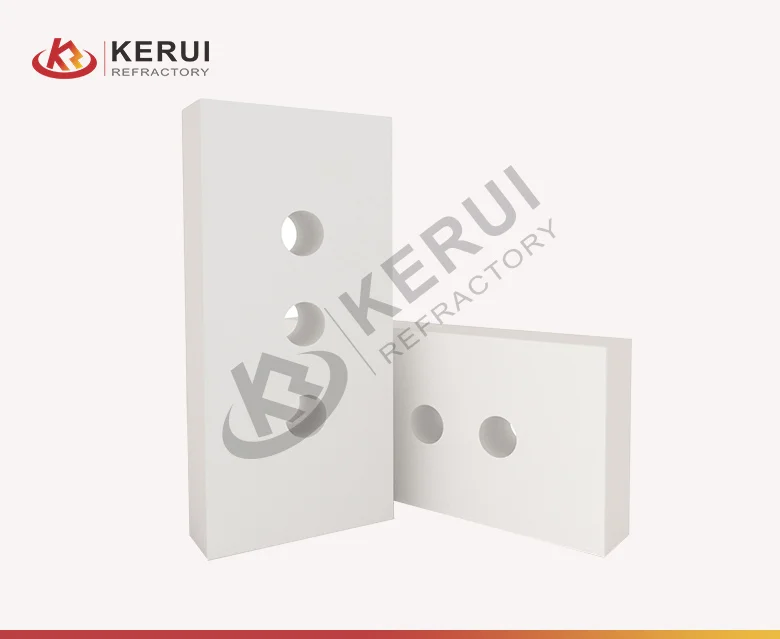
Fused AZS bricks are high-density alumina–zirconia–silica refractory materials produced by electric arc fusion. They are designed for direct contact with molten glass, offering excellent corrosion resistance, thermal stability, and long service life in glass furnace hot-face applications.
-
33–41%
ZrO2 (AZS Grade)
-
≤15%
SiO2
-
3.80–4.05 g/cm³
Bulk Density
-
70–80 MPa
Cold Crushing Strength


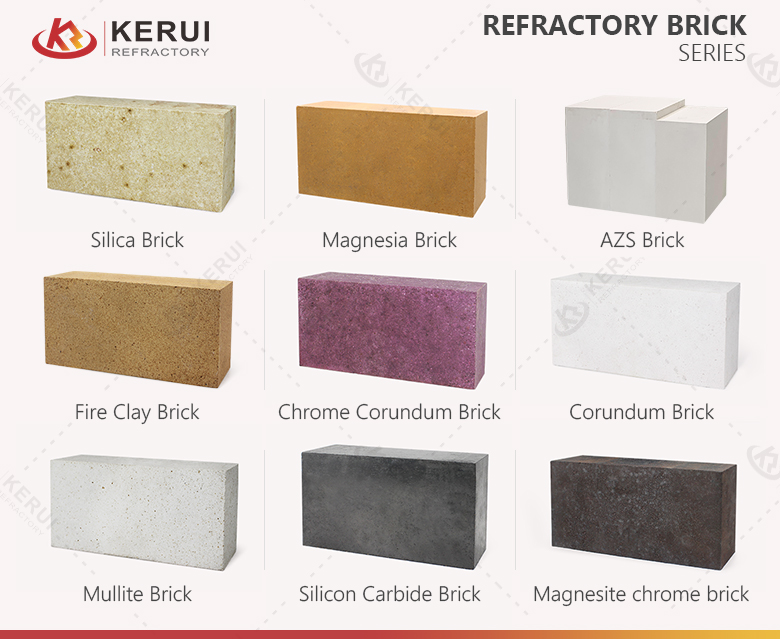
What Are Fused AZS Bricks?
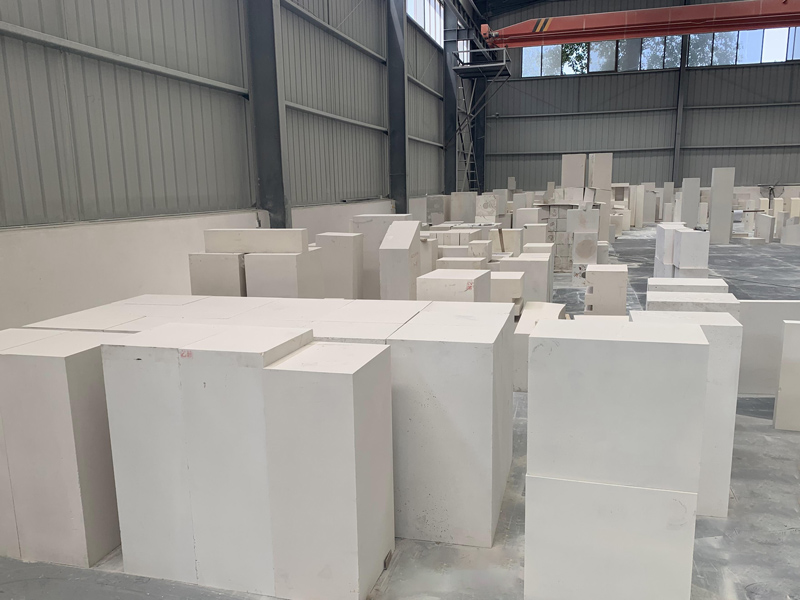
Fused AZS bricks are manufactured by electric arc melting high-purity alumina, zirconia, and silica raw materials, followed by controlled casting and annealing. This process forms a dense crystalline structure with extremely low porosity and excellent resistance to molten glass corrosion. Compared with conventional refractory bricks, Fused AZS bricks provide longer furnace campaign life, improved structural stability, and reduced glass defect risks.
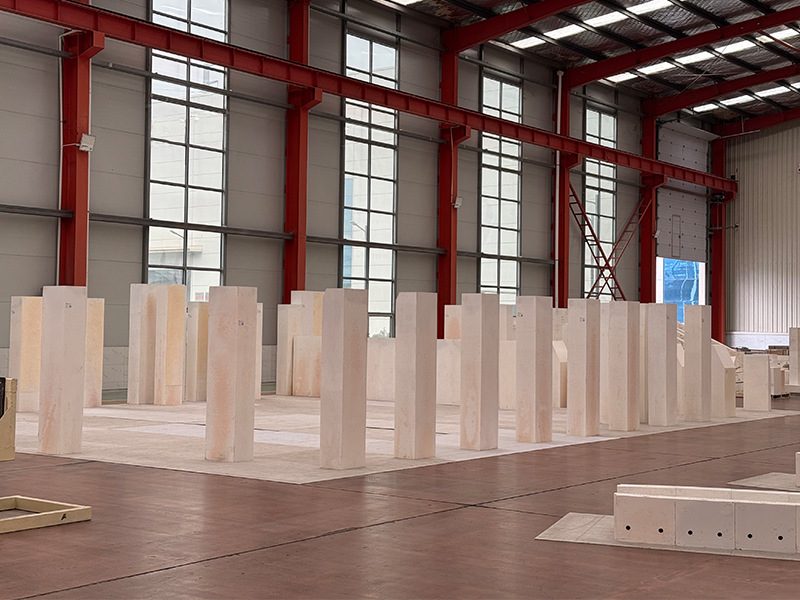
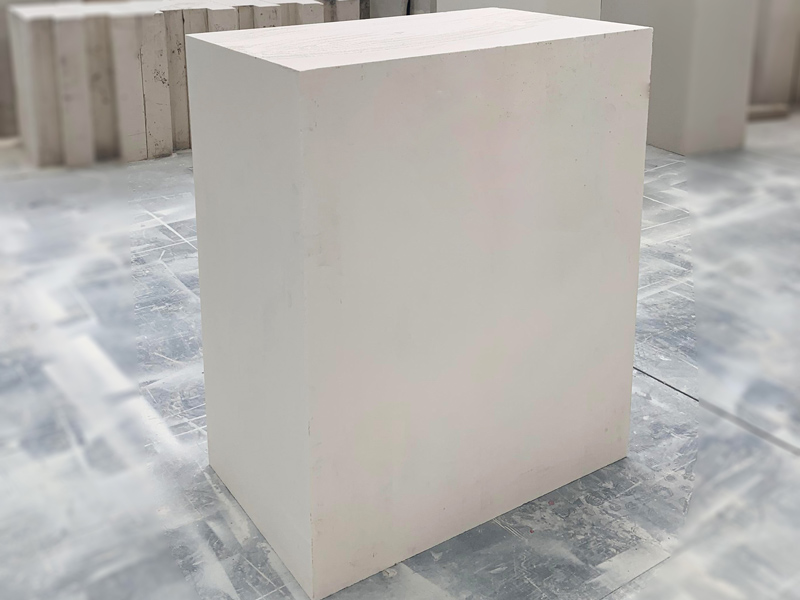
Key Properties of Fused AZS Bricks
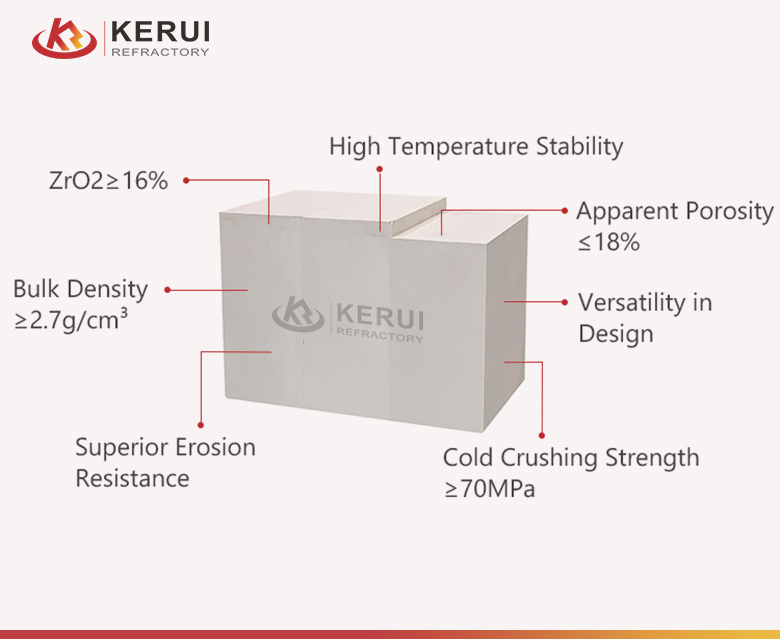
Kerui Fused AZS Bricks are manufactured for demanding glass furnace applications where corrosion resistance, thermal stability, and long service life are essential. These properties make them a preferred choice among high-performance refractory bricks for glass melting furnaces worldwide.
| Grade | Al₂O₃ (%) | ZrO₂ (%) | SiO₂ (%) | Glass Phase (%) | Max Service Temp |
|---|---|---|---|---|---|
| AZS 33 | 32–35 | 32–35 | 14–17 | 18–22 | 1700–1750°C |
| AZS 36 | 47–50 | 32–35 | 13–15 | 15–18 | 1750–1780°C |
| AZS 41 | 45–48 | 40–42 | 11–13 | 10–13 | 1780–1850°C |
Provides excellent resistance to molten glass erosion and chemical attack in severe high-temperature furnace environments.
Extends furnace campaign duration, reduces maintenance frequency, and helps lower overall refractory replacement costs.
Limits molten glass penetration and helps prevent structural degradation during long-term furnace operation.
Maintains stable performance under continuous heating and cooling cycles in demanding glass melting applications.
Applications in Glass Furnace
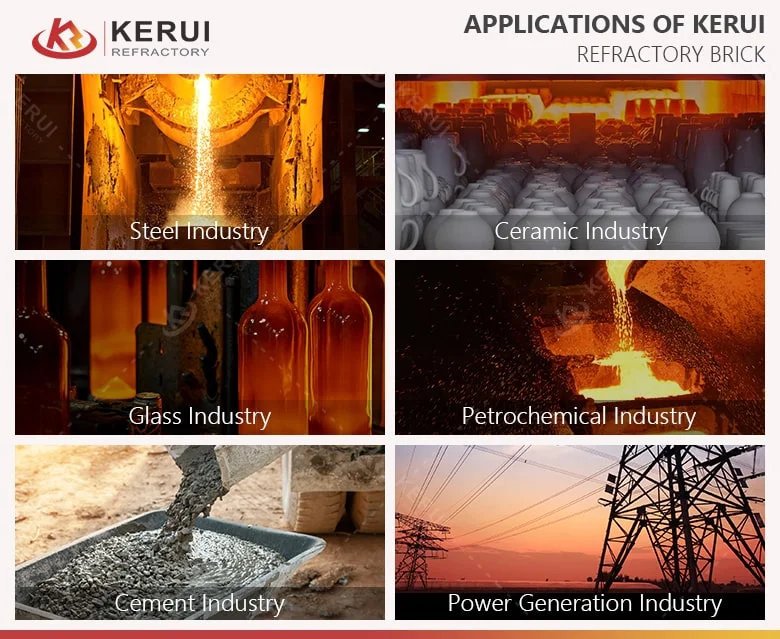
Fused AZS bricks are widely used in high-temperature glass furnace zones where severe corrosion and thermal stress occur, including sidewalls, working ends, throats, forehearth channels, and regenerator transition areas.


Learn full glass furnace system →
Glass Quality Protection
High-quality Fused AZS Bricks play a critical role in maintaining glass clarity and production stability. As one of the most important refractory bricks used in glass furnaces, AZS blocks are designed to resist molten glass corrosion, reduce contamination, and keep the melting process stable over long campaigns. For float glass, container glass, and daily-use glass production, choosing the right AZS grade helps improve glass quality while lowering maintenance costs.
Minimizes solid inclusions caused by refractory erosion in molten glass contact zones, helping improve glass clarity and reduce defect rates.
Dense microstructure limits gas penetration and suppresses bubble formation during glass melting, supporting smoother and cleaner production.
Ensures stable molten glass flow in critical furnace areas and reduces cords, streaks, and other flow-related glass defects.
Furnace Campaign Life Extension
Compared with ordinary fire bricks, fused-cast AZS bricks offer much higher corrosion resistance in direct contact with molten glass. This allows the furnace lining to remain stable for longer periods, reducing shutdown frequency and improving overall plant productivity. In modern glass furnace design, AZS materials are widely used together with other refractory materials to achieve longer furnace campaigns and safer operation.
Reduces hot-face erosion and significantly extends glass furnace campaign life under continuous high-temperature operating conditions.
Minimizes unplanned maintenance shutdowns caused by refractory wear, structural damage, or molten glass leakage problems.
Maintains reliable performance in 24/7 glass melting environments while reducing long-term structural degradation and repair needs.
Energy Efficiency & Heat Stability
A stable thermal environment is essential for efficient glass melting. The dense structure of Fused AZS Bricks helps reduce heat loss and maintain uniform furnace temperatures, which can improve fuel efficiency and melting consistency. When combined with suitable insulating refractory bricks and backup linings, AZS blocks contribute to a more energy-efficient glass furnace system.
High-density AZS structure reduces thermal loss in furnace hot zones, helping improve overall heat retention efficiency.
Maintains consistent thermal conductivity and temperature distribution for more stable glass melting and refining conditions.
Helps reduce fuel consumption by improving furnace thermal stability and lowering temperature fluctuation during operation.
Furnace Safety & Structural Protection
In glass furnaces, refractory failure can lead to serious production losses and safety risks. Fused AZS Bricks provide strong protection against molten glass penetration and thermal stress, helping maintain lining integrity throughout the furnace campaign. This is why AZS blocks are widely used in critical furnace areas such as sidewalls, throats, and melting zones.
Strong corrosion resistance reduces the risk of molten glass penetration and helps protect the furnace from leakage damage.
Maintains lining integrity under repeated thermal cycling and mechanical stress in demanding glass furnace conditions.
Stable refractory performance helps avoid sudden furnace failures, emergency shutdowns, and costly unplanned production interruptions.
Manufacturing Process
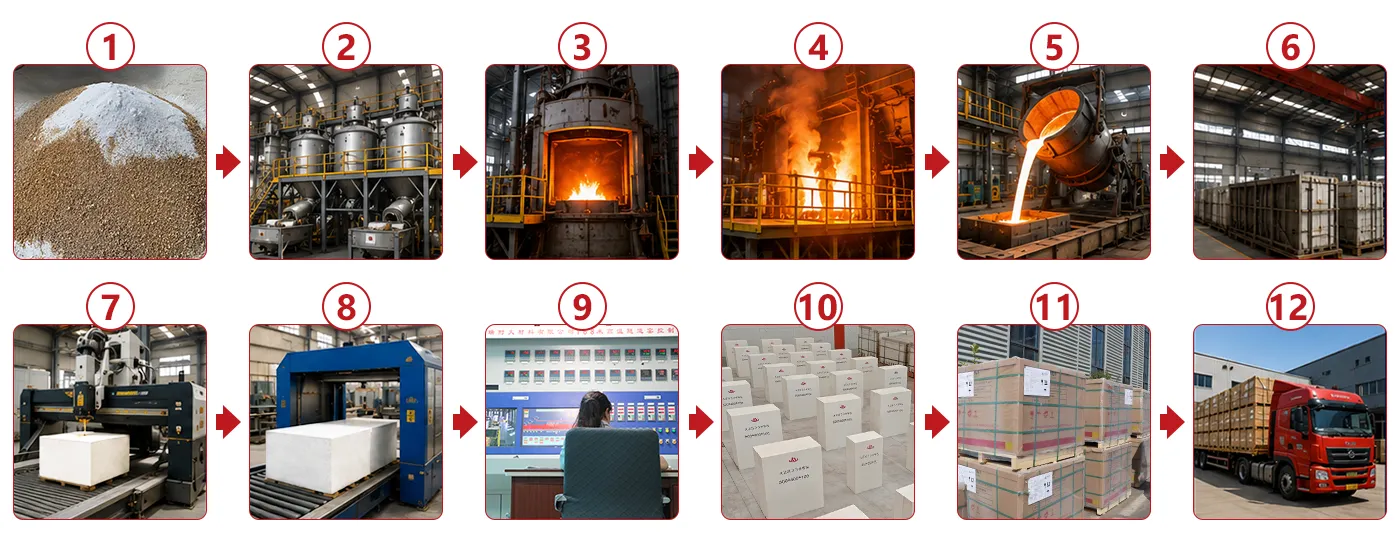
1. Raw Materials → 2. Automatic Batching → 3. Electric Arc Melting → 4. Melt Refining → 5. Casting → 6. Controlled Annealing → 7. Precision Machining → 8. Internal Inspection → 9. Quality Testing → 10. Packaging → 11. Storage → 12. Global Delivery
Quality Stability
Consistent quality is essential for extending furnace campaign life and maintaining stable glass production. Kerui applies strict quality control throughout the entire manufacturing process to ensure reliable performance from every batch of fused AZS bricks.
High-purity alumina and zirconia are carefully selected to ensure stable chemical composition and product consistency.
High-temperature electric arc melting creates a homogeneous structure and improves resistance to molten glass corrosion.
Precisely controlled annealing reduces internal stress and helps prevent cracking during long-term furnace operation.
Every production batch undergoes testing for density, structure, dimensions, and critical performance indicators.
Why Choose Kerui
At Kerui Refractory, we supply high-performance Fused AZS Bricks for float glass, container glass, and specialty glass furnaces. Our products are designed to work together with a full range of refractory materials, including insulating bricks, silica bricks, and monolithic refractories, providing complete furnace lining solutions for modern glass production.
Advanced fused-cast refractory production lines ensure stable quality, consistent microstructure, and high-volume manufacturing capacity. Our controlled melting and casting process delivers reliable performance for demanding glass furnace and high-temperature industrial applications.
Experienced refractory engineers provide full technical support, including material selection, furnace lining design recommendations, and application-specific solutions to optimize thermal efficiency and service life in industrial furnaces.
Our refractory products are supplied to more than 50 countries worldwide, serving glass, metallurgy, and high-temperature processing industries with stable logistics, export experience, and project-based delivery support.
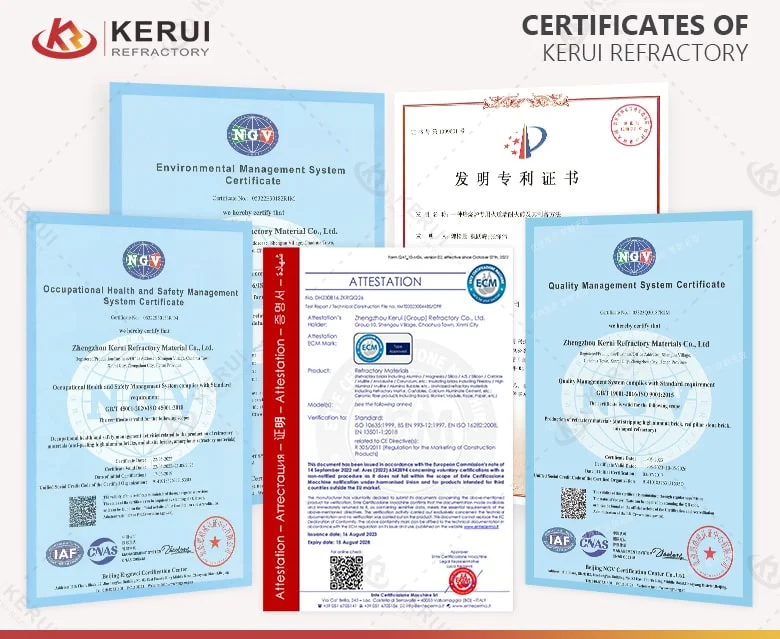
A strict multi-stage inspection system is implemented from raw materials to final shipment. Every batch is tested to ensure compliance with international standards for density, corrosion resistance, and thermal stability before delivery.


