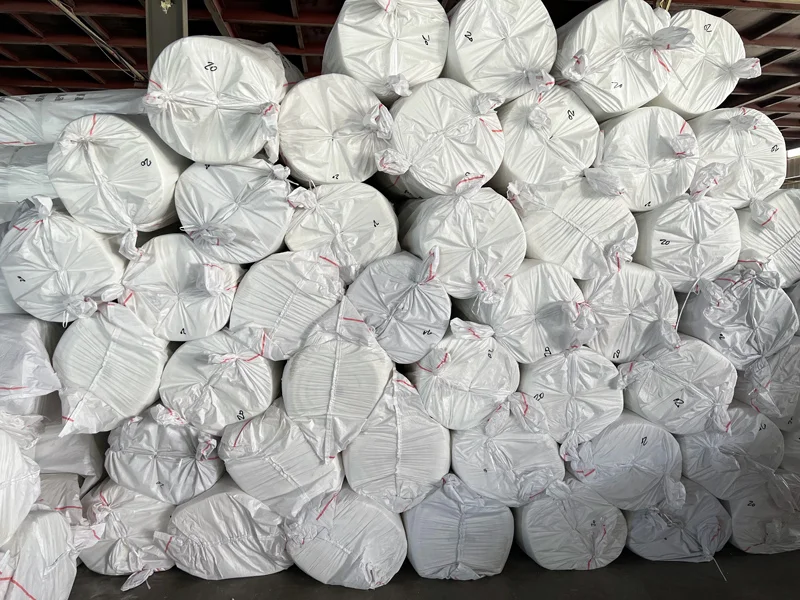
When it comes to high-temperature insulation, selecting the right material is crucial for efficiency, safety, and cost-effectiveness. Two widely used fabrics in industrial applications are ceramic fiber cloth and glass fiber cloth. Understanding their differences helps engineers and plant managers choose the most suitable insulation for their furnaces and equipment.
Material Composition and Temperature Resistance
Ceramic Fiber Cloth:
Made primarily from alumina-silica fibers, ceramic fiber cloth withstands extreme temperatures, typically up to 1260–1430°C. Its high-temperature resistance and low thermal conductivity make it ideal for furnace linings, kilns, and other high-heat applications.
Glass Fiber Cloth:
Produced from woven or chopped E-glass or C-glass fibers, glass fiber cloth generally tolerates temperatures up to 550°C (E-glass) or 650°C (C-glass). It is more suitable for moderate-temperature insulation, ductwork, or fireproofing in industrial settings.
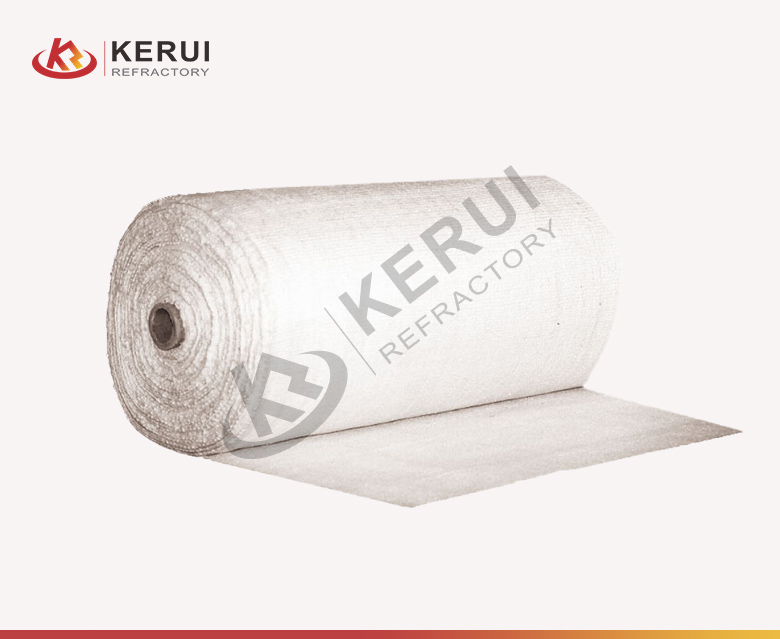
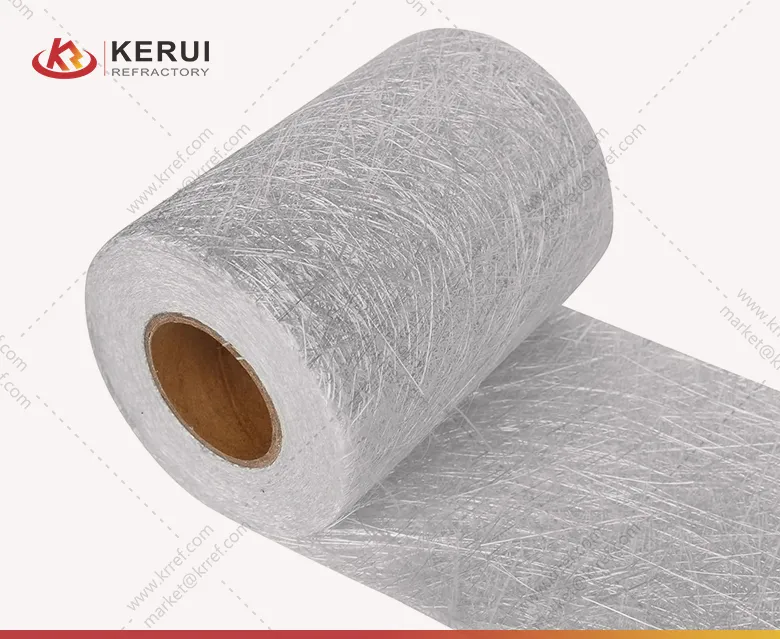
Kerui Refractory Note: We offer both ceramic and glass fiber fabrics tailored to your specific operating conditions, ensuring optimal thermal efficiency and durability.
Thermal and Mechanical Properties
| Property | Ceramic Fiber Cloth | Glass Fiber Cloth |
| Maximum Service Temperature | 650/1000/1300°C | 550–650°C |
| Thermal Conductivity | 0.12–0.18 W/m·K | 0.04–0.05 W/m·K |
| Flexibility | Moderate | High |
| Abrasion Resistance | High | Moderate |
| Density | 500–600 kg/m³ | 800–1000 kg/m³ |
Typical Industrial Applications
- Furnace and kiln linings
- Heat shields and high-temperature curtains
- Expansion joint insulation
- Insulation blankets for molten metal processing
- Moderate-temperature duct insulation
- Fireproofing panels and barriers
- Pipe and equipment wrapping
- Electrical insulation in low-heat applications
Kerui Refractory customizes fabric thickness, density, and weave to match your application, ensuring energy savings, safety, and extended service life.
Choosing the Right Fabric for Your Needs
Selecting between ceramic and glass fiber fabrics depends on:
- Operating Temperature – Ceramic for >1200°C, Glass for <650°C
- Mechanical Stress – Ceramic for abrasion resistance, Glass for flexibility
- Chemical Exposure – Ceramic resists alkali and acidic vapors; Glass is less resistant
- Installation Requirements – Glass fiber is easier to handle and cut, reducing labor costs
Provide your key operating conditions to your supplier:
- Maximum and average temperatures (necessary)
- Contact with chemicals or molten metal (necessary)
- Thermal cycling frequency (recommended)
- Mechanical stress or abrasion (recommended)
- Required insulation thickness (optional)
Kerui Refractory engineers can recommend the optimal fabric type, thickness, and density based on these conditions.
Practical Advice from Kerui Refractory
When specifying your insulation:
- Avoid choosing based solely on price or appearance.
- Consider long-term service life, thermal efficiency, and safety.
- Work with a supplier who can customize the material based on real-world operating data.
Next Steps: Contact Kerui Refractory today to discuss your furnace or equipment requirements. Our experts will help you select the proper ceramic or glass fiber fabric, provide technical specifications, and even offer samples for testing. Ensure your insulation delivers maximum performance and reliability.


