When buyers compare refractory suppliers, a product specification sheet is only part of the decision. They also want to know how materials are checked, how production is controlled, and what happens before an order is packed for shipment. At Kerui Refractory, quality checks are built into the manufacturing process, from raw material selection to finished product inspection. The exact checks depend on the product type and the customer’s technical requirements.
Checking materials before production
Refractory products rely on carefully selected raw materials and a consistent particle size distribution. Before production, materials can be checked for chemical composition and other relevant properties. This helps identify whether incoming materials meet the requirements for the intended formulation. For shaped products such as refractory bricks, preparation also includes crushing, screening and batching. Accurate batching helps keep the mix consistent from one production run to another.
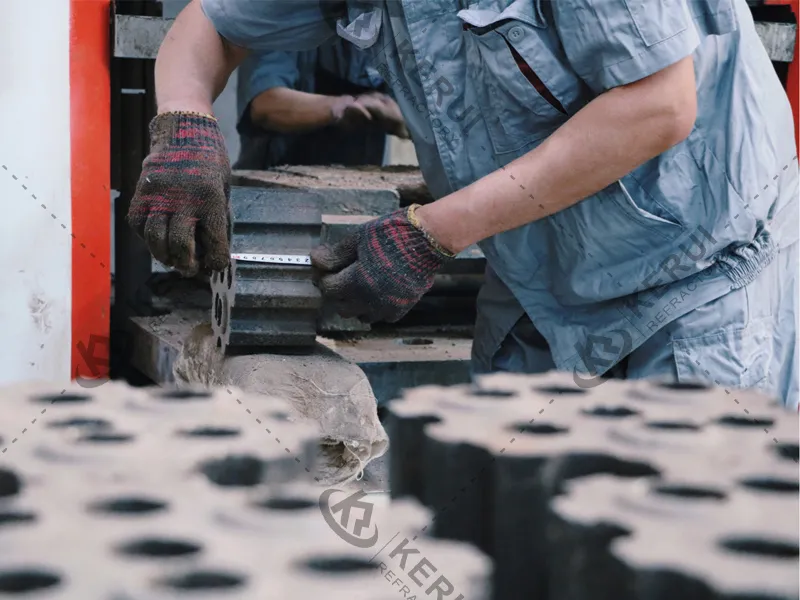
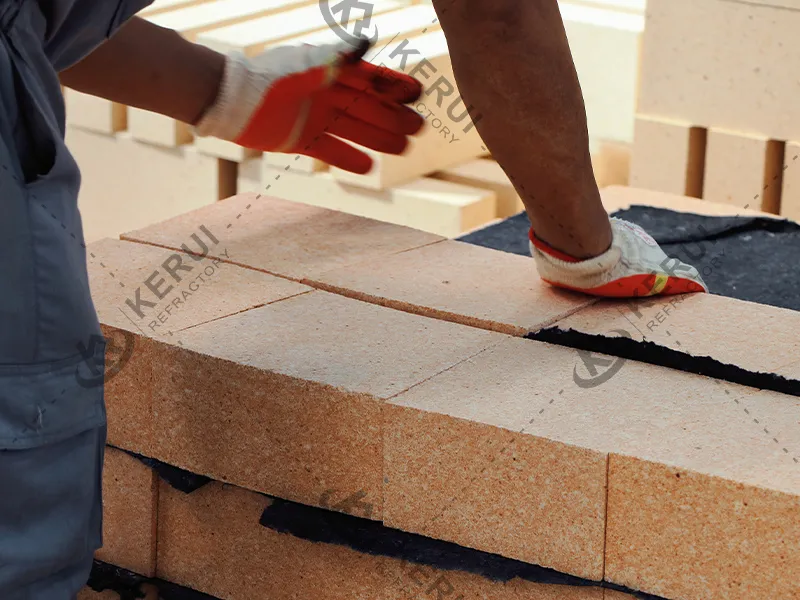
Keeping production parameters under control
After batching, the mixture moves through forming and production steps suited to the product. For refractory bricks, this may include pressing, drying and sintering. For monolithic materials, mixing and packaging requirements differ. Kerui’s monolithic refractory products include castables and other unshaped materials. Their quality checks may focus on factors such as particle grading, moisture, density, packaging weight and final batch inspection. The relevant process depends on the formulation and intended application.
Testing properties that matter in service
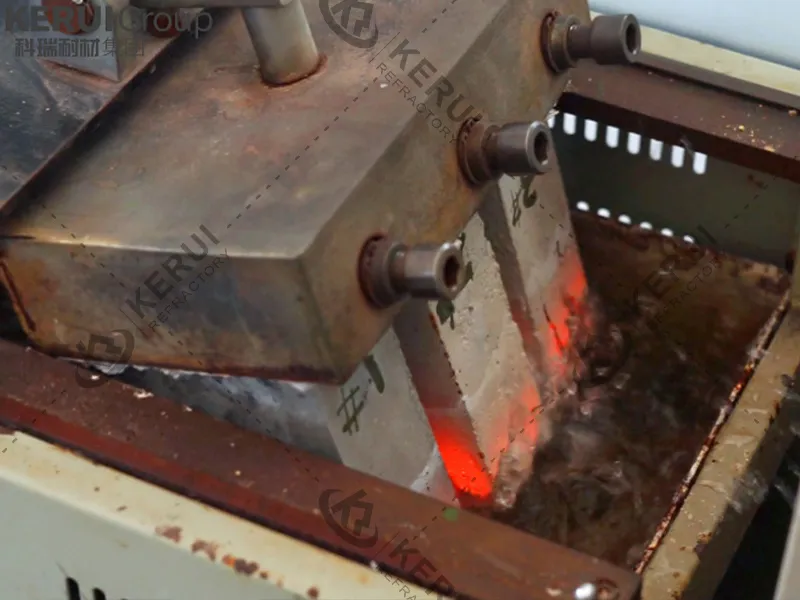
A refractory product must match the conditions where it will be used. Depending on the product and specification, inspection may include chemical composition, bulk density, porosity, compressive strength, refractoriness under load or thermal shock resistance.
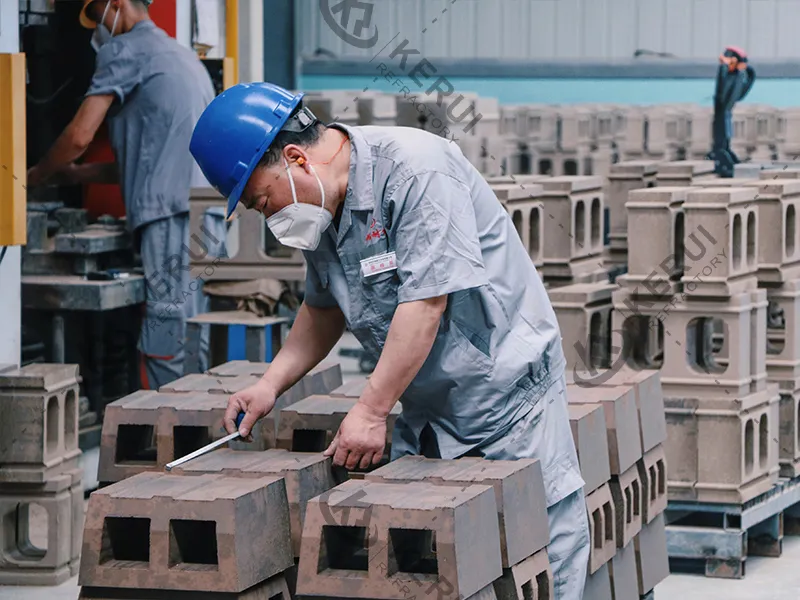
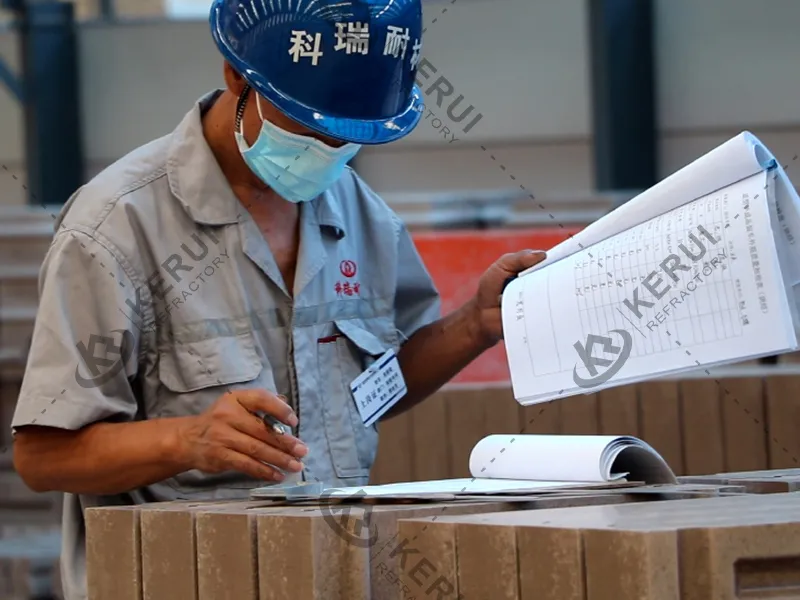
These tests help buyers assess whether a material is suitable for a particular furnace zone or operating environment. For example, a steelmaking application and a glass furnace may place different demands on the lining. Kerui’s steel industry solutions and glass industry solutions provide product and application context for these different conditions.
Inspecting finished products before packing
Before dispatch, finished refractory products can be checked against the order’s technical requirements. For bricks, this may include dimensions, appearance and selected physical or chemical indicators. Packaging also matters: it should protect the products during handling and transport and make identification easier at the receiving site.
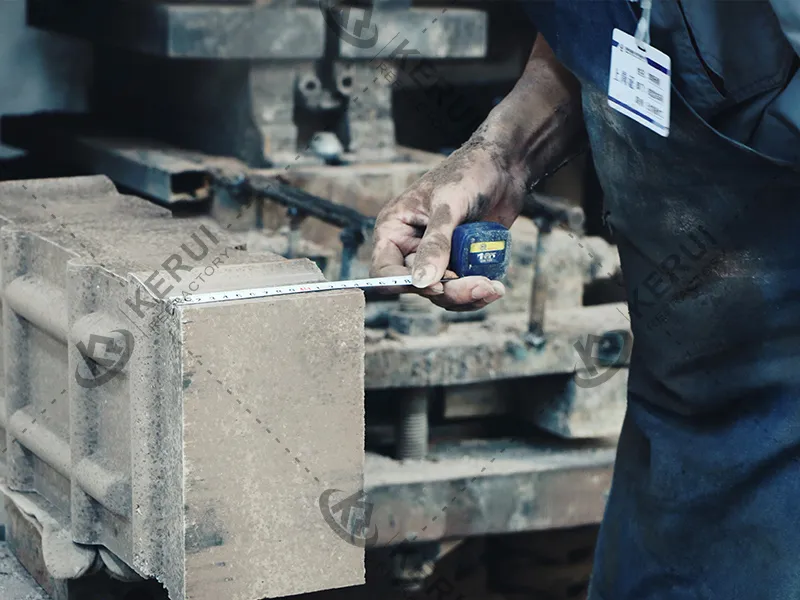
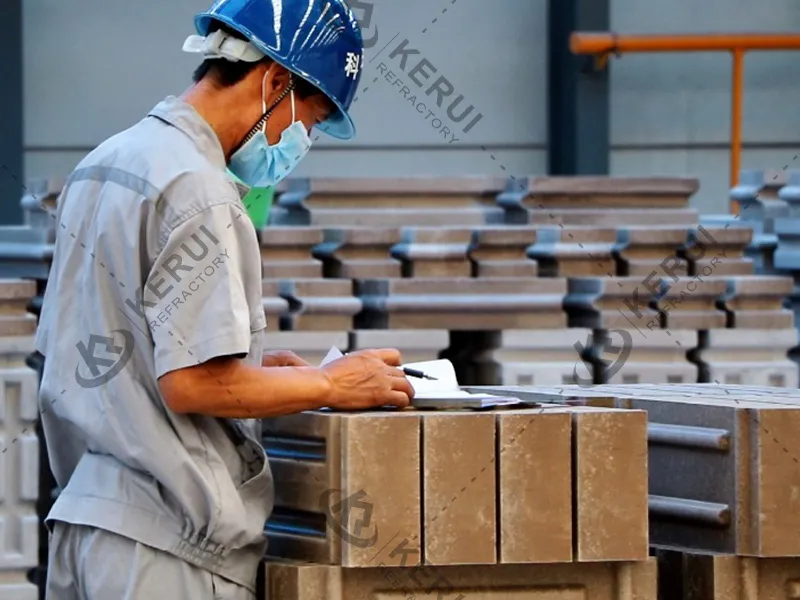
For international orders, buyers can discuss inspection records, test reports and any third-party inspection requirements with the Kerui team before production begins. This helps align documentation with the purchase specification and the customer’s receiving process.
What buyers can confirm before placing an order
A clear specification makes quality control easier to plan. Buyers can provide the product type, application, operating temperature, required dimensions, drawings, quantity and any inspection or reporting requirements. Kerui’s product range covers shaped and unshaped refractories, while the Refractory Q&A answers common questions about manufacturing, testing and customization.
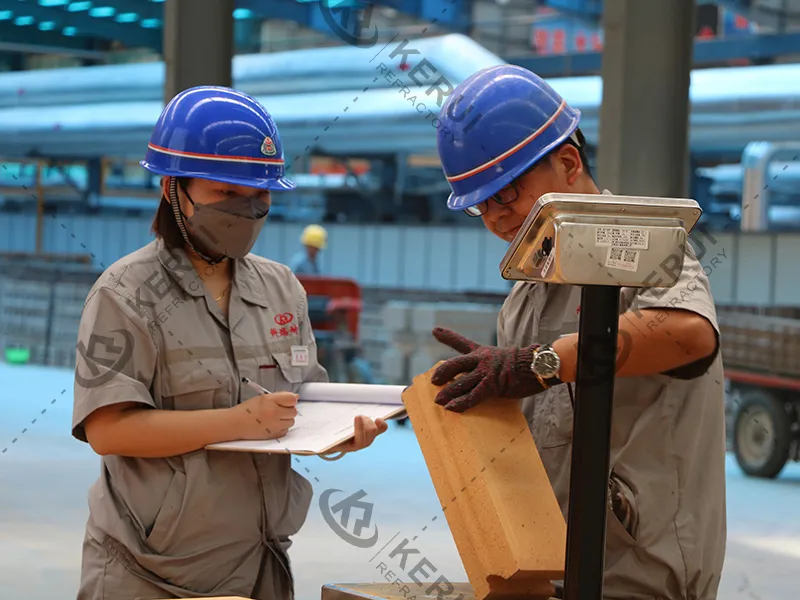
To discuss a specific grade or arrange a factory visit, contact Kerui with your application details and the checks you would like to review.


