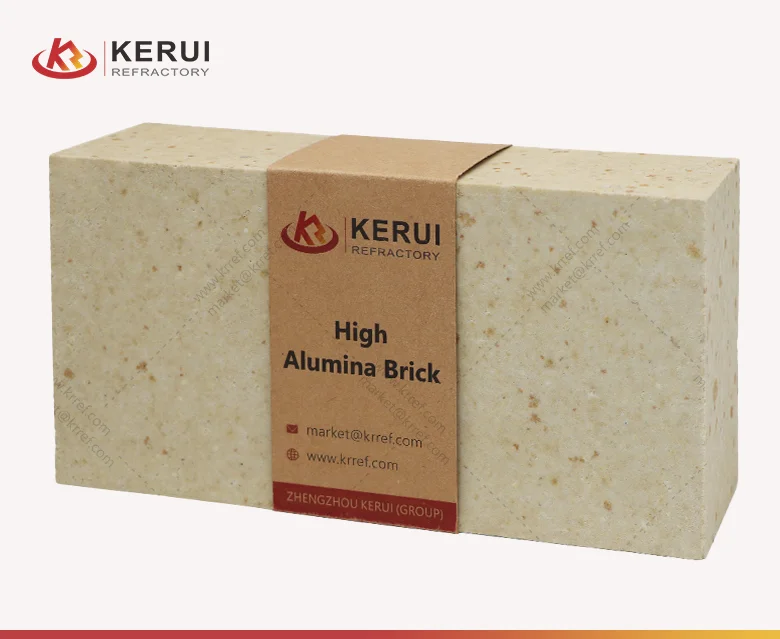
High alumina brick is one of the most widely used refractory bricks in industrial furnaces. From steel ladles to cement kilns, from glass furnaces to heat-treatment equipment, it remains a core material in high-temperature lining systems.
However, selecting high alumina bricks is not simply about choosing the highest Al₂O₃ content available. Different furnace zones operate under very different thermal, chemical, and mechanical conditions. The correct grade must match the function of each zone—not just the maximum temperature.
This guide explains how to select the right high alumina brick grade based on real furnace working conditions.
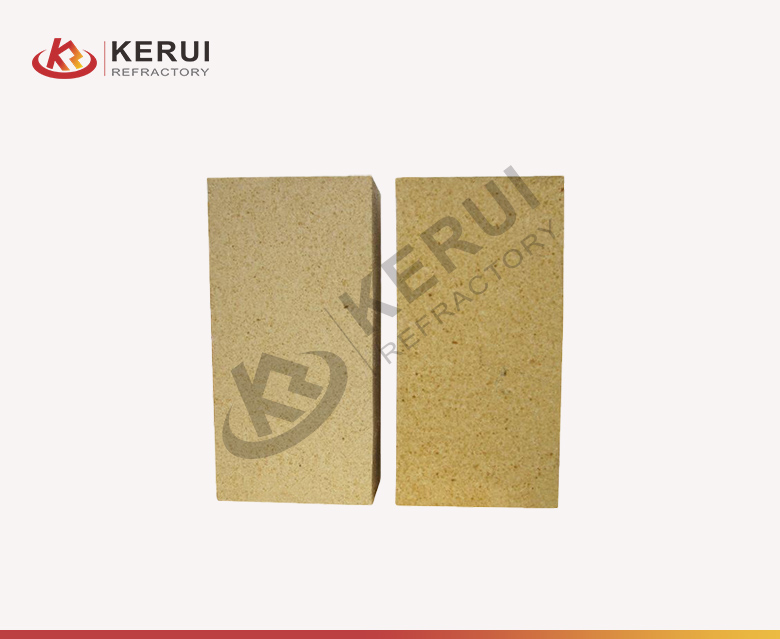
Understanding High Alumina Brick Classification
High alumina bricks are typically classified by their Al₂O₃ content, commonly:
- 55–60% Al₂O₃
- 65–70% Al₂O₃
- 75–80% Al₂O₃
- 85%+ Al₂O₃
While alumina content influences refractoriness and corrosion resistance, it does not automatically determine overall service performance. Other critical factors include:
- Mineral phase composition
- Apparent porosity
- Bulk density
- Cold crushing strength
- Refractoriness under load (RUL)
- Thermal shock resistance
At Kerui Refractory, grade recommendation always starts from operating conditions rather than a fixed alumina percentage.
Furnace Zone-Based Selection Method
Instead of selecting by grade alone, it is more practical to divide the furnace into functional zones.
1. Hot Face Zones (Direct Flame or Molten Contact)
Typical conditions:
- Maximum temperature exposure
- Slag, molten metal, or aggressive gas contact
- High thermal load
Recommended characteristics:
- Higher Al₂O₃ content (70–85%)
- Low porosity
- High RUL
- Strong slag resistance
In steel and cement applications, these areas require dense high alumina bricks capable of resisting chemical attack and structural deformation at elevated temperatures.
2. Transition Zones (Thermal Gradient Areas)
Typical conditions:
- Moderate temperature
- Repeated heating and cooling
- Mechanical stress due to expansion
Recommended characteristics:
- Balanced alumina level (60–75%)
- Improved thermal shock resistance
- Controlled density
In these areas, extremely high alumina content may reduce thermal shock stability. A balanced microstructure often delivers longer service life.
3. Backup or Insulation Support Zones
Typical conditions:
- Lower temperature
- Structural support role
- Limited chemical attack
Recommended characteristics:
- Moderate Al₂O₃ content (55–65%)
- Lower thermal conductivity
- Adequate mechanical strength
Using overly high-grade bricks in these zones increases cost without meaningful performance gain.
Why “Highest Grade” Is Not Always the Best Option
In many industrial projects, over-specification is common. Selecting 85% Al₂O₃ bricks throughout the entire furnace may seem safe, but it often leads to:
- Unnecessary material cost
- Reduced thermal shock resistance in cycling areas
- Imbalanced lining design
Engineering efficiency comes from allocating performance where it is truly needed.
Kerui Refractory frequently supports clients by redesigning lining systems to optimize grade distribution rather than simply upgrading material purity.
Key Technical Indicators to Evaluate
When discussing high alumina brick selection with your supplier, consider these parameters together:
- Refractoriness under load (RUL)
- Permanent linear change (PLC)
- Apparent porosity and bulk density balance
- Thermal shock resistance cycles
- Chemical compatibility with slag or atmosphere
A brick that performs well in laboratory compression tests may still fail early if the thermal cycling resistance is insufficient for your furnace.
Practical Selection Workflow
To obtain an accurate recommendation, provide:
- Maximum operating temperature
- Heating and cooling frequency
- Slag or molten material composition
- Furnace atmosphere (oxidizing / reducing)
- Expected campaign life
With this data, manufacturers such as Kerui Refractory can propose tailored high alumina brick grades designed around service conditions rather than catalog labels.
Engineering Fit Over Specification Extremes
High alumina brick selection is a matter of matching material behavior with furnace function. Each zone inside a furnace has its own stress profile, chemical exposure, and temperature dynamics.
A properly engineered lining system distributes performance intelligently—using higher grades only where necessary and balanced grades where appropriate.
When high alumina bricks are selected based on operating reality instead of specification extremes, furnace stability improves, maintenance intervals extend, and total operating cost decreases. For more details, check: https://krref.com/fire-brick/high-alumina/


