


Alumina Silicon Carbide Brick (ASC)
According to the standard classification, refractory bricks with an Al2O3 content of more than 48% are referred to high alumina bricks. As an experienced refractory brick supplier in China, Kerui provides outstanding high alumina refractory bricks for sale.
-
55–75
Al2O3% (≥)
-
7–15
SiC% (≥)
-
2.70–3.20
Bulk Density (MPa)
-
1400–1650
Working Temperature (℃)

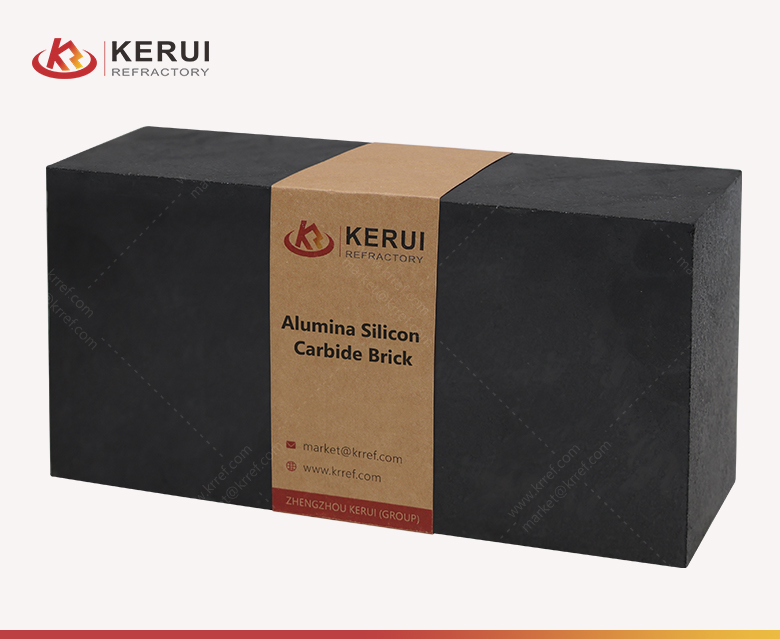
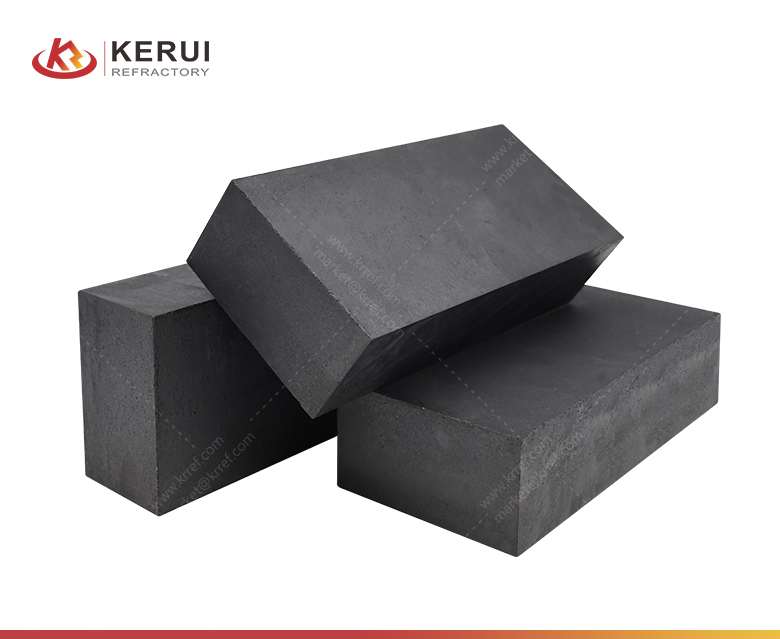
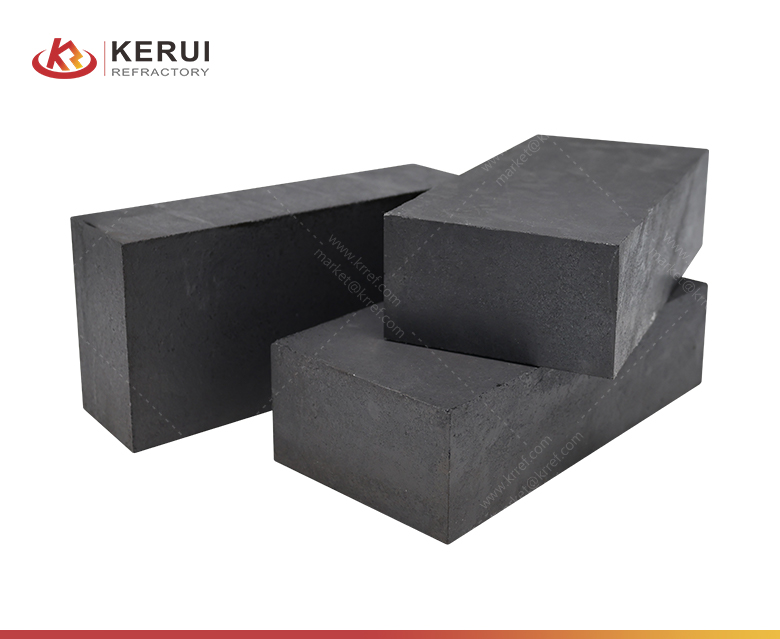
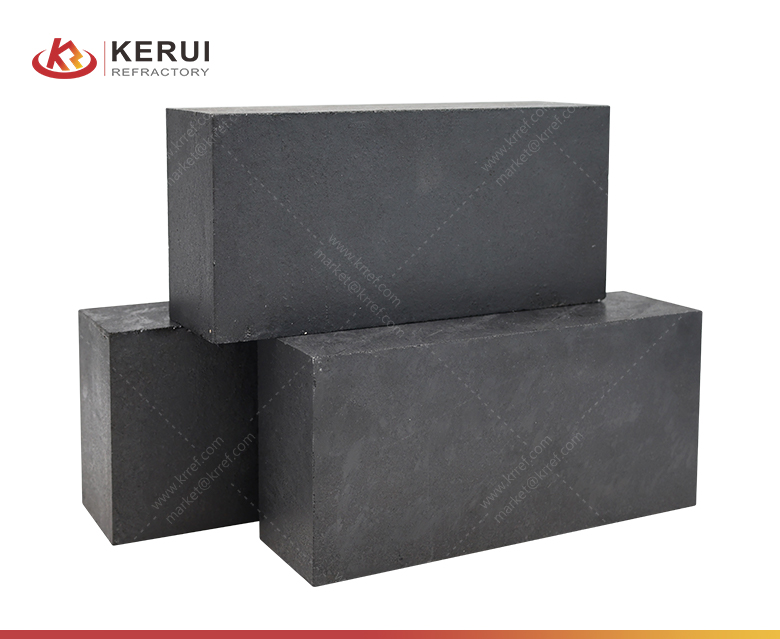
What is ASC Brick?
ASC Brick (Alumina Silicon Carbide Carbon Brick) combine the excellent properties of High Alumina Bricks and Silicon Carbide Bricks, providing excellent resistance to wear, corrosion and thermal shock. By combining the advantages of alumina, silicon carbide and carbon, ASC bricks provide excellent resistance to molten metal erosion, slag corrosion, thermal shock and mechanical wear. Compared with conventional high alumina bricks, ASC bricks offer improved performance in severe industrial environments where refractory linings are exposed to high-temperature molten materials, strong erosion and chemical attack. ASC bricks are widely used in iron and steel industries, especially for blast furnace iron runners, hot metal handling equipment and other metallurgical applications.
Composition of ASC Brick
The performance of ASC bricks mainly depends on the optimized combination of three components.
Alumina provides the basic refractory structure of ASC bricks and ensures stable performance under high-temperature conditions.
- High refractoriness
- Excellent high-temperature strength
- Good chemical stability
- Resistance to deformation under load
The alumina matrix forms the main structural framework and supports the overall strength of ASC bricks.
Silicon carbide enhances the resistance of ASC bricks against mechanical wear and chemical attack during service.
- Wear resistance
- Thermal conductivity
- Thermal shock resistance
- Corrosion resistance
The high hardness and chemical stability of SiC help ASC bricks withstand erosion from molten iron, slag and abrasive materials.
Carbon plays an important role in traditional ASC bricks by improving resistance to molten materials and thermal stress.
It provides:
- Low wettability against molten slag
- Reduced molten metal penetration
- Improved thermal shock resistance
- Better resistance to thermal spalling
The carbon component helps protect the brick structure and extends service life in severe metallurgical conditions.
Typical Technical Data of ASC Brick
| Property | Unit | GLT-8 | GLT-10 | GLT-13 | GLT-16A | GLT-16B |
|---|---|---|---|---|---|---|
| Al₂O₃ (min.) | % | 65 | 60 | 58 | 65 | 55 |
| SiC (min.) | % | 8 | 10 | 13 | 16 | 16 |
| Apparent Porosity (max.) | % | 18 | 17 | 17 | 17 | 17 |
| Bulk Density (min.) | g/cm³ | 2.8 | 2.85 | 2.85 | 2.85 | 2.85 |
| Cold Crushing Strength (min.) | MPa | 90 | 100 | 100 | 100 | 100 |
| Refractoriness Under Load (min.) | °C | 1530 | 1550 | 1570 | 1600 | 1580 |
| Note: These values refer to the current standard YB/T 4167-2007; the updated version YB/T 4167-2026 will take effect on November 1, 2026, with similar requirements. | ||||||
Carbon-Free and Low Carbon Alumina Silicon Carbide Brick
Besides traditional carbon-containing ASC bricks, carbon-free and low-carbon alumina silicon carbide bricks have also been developed for advanced steelmaking applications.
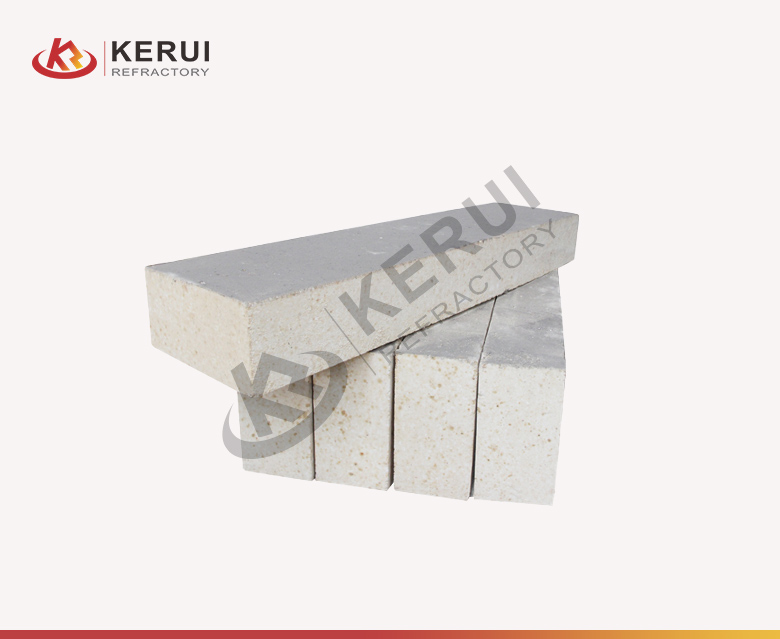
Carbon in traditional ASC bricks improves thermal shock resistance and slag resistance. However, in clean steel and ultra-clean steel production, carbon transfer from refractory materials into molten steel may affect steel quality.
Therefore, carbon-free or low-carbon alumina silicon carbide bricks are designed to:
- Reduce carbon pickup in molten steel
- Improve steel cleanliness
- Meet high-quality steel production requirements
Carbon-free ASC bricks do not simply remove carbon. Instead, advanced material designs are used to maintain refractory performance.
Alternative reinforcing phases may include:
- Silicon carbide (SiC)
- Silicon nitride (Si₃N₄)
- Sialon materials
- Other ceramic reinforcing phases
These materials help maintain:
- Thermal shock resistance
- Mechanical strength
- Corrosion resistance
- High-temperature stability
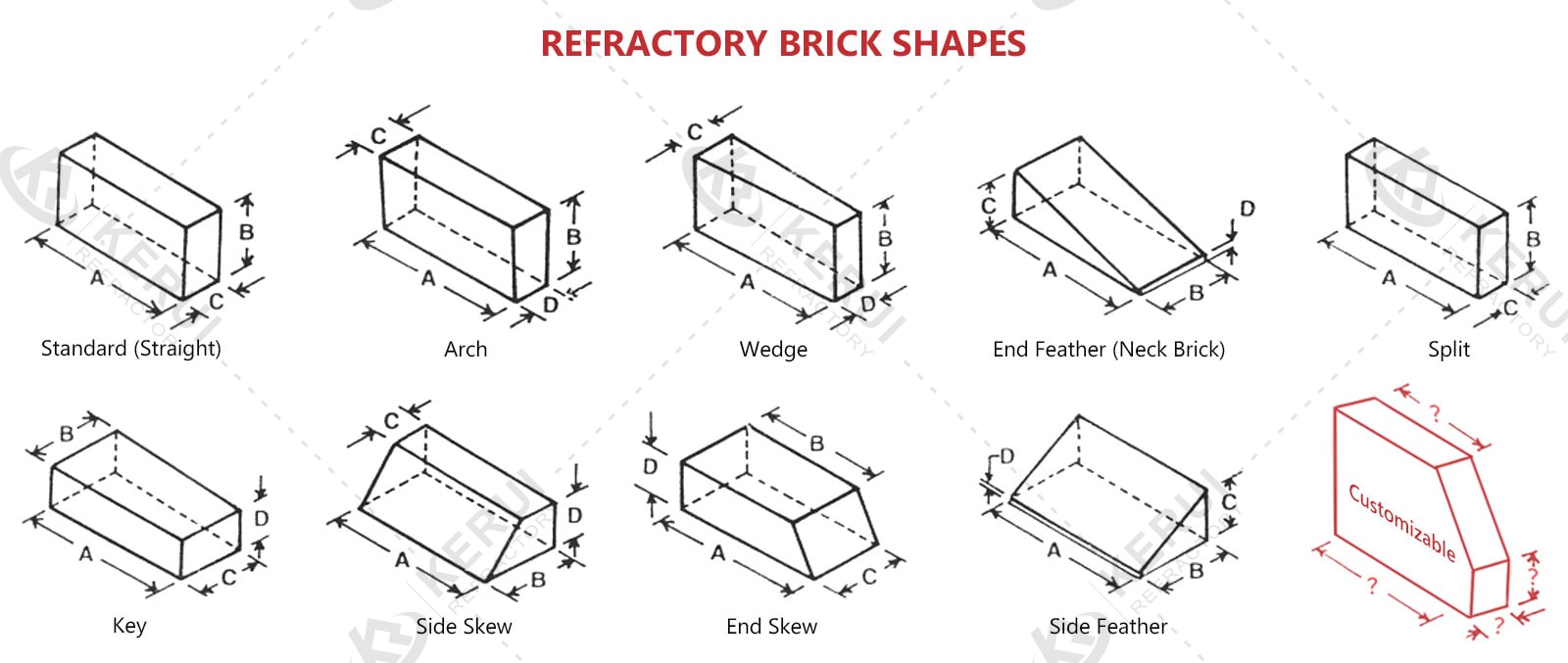
Benefits of ASC Brick
ASC bricks are especially suitable for areas exposed to molten iron and steel.
The combination of alumina and silicon carbide provides:
- Strong erosion resistance
- Reduced structural damage
- Longer lining life
Carbon and silicon carbide reduce slag penetration and chemical reaction.
ASC bricks can effectively resist:
- Iron slag
- Steel slag
- Metallurgical corrosion
Carbon and silicon carbide reduce slag penetration and chemical reaction.
ASC bricks can effectively resist:
- Iron slag
- Steel slag
- Metallurgical corrosion
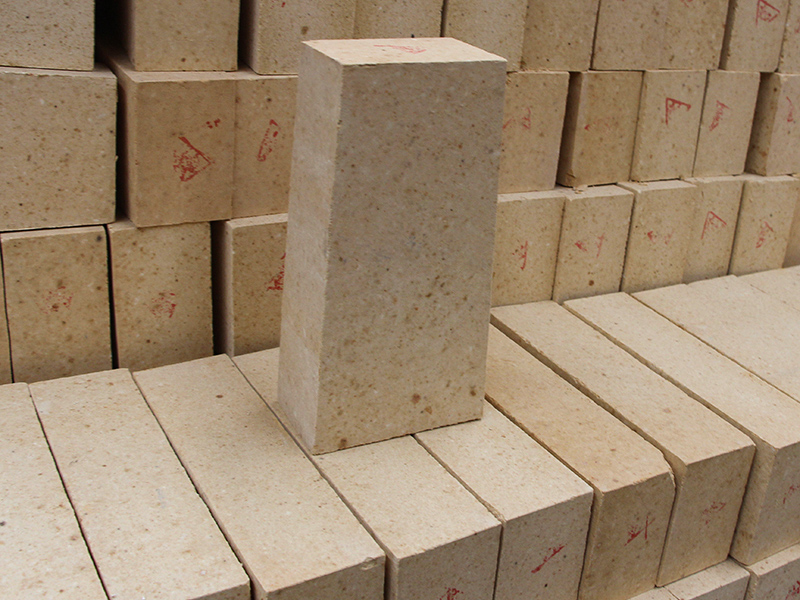
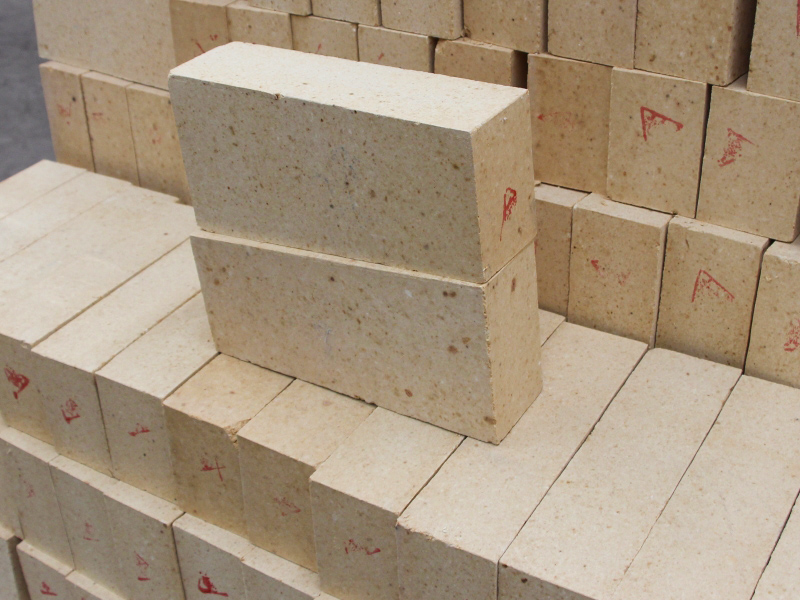
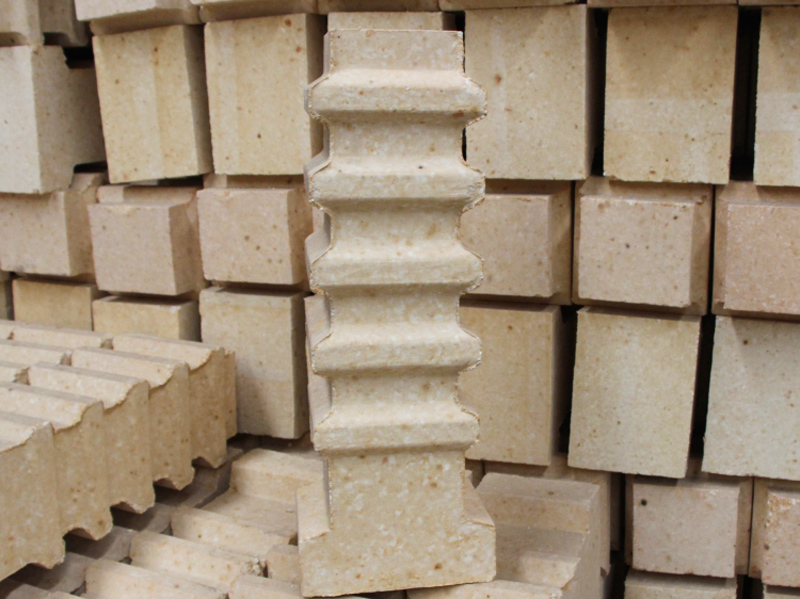
Applications of ASC Brick
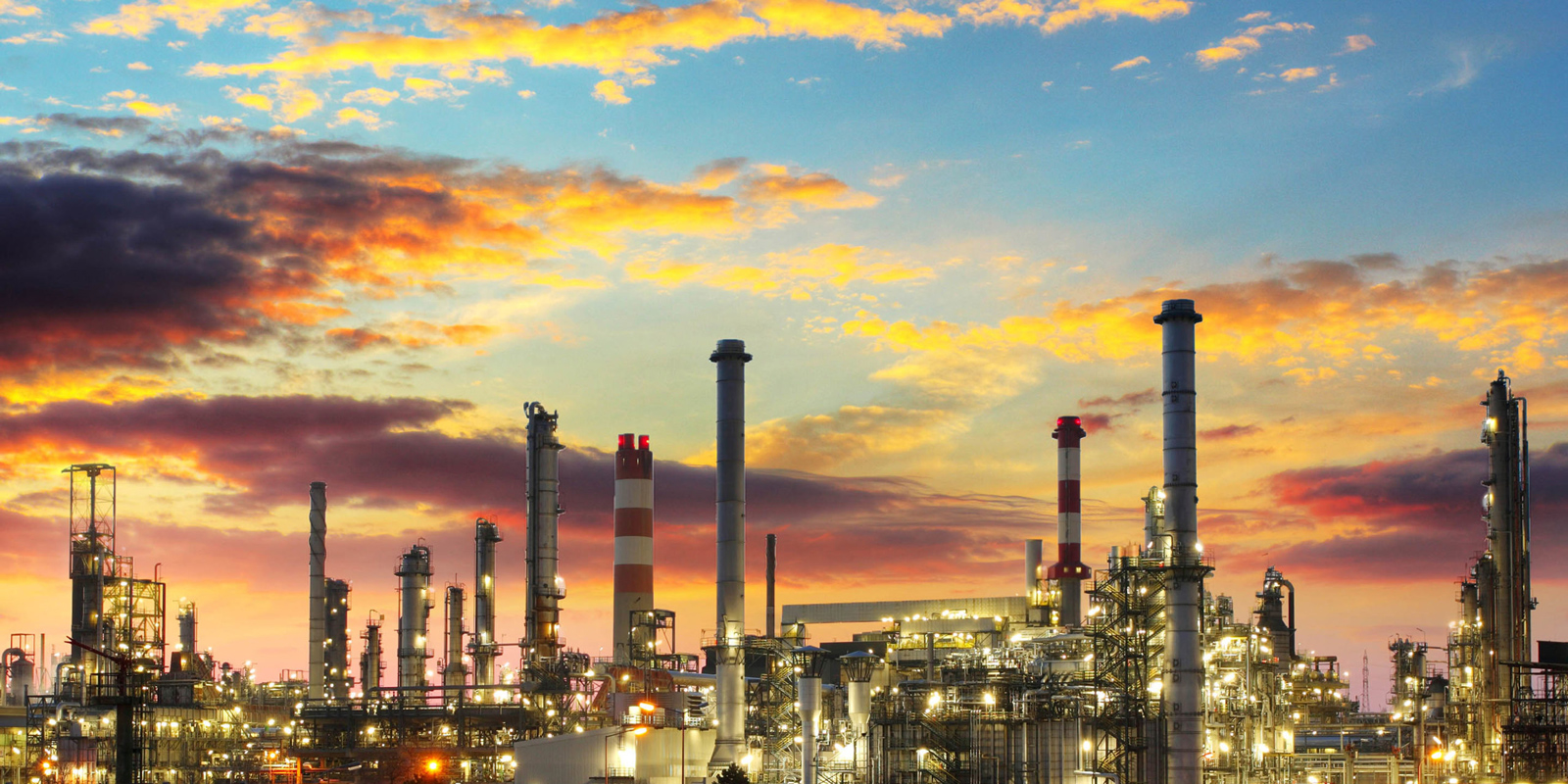
Iron and Steel Industry
ASC bricks are widely used in demanding metallurgical applications where refractory linings are exposed to molten iron, steel, slag erosion and repeated thermal cycling.
Typical applications:
- Blast furnace iron runners
- Hot metal ladles and torpedo ladles
- Steel ladles and high-erosion zones
Key advantages:
- Excellent resistance to molten metal and slag
- Superior thermal shock resistance
- High wear resistance and long service life
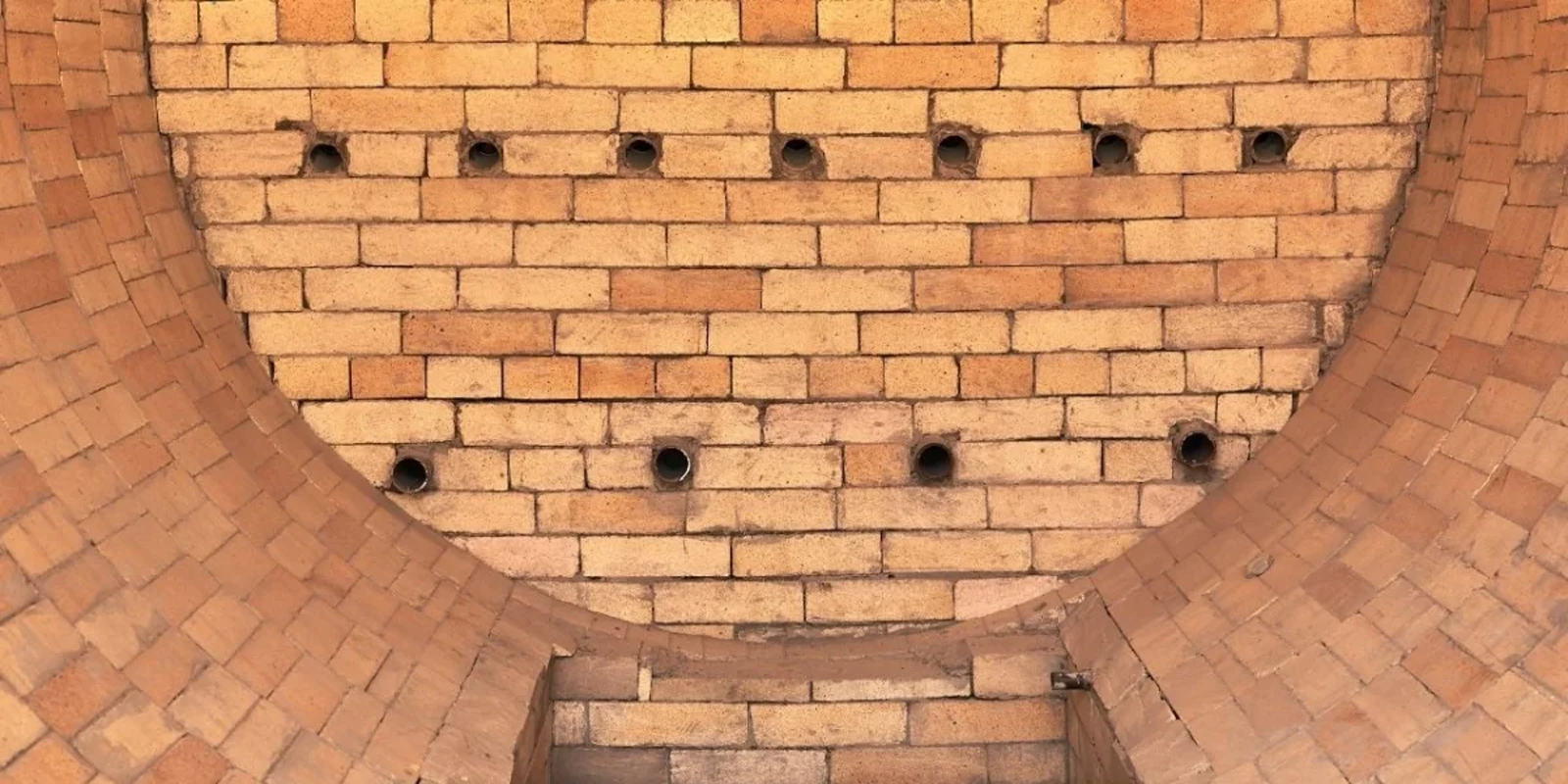
Cement Industry
ASC bricks are suitable for cement production areas where refractory linings must withstand high temperatures, clinker abrasion, alkali attack and continuous thermal stress.
Typical applications:
- Cement rotary kiln transition zones
- Cooling zones and high-wear areas
- Preheater and calciner systems
Key advantages:
- Excellent resistance to clinker abrasion
- Good resistance to chemical attack
- Stable performance under high temperatures
Non-Ferrous Metallurgy
ASC bricks can be used in non-ferrous metallurgical equipment exposed to high temperatures, molten materials, mechanical wear and chemical corrosion during continuous operation.
Typical applications:
- Aluminum and copper smelting furnaces
- Molten metal handling equipment
- Other high-temperature metallurgical furnaces
Key advantages:
- Good resistance to molten material erosion
- Excellent wear and corrosion resistance
- Stable performance under severe conditions
Competitive ASC Brick Price from Kerui
As a professional ASC brick manufacturer, Kerui offers competitive prices for high-quality alumina silicon carbide carbon bricks. With direct factory production, we can effectively control manufacturing costs and reduce unnecessary intermediate links, helping customers save both time and procurement costs.
The price of ASC bricks depends on factors such as grade, Al₂O₃ and SiC content, carbon content, size, shape and order quantity. For larger projects or long-term cooperation, Kerui can provide more competitive pricing based on specific requirements.
Contact Kerui Refractory today to get the latest ASC brick quotation and technical information.
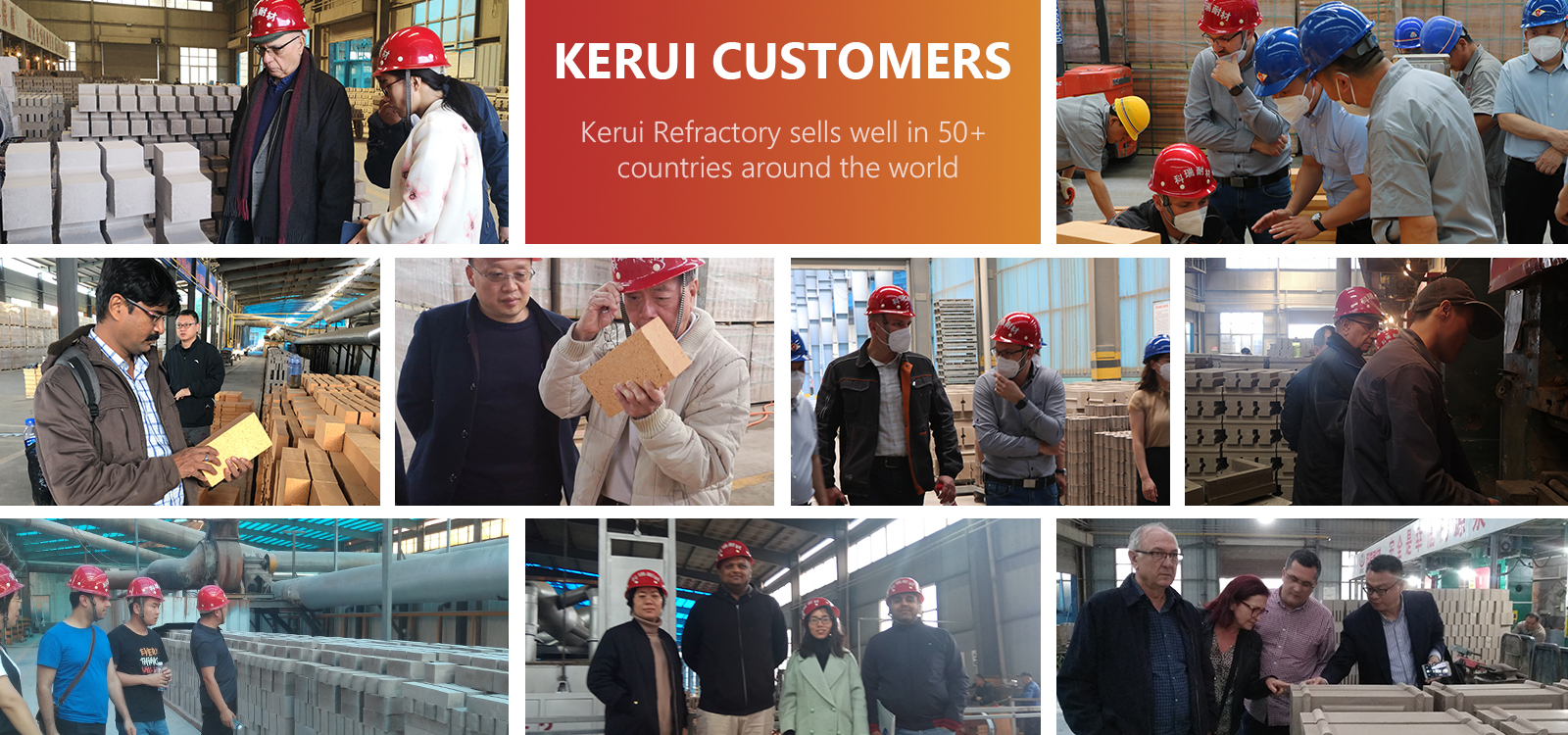
Why Choose Kerui ASC Bricks?
Kerui operates a modern refractory production facility in Xinmi, Henan, with an annual production capacity of 150,000 tons of shaped refractory products. Advanced batching, pressing and firing equipment supports stable production and consistent quality for ASC bricks and other industrial refractory products.
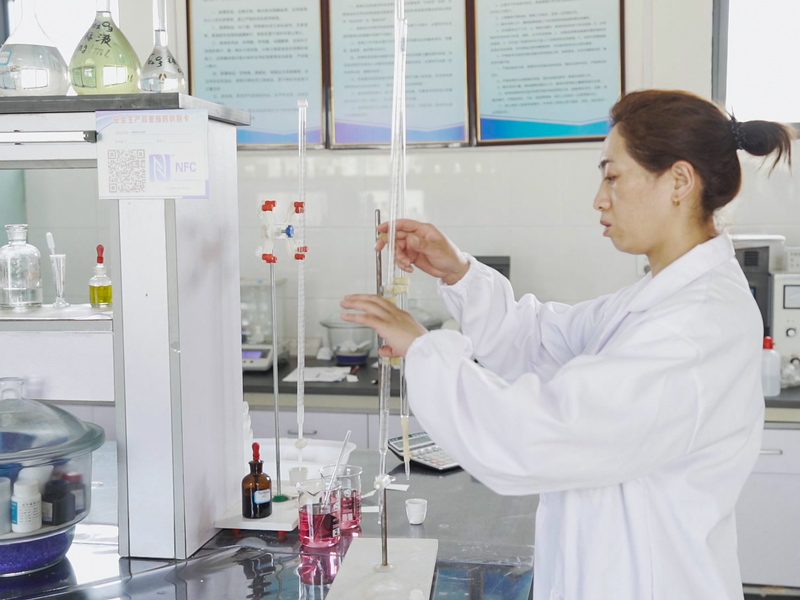
Quality control is maintained throughout raw material selection, batching, forming, firing and final inspection. Chemical composition, bulk density, strength and dimensional accuracy are carefully checked to ensure that ASC bricks meet the required technical specifications and provide reliable performance in demanding applications.
ASC bricks are only one part of a complete refractory lining system. Kerui also supplies High Alumina Bricks, Silicon Carbide Products and other refractory materials for steel, cement and metallurgical applications, making it easier to select compatible materials for different furnace zones.
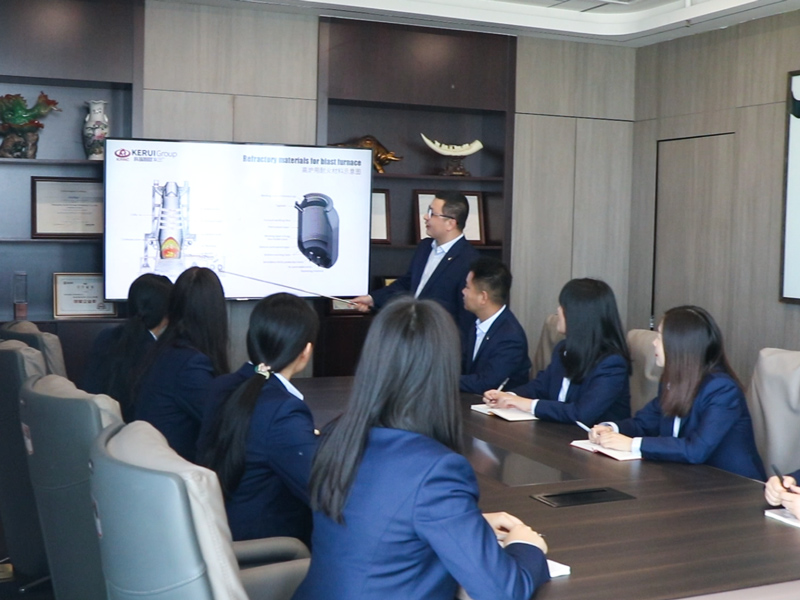
Different furnace areas require different levels of wear resistance, corrosion resistance and thermal shock performance. Kerui provides customized ASC brick sizes, shapes and grades according to operating conditions, while our technical team assists customers with product selection and refractory solutions for specific applications.
FAQ of ASC Bricks
What is ASC Brick?
ASC Brick is an Alumina Silicon Carbide Carbon Brick made from alumina, silicon carbide and carbon materials for severe high-temperature applications.
What is ASC Brick used for?
ASC bricks are mainly used in blast furnace iron runners, hot metal handling equipment, steel ladles and other high-temperature metallurgical applications.
Are carbon-free ASC bricks available?
Yes. Carbon-free and low-carbon alumina silicon carbide bricks are developed for applications requiring reduced carbon transfer, such as clean steel production.
Can Kerui provide customized ASC bricks?
Yes. Carbon-free and low-carbon alumina silicon carbide bricks are developed for applications requiring reduced carbon transfer, such as clean steel production.
Can ASC bricks be customized?
Yes. Kerui can provide customized ASC bricks in different sizes, shapes and grades according to furnace design, application area, operating temperature and service conditions.
How do I choose the right ASC brick grade?
The suitable grade depends on factors such as the application area, temperature, molten metal or slag composition, abrasion level and thermal cycling conditions. Providing these details allows Kerui to recommend a suitable ASC brick grade for your application.


