Vanadium pentoxide (V₂O₅) furnaces operate under highly aggressive conditions, including strong oxidation, chemical corrosion, and high temperatures. As a result, selecting the right refractory materials for each furnace zone is essential to ensure stable operation, longer service life, and lower maintenance costs.
Unlike general industrial furnaces, V₂O₅ furnaces require carefully matched lining materials for different sections. Each zone faces unique thermal and chemical challenges, so a single refractory solution is rarely sufficient.
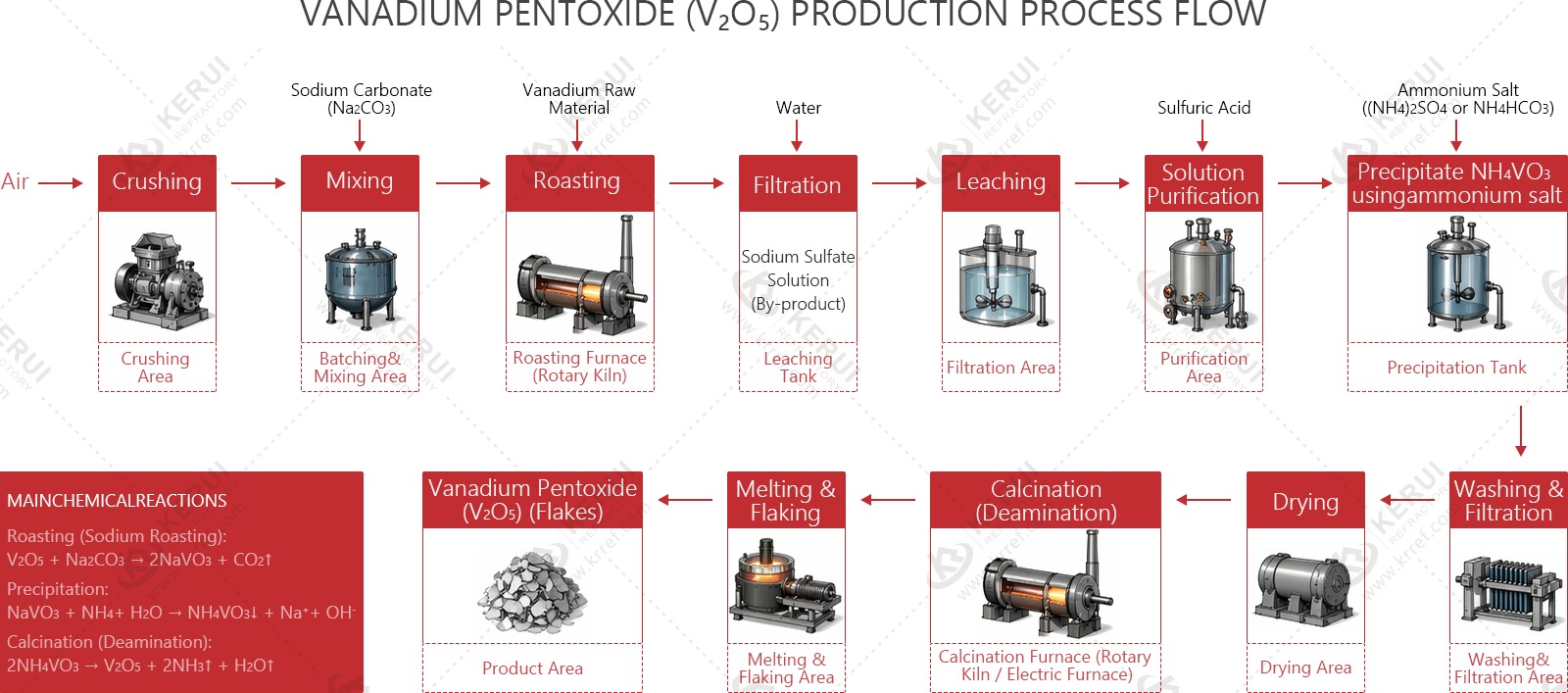
Key Challenges in V₂O₅ Furnaces
Before selecting materials, it is important to understand the main challenges:
- Strong chemical corrosion: V₂O₅ has a low melting point and can penetrate refractory linings.
- Oxidizing atmosphere: High oxygen content accelerates material degradation.
- Thermal stress: Repeated heating and cooling cycles can cause cracking.
Therefore, engineers must select refractory materials based on both temperature and chemical resistance, rather than temperature alone.
Refractory Selection by Furnace Zone
1. Feeding and Preheating Zone
This area operates at relatively lower temperatures but is exposed to corrosive gases and raw materials.
Recommended materials:
These materials provide sufficient thermal resistance while improving energy efficiency. In addition, they help reduce heat loss during the preheating stage.
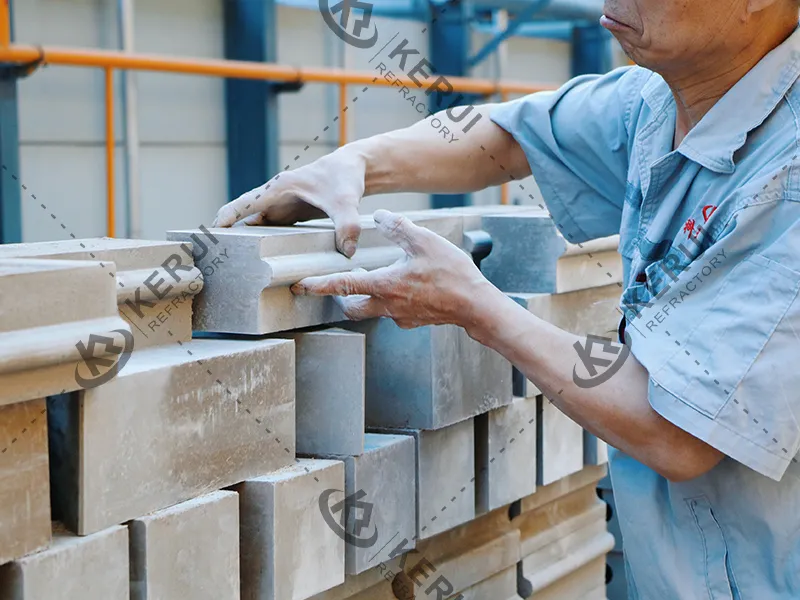
2. Roasting / Reaction Zone (Core Zone)
This is the most critical part of the V₂O₅ furnace, where high temperature and strong chemical reactions occur simultaneously.
Challenges:
- Severe V₂O₅ corrosion
- High thermal load
- Slag penetration
Recommended materials:
- Silicon carbide (SiC) based refractories
- High-purity, dense high alumina materials
- Specialized anti-corrosion castables
These materials offer excellent resistance to chemical attack and maintain structural integrity under extreme conditions. As a result, they significantly extend furnace service life.
3. Slag Contact Zone
Areas in direct contact with molten materials or slag require strong resistance to penetration and erosion.
Recommended materials:
- Dense castables
- High-strength refractory bricks
- Anti-penetration materials
Because slag can rapidly damage weak linings, dense materials are essential to form a protective barrier.
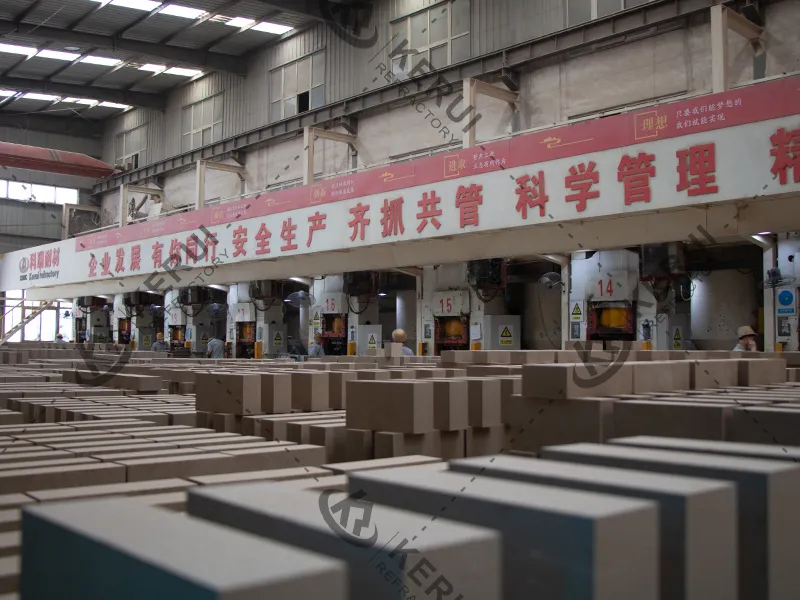
4. Furnace Roof
The furnace roof experiences high temperatures, thermal shock, and exposure to volatile compounds.
Recommended materials:
- Lightweight insulating castables
- Low-iron high alumina castables
- Fiber-based insulation (in some designs)
These materials reduce structural load while maintaining good thermal insulation and resistance to temperature fluctuations.
5. Flue and Exhaust Zone
Although temperatures are lower in this zone, corrosive gases and dust can still affect lining performance.
Recommended materials:
- Acid-resistant castables
- Insulating refractory materials
These materials help resist chemical attack while maintaining efficient heat control.
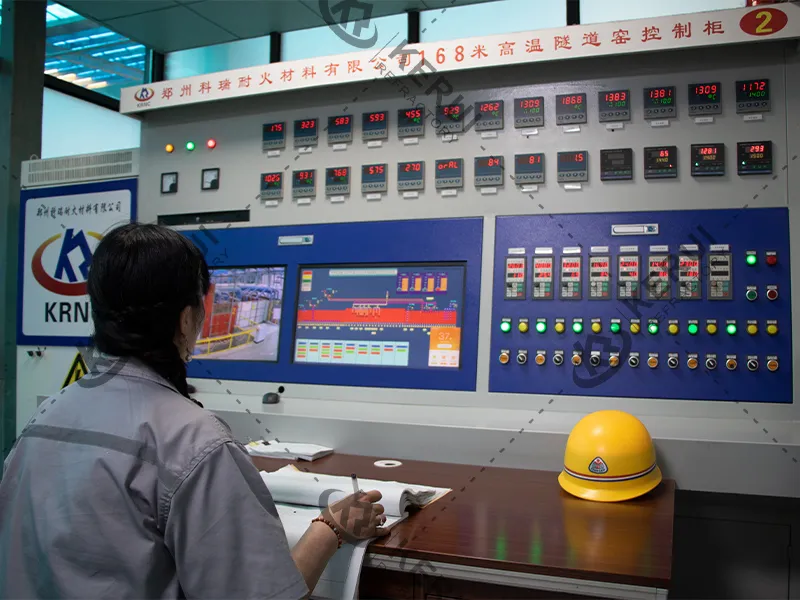
Optimizing Furnace Performance with Layered Design
In most V₂O₅ furnaces, a multi-layer lining structure delivers the best results.
Typical design:
- Hot face: Dense, corrosion-resistant refractory
- Backup layer: Insulating castable
This approach improves:
- Thermal efficiency
- Lining lifespan
- Overall furnace stability
As a result, operators can reduce fuel consumption and maintenance frequency.
Why Proper Material Selection Matters
Choosing refractory materials based on furnace zones allows engineers to balance corrosion resistance, thermal performance, and mechanical strength.
In practice, improper material selection often leads to:
- Premature lining failure
- Increased energy consumption
- Frequent shutdowns
Therefore, a zone-based selection strategy is critical for reliable furnace operation.
Making the Right Choice for Long-Term Furnace Stability
V₂O₅ furnaces require more than just high-temperature-resistant materials. Instead, they demand a carefully designed refractory system tailored to each zone. By selecting the right materials for feeding areas, reaction zones, slag contact regions, and exhaust systems, operators can significantly improve furnace efficiency and durability.
For complex furnace conditions, working with experienced suppliers like Kerui Refractory ensures optimized material selection and long-term performance.


